


Forgetting a name occasionally, misplacing your keys or taking a little longer to remember something can happen to anyone. But when changes in memory and thinking begin to interfere with everyday life, they deserve attention.
Alzheimer’s disease is the most common cause of dementia. It is a progressive brain disorder that gradually affects memory, thinking, behaviour and the ability to manage everyday activities.
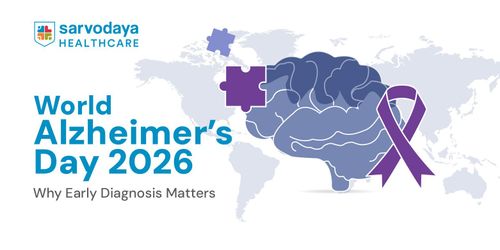
Every year on 21 September, World Alzheimer’s Day raises awareness about Alzheimer’s disease and other forms of dementia. The day is the focal point of World Alzheimer’s Month, which takes place throughout September.
In 2026, the global campaign is highlighting the importance of early diagnosis under the theme, “The Earlier You Know, The More You Can Do: A Dementia Diagnosis Matters.”
But what does Alzheimer’s actually look like in its early stages? How is it diagnosed? And why can knowing earlier make such a difference?
Read More - World Alzheimer’s Day 2025: Theme, Symptoms, Prevention & Treatment
What Is Alzheimer’s Disease?
Alzheimer’s disease is a progressive brain disease that gradually damages brain cells and the connections between them. As the disease advances, it affects the brain’s ability to manage memory, thinking, language, judgement and everyday activities.
The brain contains billions of nerve cells that constantly communicate with one another. These connections allow us to learn new information, remember experiences, find words, make decisions and carry out familiar tasks.
In Alzheimer’s disease, abnormal changes develop in the brain. Two of the best-known changes involve amyloid plaques, which build up around brain cells, and tau tangles, which form inside them. These changes interfere with communication between brain cells and eventually contribute to their damage and death.
This process usually develops gradually, often beginning years before noticeable symptoms appear. Early in the disease, the areas involved in forming new memories can be affected, which is why difficulty remembering recently learned information is often an early sign.
As more areas of the brain become affected, Alzheimer’s can gradually interfere with language, problem-solving, judgement, behaviour and the ability to manage everyday activities.
In simple terms, Alzheimer’s is a disease that progressively changes how the brain works. Memory problems may be where it begins, but the disease can eventually affect many aspects of a person’s thinking and daily life.
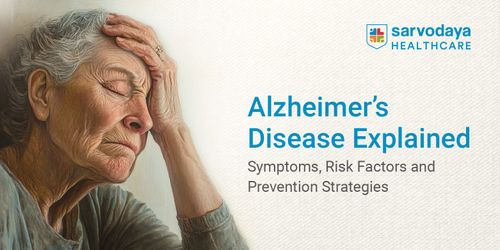
Read More - Alzheimer’s Disease Explained: Symptoms, Risk Factors and Prevention Strategies
Is Alzheimer’s the Same as Dementia?
Not exactly.
Dementia is a broad term used to describe problems with memory, thinking or other cognitive abilities that become severe enough to interfere with everyday life. Alzheimer’s disease is one specific disease that can cause dementia.
In fact, Alzheimer’s is the most common cause of dementia. Other diseases can also cause dementia, including vascular dementia, Lewy body dementia and frontotemporal dementia.
This distinction matters because dementia describes what is happening to a person’s thinking and functioning, while Alzheimer’s describes one of the diseases that can cause those changes.
It also explains why every memory problem should not automatically be labelled Alzheimer’s. Memory and thinking can change for many other reasons, some of which may be treatable.
Is Forgetfulness a Normal Part of Ageing?
Some changes in memory can occur with normal ageing. You may occasionally forget a name, misplace an object or need more time to recall a word.
The concern is when these changes become persistent, progressively worse or disruptive to everyday life.
For example, repeatedly forgetting recently learned information, asking the same questions several times or struggling with familiar tasks may be more concerning than an occasional memory lapse.
The question is not simply, “Did I forget something?” It is “Is this change beginning to affect how I function?”
Read More - Dementia and Alzheimer's Disease: A Comprehensive Guide to Early Signs, Causes, and Care
What Are the Early Signs of Alzheimer’s Disease?
Difficulty remembering newly learned information is often one of the earliest symptoms of Alzheimer’s disease. However, the condition can affect several areas of thinking and behaviour.
Some warning signs include:
- Repeating questions or conversations
- Forgetting recent events or appointments
- Difficulty finding the right words
- Trouble planning or solving problems
- Difficulty completing familiar tasks
- Misplacing things and being unable to retrace steps
- Becoming confused about time or familiar places
- Changes in judgement or decision-making
- Withdrawing from work or social activities
- Changes in mood or personality
These signs do not confirm Alzheimer’s disease. Other medical conditions, medicines and nutritional deficiencies can also cause memory and thinking problems.
When Should You See a Doctor About Memory Loss?
Consider a medical evaluation when memory or thinking changes are persistent, worsening or beginning to interfere with daily activities.
It is also worth paying attention when family members notice changes that the person may not recognise themselves. A close family member can sometimes provide important information about when the symptoms began and how they have changed.
Getting evaluated does not mean assuming the worst. It means finding out what is causing the change.
A doctor may identify another condition that can be treated, or determine whether further evaluation for dementia is needed.
How Is Alzheimer’s Disease Diagnosed?
There is no single test that can diagnose Alzheimer’s disease in every person.
The evaluation usually begins with a detailed discussion of symptoms, medical history and medicines. Doctors may also speak with a family member or close friend to understand changes in behaviour and everyday functioning.
Depending on the individual, the evaluation may include:
Cognitive testing: Assesses memory, attention, language, reasoning and other thinking abilities.
Neurological examination: Helps assess functions such as movement, coordination, reflexes and balance.
Blood tests: Can help identify other causes of memory or thinking problems, such as thyroid problems or certain vitamin deficiencies.
Brain imaging: MRI or CT scans can help identify strokes, tumours and other structural changes that may cause similar symptoms.
Biomarker tests: Newer tests can detect proteins associated with Alzheimer’s disease. Blood-based biomarkers are increasingly entering clinical care, although they are currently intended for people with symptoms being evaluated rather than general screening of people without symptoms.
The combination of these assessments helps doctors determine the most likely cause of a person's symptoms.
Why Does Early Diagnosis Matter?
A diagnosis can be difficult to hear. But knowing what is happening can also replace uncertainty with a clearer path forward.
Earlier diagnosis can give patients and families more time to understand the condition, discuss treatment options and plan future care. It can also provide access to support services and, for eligible patients, opportunities to participate in clinical trials.
This is especially relevant in 2026 because Alzheimer’s diagnosis and treatment are changing.
Newer diagnostic tools, including blood-based biomarkers, are helping doctors identify Alzheimer’s-related changes more accurately in people who are experiencing symptoms. Research is also exploring how these tools might support earlier detection in the future.
Knowing earlier does not mean knowing everything. It means having more information with which to make decisions.
What Causes Alzheimer’s Disease?
The exact cause of Alzheimer’s disease is not fully understood. Researchers believe that it develops through a combination of age, genetics and other health and environmental factors.
Age is the strongest known risk factor. Family history and certain genetic factors can also increase risk, although most cases are not caused by a single inherited gene.
Several factors linked to cardiovascular and overall brain health may also influence the risk of cognitive decline. These include physical inactivity, smoking, high blood pressure, diabetes and other health conditions.
Having a risk factor does not mean that a person will develop Alzheimer’s disease.
Can Alzheimer’s Risk Be Reduced?
There is no guaranteed way to prevent Alzheimer’s disease. However, protecting brain and cardiovascular health may help reduce the risk of cognitive decline and dementia.
Regular physical activity, not smoking, maintaining a healthy diet, managing blood pressure and diabetes, staying socially connected and keeping the brain engaged are among the measures associated with better brain health.
The WHO has highlighted several modifiable risk factors for dementia, reinforcing the importance of prevention and risk reduction throughout life.
The goal is not to promise that healthy habits can prevent Alzheimer’s. It is to recognise that some factors affecting brain health are within our control.
How Is Alzheimer’s Disease Treated?
There is currently no cure for Alzheimer’s disease, but treatment can help manage symptoms and support quality of life.
Medicines such as cholinesterase inhibitors and memantine may help manage cognitive symptoms in appropriate patients. Newer anti-amyloid medicines, including lecanemab and donanemab, can modestly slow cognitive and functional decline in some people with early Alzheimer’s disease.
These treatments are not suitable for everyone. They require careful assessment, and some involve monitoring for potentially serious side effects.
Treatment also extends beyond medicines. Physical activity, cognitive and social engagement, management of other health conditions and caregiver support can all be important parts of comprehensive care.
Can Alzheimer’s Affect Younger People?
Yes. Although most people with Alzheimer’s are older adults, younger-onset Alzheimer’s disease can occur before the age of 65.
Because memory problems in younger people may have many possible causes, diagnosis can sometimes be more challenging. Persistent changes in memory, thinking, behaviour or work performance should therefore not simply be dismissed because someone is relatively young.
How Can Families Support Someone With Alzheimer’s?
Supporting a person with Alzheimer’s involves more than helping them remember things.
Families can make daily life easier by maintaining familiar routines, communicating clearly and calmly, helping with appointments and medicines, and creating a safe environment.
It is equally important to involve the person in decisions about their care for as long as possible. A diagnosis may change what a person needs, but it does not change their need for dignity, independence and meaningful relationships.
Caregivers also need support. Sharing responsibilities, taking regular breaks and seeking professional guidance can make long-term caregiving more manageable.
World Alzheimer’s Day 2026: Why Earlier Diagnosis Matters
Alzheimer’s disease can raise difficult questions for patients and families. But avoiding those questions does not make the underlying problem easier to understand.
Earlier evaluation can help distinguish normal ageing from concerning changes, identify other possible causes and, when appropriate, lead to an Alzheimer’s diagnosis.
That diagnosis can then open the door to treatment, support, planning and informed decisions about the future.
This World Alzheimer’s Day, the message is simple:
Do not ignore a meaningful change in memory. Do not assume every memory lapse is Alzheimer’s. And do not let fear prevent you from seeking an evaluation.
Understanding what is happening is the first step towards knowing what can be done.