
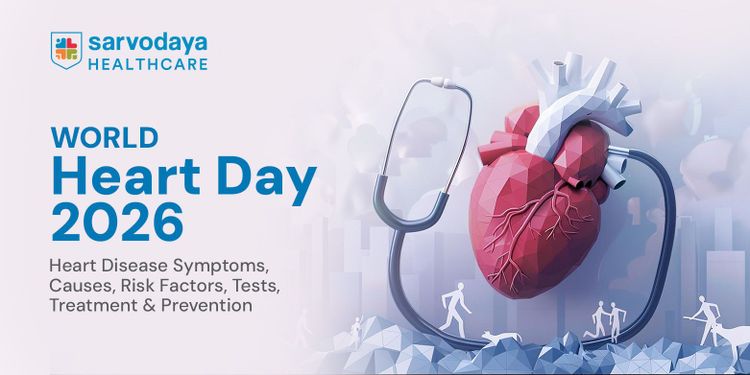


Heart disease does not always announce itself with the symptoms we expect. The World Heart Federation states that 1 in 3 people are killed by heart disease, while 50% of babies born with congenital heart disease are not diagnosed at birth.
These figures challenge a common assumption that heart problems are easy to recognise. Many people associate a heart condition with severe chest pain, pain spreading to the left arm, or discomfort in the shoulder and back. However, heart disease symptoms can vary depending on the condition and may sometimes be less obvious.
Warning signs can include shortness of breath, unusual fatigue, dizziness, nausea, palpitations, or discomfort in the back, neck or jaw. Some people may even have no noticeable symptoms until the condition becomes more serious.
This is why recognising the less obvious signs of heart disease matters. In 2026, the World Heart Federation continues its “Don’t Miss a Beat” campaign, highlighting the importance of recognising the signs and symptoms of cardiovascular disease.
World Heart Day, observed on 29 September, is therefore more than a reminder to “take care of your heart.” It is an opportunity to understand heart disease symptoms, risk factors, diagnosis and prevention, and to know when a change in your health deserves medical attention.
What Is the Difference Between Cardiovascular Disease and Heart Disease?
The terms cardiovascular disease and heart disease are often used interchangeably. But they do not mean exactly the same thing.
- Cardio means heart.
- Vascular means blood vessels, the pipes that carry blood through the body.
When you hear the term cardiovascular disease (CVD), it means a medical problem affecting the heart or blood vessels. So, the problem may involve the heart itself or blood vessels carrying blood to other parts of the body. This includes conditions affecting blood vessels in the legs, brain, or the arteries supplying the heart.
Similarly, heart disease refers specifically to conditions that affect the heart's structure or function. A person can have heart disease even when the major blood vessels supplying the heart are not blocked.
So, if the heart beats too fast or too slow, or the valves inside the heart do not open or close properly, it will be considered a heart condition.
A person can have cardiovascular disease without having a disease primarily affecting the heart.
This simply means your blood vessels can be sick while your heart organ is healthy.
How Does the Heart Actually Work? A Simple Guide
The heart has two sides, right and left, with four chambers that work together to keep blood moving through your body.
The right side of the heart receives blood that is low in oxygen and sends it to the lungs. In the lungs, the blood picks up fresh oxygen from the air you breathe and releases carbon dioxide.
Now that the blood is oxygen-rich, it returns to the left side of the heart. The left side pumps it to the brain, organs and muscles, where the oxygen helps them function.
Once the blood delivers its oxygen to the body, it returns to the right side of the heart, and the cycle begins again.
For this continuous cycle to work, three important systems work together:
- Valves: They open and close with each heartbeat, keeping blood moving in the right direction.
- Electrical system: It sends signals that tell the heart when to beat and helps keep its rhythm steady.
- Coronary arteries: They supply the heart muscle itself with the blood and oxygen it needs to keep pumping.
Every heartbeat keeps this cycle moving, supplying the body with what it needs to function.
What Are the Different Types of Heart Disease?
Heart disease is not one single condition. It is a broad term for problems that can affect the heart’s blood supply, electrical rhythm, valves, muscle, structure or ability to pump blood.
Some of the major causes of heart disease include:
Coronary Artery Disease
Coronary artery disease (CAD) is the most common type of heart disease.
Your heart needs its own supply of oxygen-rich blood to keep beating. The coronary arteries deliver this blood to the heart muscle. When plaque builds up inside these arteries, they can narrow or become blocked, reducing blood flow to the heart muscle. If the blockage becomes severe, it can even result in a heart attack.
Arrhythmia
Your heart does not beat simply because the muscle decides to contract. It has its own electrical system that tells the heart when to beat. In a healthy heart, this electrical signal usually produces 60 to 100 beats per minute at rest. When the electrical signals become irregular, the heart may beat too fast, too slowly or unevenly.
Heart Valve Disease
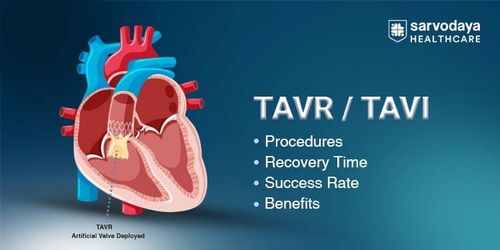
Your heart has four valves that open and close with every heartbeat. They act like one-way doors, allowing blood to move forward and preventing it from flowing backwards. If a valve becomes too narrow, it can restrict blood flow. If it does not close properly, blood can leak backwards.
Cardiomyopathy
This condition affects the heart muscle itself. The muscle may become too thick, stretched or stiff. As a result, the heart may have difficulty relaxing, filling with blood or pumping it effectively.
Congenital Heart Disease
Congenital heart disease refers to structural problems that develop while the baby's heart is forming during pregnancy. For example, a baby may be born with a hole between two chambers of the heart or an abnormal heart valve.
Heart Failure
Heart failure does not mean that the heart has stopped working.
It means the heart cannot pump or fill with blood well enough to meet the body's needs. Heart failure can develop when other conditions, such as coronary artery disease, high blood pressure or cardiomyopathy, damage the heart over time.
Heart Attack Symptoms: When Should You Treat It as an Emergency?
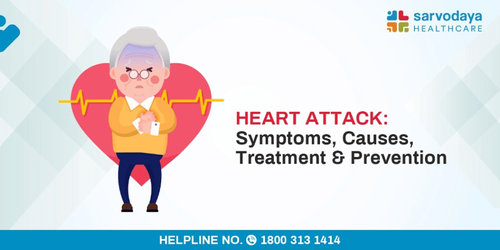
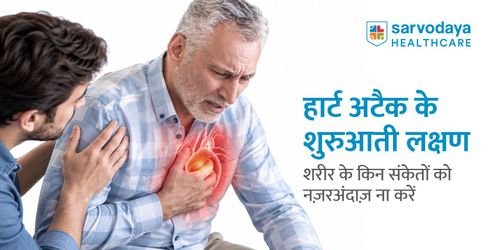
A heart attack happens when blood flow to part of the heart muscle is suddenly reduced or blocked. Without enough oxygen, the heart muscle begins to suffer damage, which is why a heart attack needs emergency treatment.
The most common warning sign is chest discomfort. It may feel like pressure, squeezing, tightness, heaviness or aching rather than a sharp pain.
The discomfort may also spread beyond the chest. You may feel pain or pressure in the shoulder, arm, back, neck, jaw or upper abdomen. Other symptoms can include:
- Shortness of breath
- Cold sweat
- Nausea or vomiting
- Light-headedness or sudden dizziness
- Unusual fatigue or weakness
These symptoms do not always arrive together, and a heart attack does not always begin with dramatic chest pain. Some people have milder symptoms, while others may have symptoms that seem unrelated to the heart.
Heart Attack Symptoms Can Look Different in Women
Chest pain or discomfort is still the most common heart attack symptom in women. However, women are more likely to experience additional symptoms such as unusual fatigue, nausea, shortness of breath, dizziness, or discomfort in the back, neck or jaw. Sometimes, these symptoms can occur without obvious chest pain.
Can Heart Disease Have No Symptoms?
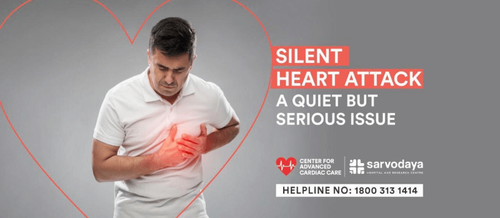
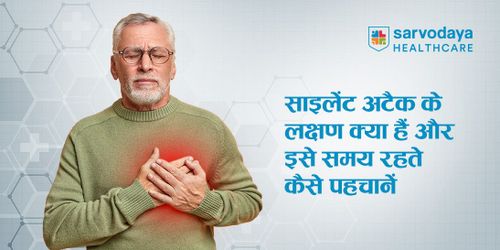
Yes, heart disease can sometimes develop without noticeable symptoms. This is often called “silent” heart disease.
Plaque can build up in the arteries gradually, while reduced blood flow to the heart may occur without causing chest discomfort. People with diabetes may also have nerve damage that makes it harder to feel pain.
In some cases, the first sign may be a serious event such as a heart attack. Regular checks of blood pressure, cholesterol and blood sugar can help identify hidden risks early, especially in people with risk factors.
What Causes Heart Disease? It Is More Than Cholesterol
Heart disease can develop through a combination of lifestyle, medical, genetic and environmental factors. Some risk factors can be changed, while others cannot.
Risk Factors You Can Change
- Smoking and tobacco
- High blood pressure
- High cholesterol
- Diabetes
- Physical inactivity
- Unhealthy diet
- Overweight and obesity
- Harmful alcohol use
These factors can affect blood vessels, blood pressure, cholesterol levels and the heart over time, increasing the risk of cardiovascular disease.
Risk Factors You Cannot Change
- Age
- Family history
- Genetics
- Sex
- Previous cardiovascular disease
These factors cannot be changed, but knowing them can help you understand your overall heart disease risk.
Can Air Pollution Affect Your Heart?
Heart health can also be affected by factors outside our personal habits. Air pollution is recognised by the WHO as an environmental risk factor for cardiovascular disease.
Understanding these risk factors can help you identify what you can change and where regular heart health checks may be important.
Can Young People Have Heart Disease?
Yes. In fact, congenital heart disease affects approximately 1.4–2.3% of children born globally. Many heart conditions are present from birth, while others develop during childhood or later.
These heart conditions can range from simple defects that need little treatment to complex conditions requiring lifelong care. Other childhood-onset heart conditions can affect the heart muscle, valves or electrical system.
This is why symptoms such as unusual breathlessness, fainting, chest discomfort, palpitations or poor exercise tolerance in a child or young person should not be dismissed as tiredness or being unfit.
Why Do Blood Pressure, Cholesterol and Diabetes Matter to Your Heart?
Some heart disease risk factors are easy to notice, while others may quietly affect your health for years. High blood pressure, high LDL cholesterol and diabetes are three important examples.
High blood pressure forces the heart to work harder to pump blood and can damage blood vessels over time.
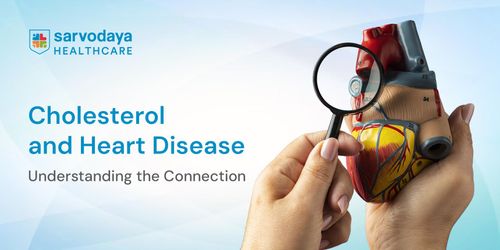
High LDL cholesterol can contribute to plaque buildup inside the arteries, gradually narrowing them and affecting blood flow.
Diabetes and high blood sugar can damage blood vessels and increase the risk of cardiovascular disease.
Together, they can significantly affect your cardiovascular risk, making regular checks and timely management an important part of heart health.
What Tests Check Your Heart Health?
Doctors choose heart tests based on your symptoms, medical history and what they need to investigate. Different tests look at different aspects of heart health, from its electrical activity to its structure and blood flow.
ECG (Electrocardiogram): Records the heart's electrical activity and can help detect abnormal rhythms and other changes in the heartbeat.
Echocardiogram: Uses sound waves to create images of the heart and assess its structure, valves and pumping function.
Holter Monitoring: Records the heart's rhythm continuously, usually for 24 hours or longer, to detect irregularities that may not appear during a short ECG.
Stress Test: Monitors how the heart responds to physical activity and can help identify problems that become apparent when the heart works harder.
Coronary CT Angiography: Uses CT imaging to look for narrowing or blockages in the coronary arteries.
Cardiac MRI: Produces detailed images of the heart muscle and structures, helping doctors assess conditions affecting the heart's structure and function.
Coronary Angiography: Uses X-ray imaging and contrast dye to examine blood flow through the coronary arteries and identify blockages.
No single test can assess everything. Your doctor may recommend one or more tests depending on what your symptoms and initial evaluation suggest.
Why Choose Sarvodaya for Heart Care?
When it comes to heart health, timely diagnosis and access to comprehensive cardiac care can make an important difference. Sarvodaya Hospital brings together experienced cardiologists, advanced diagnostics and specialised cardiac care under one roof.
- Experienced cardiac specialists: Patients can access experienced cardiologists and cardiac specialists for evaluation, diagnosis and treatment of a wide range of heart conditions.
- Comprehensive heart care: From preventive heart checks and diagnostic testing to medical and interventional care, patients can receive coordinated cardiac services based on their needs.
- Advanced cardiac diagnostics: ECG, echocardiography, Holter monitoring, stress testing and other specialised investigations help doctors evaluate different aspects of heart health.
- Cardiac care for emergencies: Timely evaluation and treatment are important during cardiac emergencies, with specialised teams and hospital-based care available when needed.
With its established healthcare presence, Sarvodaya Hospital is a trusted choice for patients looking for a heart hospital in Faridabad and Delhi NCR, along with access to experienced heart doctors in Faridabad and Delhi NCR.