

Hearing loss can significantly affect communication, social interaction and overall quality of life. Advances in medical technology have made cochlear implants a reliable option for individuals with severe to profound hearing impairment, helping them reconnect with sounds and spoken language in daily life.
In this blog, we explain cochlear implants in a clear, patient-friendly manner, covering their types, treatment stages, associated risks, and recovery process.
Understanding Cochlear Implants
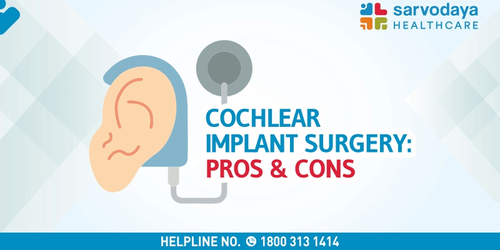
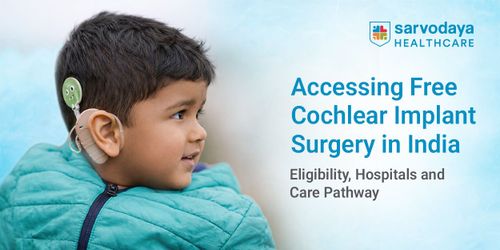
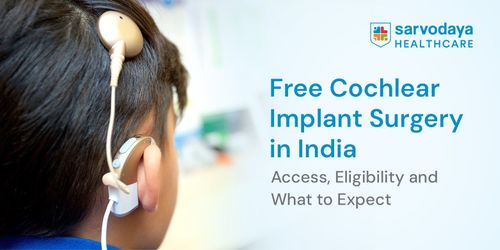
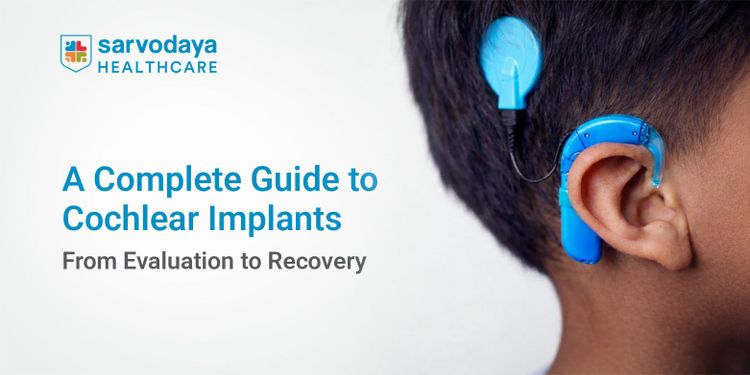
Cochlear implants are advanced medical devices designed to help individuals with severe to profound hearing loss who do not benefit adequately from conventional hearing aids. Unlike external devices that amplify sound, cochlear implants bypass damaged portions of the inner ear and directly stimulate the auditory nerve, allowing sound signals to be transmitted to the brain more effectively.
The treatment involves cochlear implant surgery, where an internal device is surgically placed beneath the skin behind the ear, with electrodes positioned inside the cochlea.
Read More- Cochlear Implant Surgery - Procedure & Recovery
Types of Cochlear and Hearing Implants
A thorough clinical assessment helps specialists determine the most appropriate option from the available types of hearing implants, ensuring safe surgery and effective long-term outcomes.
- Cochlear Implants: These are recommended for individuals with severe-to-profound sensorineural hearing loss. They convert sound into electrical signals that directly stimulate the auditory nerve, making them one of the most widely used advanced hearing solutions.
- Hybrid Cochlear Implants: Designed for patients who retain some low-frequency hearing, these devices combine acoustic amplification with electrical stimulation for improved sound clarity.
- Bone-Anchored Hearing Systems: These implants transmit sound vibrations directly through the skull bone and are often suitable for conductive or mixed hearing loss.
- Middle Ear Implants: These devices mechanically stimulate the middle ear structures and may be used when traditional hearing aid implants are unsuitable or poorly tolerated.
Cochlear Implants Referral Criteria
Cochlear implants are generally recommended for adults and children with severe to profound hearing loss who do not experience sufficient benefit from conventional hearing aids. Candidates typically include individuals with damaged inner ear structures but a functioning auditory nerve, allowing sound signals to be transmitted effectively to the brain.
Eligibility is confirmed through detailed hearing tests, imaging studies and medical evaluation by an experienced ENT specialist in Faridabad.
Stages of Cochlear Implant Treatment
Each stage is carefully planned and supervised by an experienced ENT and audiology team to achieve the best possible outcomes.
- Pre-Surgical Evaluation: This includes detailed hearing tests, imaging studies and medical assessments to confirm candidacy and select the most suitable implant type.
- Surgical Implantation: During cochlear implant surgery, the internal device is placed under general anaesthesia. The surgery is routinely performed at a specialised ENT hospital in Delhi NCR, with strict safety protocols in place.
- Device Activation and Mapping: A few weeks after surgery, the external processor is activated and programmed to suit the patient’s hearing needs.
- Rehabilitation and Follow-Up: Ongoing speech therapy, auditory training and regular follow-ups with an ENT doctor in Delhi NCR are essential for maximising hearing outcomes.
Understanding the Surgical Procedure
Cochlear implantation is a well-established, safe surgery when performed by trained specialists. Often referred to as cochlear transplant surgery, it typically takes a few hours and involves placing the implant behind the ear with minimal disruption to surrounding structures.
Surgery performed under the supervision of an experienced ENT specialist in Delhi NCR helps minimise complications and supports smooth recovery, allowing patients to progress confidently to the rehabilitation phase.
Risks and Possible Complications
Cochlear implantation is considered a safe and routine surgery, especially when performed in a specialised centre by experienced surgeons. However, as with any surgical intervention, certain risks may be associated and should be clearly understood before proceeding.
- Surgical Risks: These may include infection, bleeding or temporary dizziness following cochlear implant surgery, though such complications are uncommon.
- Device-Related Concerns: Rarely, implant malfunction or the need for revision surgery may occur.
- Nerve-Related Effects: Temporary facial nerve weakness or altered taste sensation can occur but usually resolves with time.
Recovery and Rehabilitation After Surgery
Recovery following cochlear implantation is usually smooth, with most patients resuming routine activities within a few days. Long-term success depends on structured rehabilitation, including auditory training and speech therapy.
Regular follow-ups with an ENT doctor in Noida help monitor progress, adjust implant settings and support gradual improvement in hearing ability over time.
Cost Considerations for Cochlear Implants
The financial aspects of cochlear implantation are important considerations for patients and families planning treatment. The overall cochlear implant cost can vary depending on the type of implant used, hospital infrastructure, surgeon expertise and the extent of rehabilitation required after surgery. A clear understanding of expenses helps patients prepare for both surgical and long-term care needs.
In general, the cost of cochlear implant includes pre-operative assessments, the implant device, hospital stay, cochlear implant surgery, activation and follow-up therapy. The cochlear implant cost in India is comparatively affordable compared to many Western countries, while maintaining high medical standards.
Read More- Free Cochlear Implant Surgery in India
Conclusion
Cochlear implants have transformed the management of severe hearing loss, enabling individuals to regain sound perception and improve communication.
Sarvodaya Hospital, Faridabad, provides comprehensive cochlear implant care through a multidisciplinary team of ENT surgeons, audiologists and rehabilitation specialists. Early consultation and preventive hearing assessments allow timely diagnosis, personalised treatment planning and improved outcomes, ensuring patients receive care aligned with international standards.
If you or your loved one is considering advanced hearing solutions, consult a qualified specialist and book an appointment now to explore suitable treatment options with confidence.