


Brain tumours and other intracranial conditions require precise and carefully planned treatment to ensure both safety and effectiveness. Today, brain radiation therapy is widely used to manage a range of benign and malignant brain tumours with reliable clinical outcomes.
In this blog, we explain how radiation-based treatment works for brain conditions, outline its benefits and potential effects, and describe what patients can expect before, during, and after therapy.
Understanding Brain Radiation Therapy
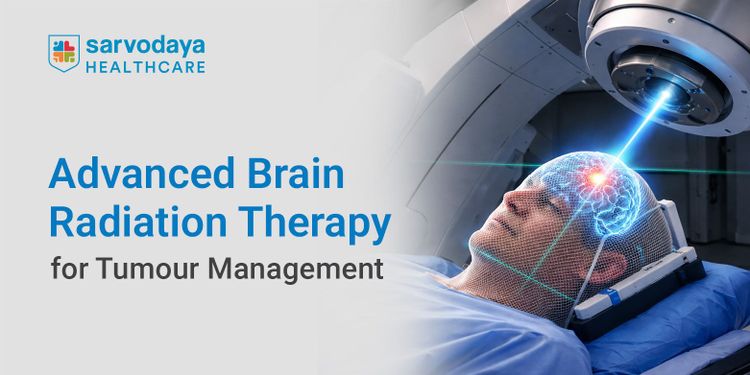
Brain radiation therapy refers to the use of controlled high-energy radiation to destroy cancer cells or prevent their growth within the brain. It is commonly recommended for patients with primary brain tumours, secondary metastatic lesions, or tumours that cannot be completely removed through surgery. By shrinking or stabilising tumours, this therapy helps relieve symptoms and supports long-term disease control.
Treatment planning is highly individualised and relies on detailed imaging, such as MRI and CT scans, to accurately map the tumour. This approach ensures that radiation treatment for brain tumours is delivered with precision, limiting exposure to normal brain tissue. Care is overseen by a specialist team, often led by an experienced radiation oncologist in Delhi NCR, ensuring treatment accuracy and patient safety throughout the process.
Conditions Treated with Brain Radiation Therapy
Brain radiation therapy is used to treat a wide range of brain-related conditions, particularly when tumours are located in areas that are difficult to access surgically. It is commonly recommended for primary brain tumours that originate within the brain, as well as secondary or metastatic tumours that have spread from other parts of the body.
This treatment may be used alone or in combination with surgery and chemotherapy, depending on the tumour type, size, and location. Brain cancer radiation therapy is also considered when residual tumour cells remain after surgery or when surgery is not a safe option.
Read More- Radiation Therapy an Evolving Cancer Treatment
Types of Brain Radiation Therapy
Several advanced techniques are available to deliver brain radiation therapy safely and accurately. The choice of method depends on the diagnosis, tumour size, and the patient’s overall health.
Common radiation therapy for brain tumour management includes the following:
- External Beam Radiation Therapy: It delivers radiation from outside the body over multiple sessions.
- Stereotactic Radiosurgery: A highly focused technique that targets small tumours with precision.
- Fractionated Stereotactic Radiotherapy: Radiation is delivered in smaller doses over several sessions.
- Whole Brain Radiation Therapy: Often used when multiple metastatic tumours are present.
Preparation Before Brain Radiation Therapy
Before therapy begins, a multidisciplinary medical team evaluates the patient’s condition and designs a personalised radiation plan.
Key steps involved in preparation include the following:
- Detailed imaging tests, such as MRI or CT scans, are used to accurately map the tumour.
- Simulation sessions to determine the correct treatment position
- Creation of a custom immobilisation mask to keep the head still during therapy
- Dosage planning to protect healthy brain tissue
- Consultation with a specialist, such as a radiation oncologist in Noida
Benefits of Brain Radiation Therapy
Modern brain radiation therapy offers several clinical benefits, particularly when delivered using advanced technology and precise planning.
The key benefits of radiation therapy for brain tumour care include the following:
- Effective control or reduction of tumour size
- Relief from symptoms such as headaches, seizures, or pressure effects
- High precision targeting that minimises damage to surrounding brain tissue
- Compatibility with surgery and chemotherapy as part of comprehensive brain cancer radiation therapy
- Improved treatment outcomes when delivered at a specialised centre
Brain Radiation Therapy Side Effects
While brain radiation therapy is designed to target tumour cells precisely, some patients may experience side effects depending on the treatment area, dose, and duration.
Common brain radiation therapy side effects and side effects of radiation to the brain may include the following:
- Fatigue that may increase gradually during the course of treatment
- Temporary hair loss in the treated area
- Skin irritation or dryness over the scalp
- Headaches or a feeling of pressure in the head
- Short-term memory or concentration changes in some patients
Recovery and Follow-Up Care After Brain Radiation Therapy
Most patients are encouraged to resume daily activities gradually while attending regular follow-up appointments.
Post-treatment care usually includes the following:
- Scheduled follow-up visits with the oncology team
- Imaging tests to assess tumour response after radiation treatment for brain tumours
- Management of lingering or delayed brain radiation therapy side effects
- Supportive care to aid neurological recovery and overall well-being
- Guidance from a specialist, such as a radiation oncologist in Faridabad, is necessary to ensure long-term monitoring.
Choosing the Right Cancer Care Centre for Brain Radiation Therapy
Access to advanced technology, experienced specialists, and coordinated care significantly influences treatment accuracy and patient outcomes.
When choosing a centre for radiation therapy for brain tumour care, patients should consider the following factors:
- Availability of advanced radiation planning and delivery systems
- Expertise of a dedicated radiation oncology team
- Access to experienced specialists, such as a radiation oncologist in Delhi NCR
- Comprehensive support services, including imaging, rehabilitation, and follow-up care
- Recognition as a trusted and patient-focused medical facility
Conclusion
With careful planning and expert supervision, radiation treatment for brain tumours supports symptom relief, disease control, and improved quality of life for many patients.
Sarvodaya Hospital, Faridabad, the best cancer hospital in India, is recognised for delivering comprehensive radiation therapy for brain cancer using advanced technology and experienced specialists. Preventive consultations, early diagnosis, and personalised treatment planning allow patients to make informed decisions while reducing the risk of complications and disease progression.
Patients are encouraged to prioritise early consultation and book an appointment now to receive accurate guidance, compassionate support, and advanced treatment under one roof.