
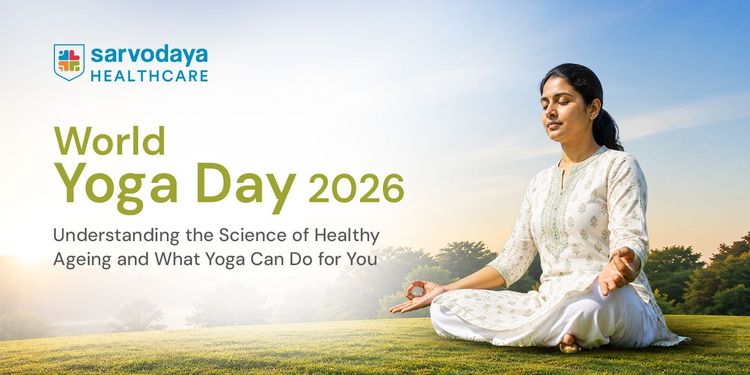


Every year on June 21st, millions of people around the world pause, breathe, and move together in the spirit of collective well-being. International Yoga Day, commemorated annually on the summer solstice, is a United Nations-recognised global event that brings together people of all ages, backgrounds, and abilities to celebrate yoga's significant benefits. As the globe commemorates International Yoga Day 2026, the focus shifts to a goal that is particularly pertinent to our times: good ageing.
In this blog, we explore the history and significance of the International Day of Yoga and how individuals across the Delhi NCR region can make yoga a meaningful part of their long-term health journey.
Understanding the International Day of Yoga
The United Nations General Assembly formally established the International Yoga Day date on June 21st of each year in December 2014, following a proposal by Indian Prime Minister Narendra Modi. The date was chosen because June 21 is the summer solstice, the longest day of the year in the Northern Hemisphere, and a date of spiritual and cultural importance in many ancient traditions.
Since its inception in 2015, World Yoga Day has evolved into a genuinely worldwide movement, with over 190 nations taking part in events ranging from mass yoga sessions to community seminars and public wellness exhibitions.
International Yoga Day 2026: Theme and Its Significance
India's Ministry of Ayush has announced that the subject for International Yoga Day 2026 will be "Yoga for Healthy Ageing." This year's theme reflects a growing global concern: as people age, the difficulty of maintaining physical mobility, cognitive function, emotional stability, and general quality of life becomes more critical.
Yoga Day 2026 encourages individuals, healthcare providers, and communities to see yoga as a clinically relevant exercise that promotes lifespan. Research consistently reveals that regular yoga practice improves balance, flexibility, bone density, cardiovascular health, and mental clarity, all of which are more vulnerable as we age.
The Health Benefits of Yoga Across Age Groups
Unlike many forms of exercise, yoga can be modified to suit all fitness levels and age groups, making it an ideal long-term practice.
Some of the key health benefits of yoga include:
- Musculoskeletal Health: Yoga improves joint flexibility, builds muscle strength, and supports spinal alignment, reducing the risk of chronic back pain and arthritis-related complications.
- Cardiovascular Support: Pranayama and gentle yoga sequences help lower blood pressure, reduce stress hormones, and improve overall circulation.
- Mental Well-being: Consistent practice of yoga and mindfulness reduces symptoms of anxiety, depression, and chronic stress, supporting emotional resilience over time.
- Cognitive Function: Studies have shown that yoga can enhance focus, memory, and mental clarity, which becomes especially valuable with advancing age.
Yoga and Physical Rehabilitation: A Clinical Perspective
Yoga is becoming more widely recognised in the medical community as a valuable tool for physical rehabilitation. A professional physiotherapist in Noida may suggest specific yoga-inspired activities as part of a tailored recovery regimen. These exercises assist in restoring range of motion, gradually increase strength, and improve neuromuscular coordination without putting too much strain on healing tissues.
For individuals seeking complete care, the best physiotherapy in Delhi NCR blends traditional physiotherapy techniques with alternative therapies, ensuring patients receive customised, multidisciplinary support for both physical and functional recovery.
Yoga in Daily Life: Practical Steps to Begin Your Practice
Incorporating yoga into daily life does not require elaborate equipment, a studio membership, or prior experience.
The following steps can help you establish a sustainable practice:
- Start with Breathing: Pranayama, or controlled breathing exercises, is the simplest entry point into yoga. Even ten minutes of focused breathing daily can reduce stress and support lung function.
- Follow Guided Protocols: The Common Yoga Protocol promoted by India's Ministry of Ayush is a 45-minute structured sequence designed for all age groups and is freely available online.
- Choose a Consistent Time: Morning practice, even for 20 to 30 minutes, can set a calm and focused tone for the rest of the day.
- Progress Gradually: Begin with foundational postures and seek guidance from a certified yoga instructor before attempting advanced sequences, particularly if you have an existing health condition.
Conclusion
As Yoga Day continues to grow in scope and relevance, it serves as an annual reminder that good health is not achieved through isolated acts but through consistent, mindful practice. Yoga, as a complementary wellness practice, offers a sustainable and gentle path towards longevity, one that is accessible to virtually everyone.
At Sarvodaya Hospital, Faridabad, the top physiotherapy hospital in Delhi NCR, has a team of experienced specialists, including physiotherapists, orthopaedic consultants, and rehabilitation experts, and works closely with patients to support their journey towards better health. The hospital's integrated approach to care ensures that patients do not merely receive treatment but are also equipped with the knowledge and tools needed for prevention.
Take the first step towards sustainable well-being this World Yoga Day and book an appointment now.