
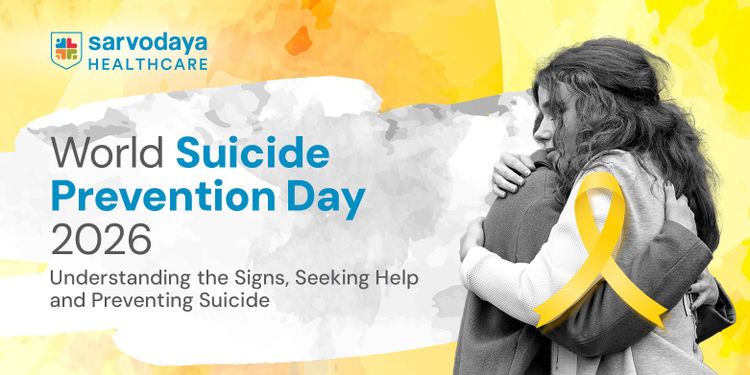


Suicide has long been a “shhh” word, something people hesitate to say out loud, a topic surrounded by discomfort, fear and stigma. Instead of talking openly about suicidal thoughts, many people choose silence.
And for people out there, emotional pain can be hard to see. Someone laughing with you might be suffering on the inside, and you won’t have a clue. They may appear to be functioning normally while internally struggling with hopelessness, anxiety, depression, loneliness, overwhelming stress or thoughts of suicide.
This is why conversations around suicide are important, so that it gives the person suffering a comfortable space to speak out. Also, it will help others to identify the signs and help them in whatever way they can.
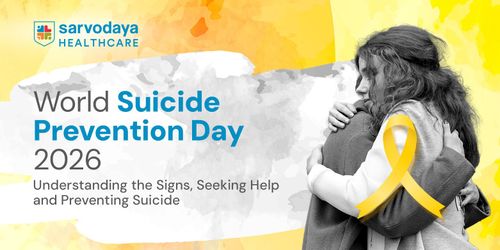
National Suicide Prevention Week 2026 is observed from September 6 to September 12 (in US), while World Suicide Prevention Day is observed on September 10. World Suicide Prevention Day is an international observance established by the International Association for Suicide Prevention (IASP) in collaboration with the World Health Organisation (WHO).
Through this blog, let us understand the importance of suicide prevention week, the theme of National Suicide Prevention Day, why conversations around suicide are important and when and how to seek help when you have suicidal thoughts.
Why Is World Suicide Prevention Day Observed?
World Suicide Prevention Day, observed every year on 10th September, is an opportunity to break the silence, challenge the stigma and encourage open conversations around suicide and mental health.
Suicide is one of the major concerns, as recognised by the WHO, and can affect people across all ages and backgrounds and is influenced by a combination of psychological, social, biological and environmental factors.
What is important to note is that suicide is preventable. Timely support, care, understanding and proper help can save lives.
The purpose of suicide prevention awareness is therefore not simply to talk about suicide. It is to encourage people to:
- Recognise warning signs
- Take emotional distress seriously
- Talk openly and without judgement
- Reduce stigma around mental health treatment
- Encourage people to seek professional help
- Support friends, family members and colleagues who may be struggling
- Improve access to mental health services
- Build stronger, more connected communities
What is the Theme of World Suicide Prevention Day 2026?
The theme of World Suicide Prevention Day 2026 is: “Changing the Narrative on Suicide.”
The call to action is “Start the Conversation.”
Starting a conversation around suicide does not mean having all the answers. Sometimes, listening to their problems, giving them a comfortable space, helping them without asking questions or judgement and connecting them with experienced mental health experts can prove to be an important first step towards changing their lives and saving them.
What Are the Warning Signs of Suicidal Thoughts?
It is not always possible to identify the signs of poor mental health or to judge whether the person has suicidal thoughts.
According to the WHO and other mental health authorities, warning signs related to suicidal thoughts can include:
- Talking about wanting to die or end one's life
- Saying they have no reason to live
- Expressing feelings of hopelessness or being trapped
- Saying they are a burden to others
- Experiencing unbearable emotional or physical pain
- Suddenly withdrawing from family and friends
- Losing interest in activities they previously enjoyed
- Major changes in sleeping or eating patterns
- Extreme mood changes
- Increased agitation, anger or distress
- Increased alcohol or substance use
- Giving away valued possessions
- Saying goodbye to loved ones
- Putting personal affairs in order
- Looking for ways to end their life
- Previous self-harm or suicide attempts
What Can Cause Negative or Suicidal Thoughts?
Suicidal thoughts rarely have one simple cause. They may develop when several risk factors and stressful circumstances overlap.
Some factors associated with increased suicide risk include:
- Mental health conditions like stress, anxiety, depression
- Major life changes or losses
- Loneliness and social isolation
- Trauma, abuse or violence
- Chronic illness or pain
- Substance use like drugs and alcohol
- Previous suicide attempt
When Should You Seek Help for Mental Health?
Taking help for mental health does not make you weak. Mental health should be your priority, like your physical health. You do not need to wait until your symptoms become severe before seeking help.
Consider speaking with a mental health doctor, psychiatrist or psychologist if you are experiencing:
- Persistent sadness or hopelessness
- Constant negative thoughts
- Severe or persistent anxiety
- Loss of interest in daily activities
- Major changes in sleep or appetite
- Difficulty concentrating
- Feelings of worthlessness or guilt
- Social withdrawal
- Emotional distress that interferes with everyday life
- Thoughts about death or suicide
- Thoughts of self-harm
- Difficulty coping after a major loss or traumatic experience
If suicidal thoughts are present, seek professional help promptly rather than trying to manage them alone.
Why Is Seeking Mental Health Help Important?
Mental health is as important as physical health, and there should be no hesitation or inhibitions while asking for help. Societal judgment, biased prejudices, especially against men, and stigma around mental health are some of the major reasons that act as barriers to suicide prevention.
Some people may also believe that emotional distress is something they should simply overcome on their own.
But what everyone must know and preach is that asking for help is not a sign of weakness.
Mental health requires treatment from experienced mental health experts. Depression, stress, anxiety, panic, emotional distress, persistent negative and suicidal thoughts and other related issues can require professional assessment and treatment.
Early intervention can help identify underlying concerns, provide appropriate treatment and prevent distress from escalating.
Read More - Men’s Mental Health Awareness Month: Breaking the Silence Around Mental Well-being
How Can You Seek Mental Health Help in India?
If you are experiencing any of the emotional distress or suicidal thoughts, don’t keep them bottled up. Consider speaking with someone you trust and contacting a qualified mental health professional.
Depending on your situation, you may seek mental health help in India through:
- A psychologist consultation for psychological assessment and therapy
- A psychiatrist consultation for psychiatric assessment and treatment
- Depression treatment when persistent depressive symptoms are present
- Anxiety treatment for significant or ongoing anxiety
- Suicide prevention counselling when suicidal thoughts or crises occur
- A hospital emergency department when there is an immediate risk of harm
In India, the Government of India's Tele-MANAS service provides 24x7 tele-mental health support. You can also reach out to a qualified psychiatrist or a psychologist near you and seek timely help.
If you or someone else is in immediate danger, do not leave the person alone. Contact emergency services or go to the nearest emergency department and seek urgent professional assistance.
What Should You Do if Someone You Know Has Suicidal Thoughts?
- The first thing you need to do for someone who has negative or suicidal thoughts is to be there for them and not leave them alone.
- Listen to their concerns and feelings without judgement or questions, and help them seek help from an experienced mental health doctor.
- You do not have to be a mental health professional to support someone. All you have to be is a friend or a support system for them.
- Most importantly, don’t give them any other advice. Let a professional help them with what is best for them.
- Don’t force them to share their feelings. Just mention your worry, and tell them you are there for them and assure them that you are ready to help in whatever way you can.
- If you are concerned about suicide, ask them indirectly about suicidal thoughts in a private conversation, that too in a subtle way without making any scene or garnering any attention. Open and compassionate communication can help someone feel understood and make it easier for them to seek help.
- Refrain from giving lectures to them. Avoid saying "just be positive" or "others have it worse" or “It will get better, don’t overthink”.
- If possible, accompany them to the doctor’s appointment.
- Try to cheer them up, if possible.
- Stay connected after the initial conversation and keep a check on them.
- If there is immediate danger, seek emergency assistance and do not leave them alone.
Read More - How to Improve Mental Health at Work: Practical Tips for Today’s Professionals
What is the Role of Society in Improving Mental Health?
Mental health cannot be addressed by individuals alone. Everybody has a role to play in keeping their own and everyone else’s mental health better. Families, schools, workplaces, healthcare organisations, communities and governments all have a role.
- Be kind and don’t do or say anything that can trigger someone
- Reduce stigma and normalise talking about mental health
- Encourage conversations
- Build mental health literacy
- Make professional care accessible
- Support young people
- Create supportive workplaces
What Is the Role of Society in Suicide Prevention?
Suicide prevention is a shared responsibility.
WHO recommends a comprehensive public health approach towards suicide Prevention. It includes early identification and management of people affected by suicidal behaviour, responsible media reporting, strengthening socio-emotional skills and reducing access to highly lethal means for people at risk.
The 2026 World Suicide Prevention Day campaign reinforces this idea: changing the narrative requires individuals, communities, organisations and governments to work together.
Communities can contribute by:
- Recognising warning signs and knowing where to seek help.
- Starting conversations instead of avoiding difficult topics.
- Reducing stigma surrounding mental illness and suicide.
- Encouraging professional care rather than relying only on informal advice.
- Supporting people after a crisis through continued connection and follow-up.
- Creating safer environments for people experiencing emotional distress.
- Promoting responsible communication about suicide and avoiding sensationalised or harmful portrayals.
- Strengthening community connections so people feel that they belong and have people they can turn to.
Suicide Prevention Starts With a Conversation
In Today’s world of modernisation and digitisation, people are now more occupied either with work or their gadgets. Human interaction has become much less. While you may know what’s going on in the life of a certain celebrity living in America, you will be completely unaware of what’s going on with your neighbour.
Meeting people is important. Talking to them is important. Initiating meaningful conversation is important. Keeping a check on their health is important. Recognising unusual signs and patterns is important.
Your single step of sympathy and companionship matters. It can save someone’s life. You do not need to have the perfect words. You need to be willing to listen, take the person seriously and help them connect with appropriate care.
At Sarvodaya Hospital, we provide a safe, supportive and confidential space for individuals seeking help for mental health concerns. Our dedicated team of experienced clinical psychiatrists, psychologists and counsellors works closely with each individual to understand their concerns, listen without judgement and provide personalised support suited to their needs.
Because sometimes, what a person needs most is someone who will simply listen. If you are struggling with any mental health concerns, do not worry. Speak to our doctors and take care of your health. You can be assured that your conversations with our team are handled with confidentiality, sensitivity and discretion.
Prioritise yourself. Seek help. Take care of your mental health. Asking for help does not make you weak; it takes strength to acknowledge when you need support. With the right guidance and support, you can take a step towards healing, hope and a better quality of life.