


Men don't cry. Men don't feel pain. Men are expected to be the strongest beings on the planet, providing, protecting, and carrying the responsibility of being the family's breadwinner. At least, that's what society has taught us to believe. But is that really true? Beneath the expectations and stereotypes, men are human beings with emotions, fears, struggles, and vulnerabilities. Their feelings deserve to be acknowledged, understood, and supported just as much as anyone else's. Recognising this is the first step toward creating a world where men feel safe to speak, heal, and seek help when they need it.
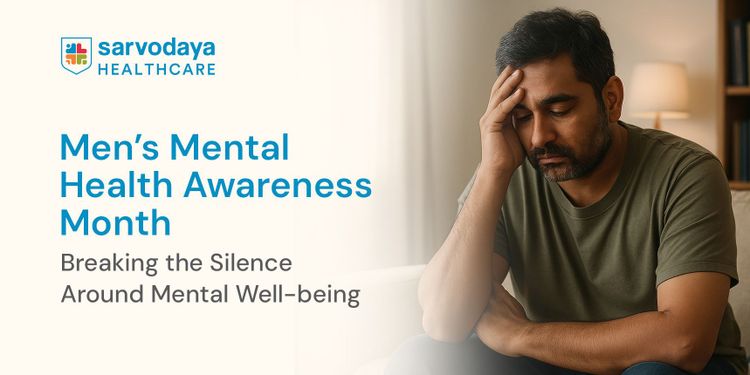
Every year, Men’s Mental Health Awareness Month serves as an important reminder that mental health for men is just as vital as physical health. While conversations about emotional well-being have become more common in recent years, many men still struggle in silence due to societal expectations, stigma, and misconceptions surrounding mental health.
Men are often taught to be strong, independent, and emotionally reserved. As a result, many hesitate to seek help when facing stress, anxiety, depression, or other mental health challenges. This reluctance can lead to worsening symptoms, strained relationships, reduced productivity, and, in severe cases, self-harm or suicide.
In the following blog, we will discuss why men’s mental health matters, what the importance of awareness month is, and how, as a society, we can help men speak and seek help for their mental health.
Why Men's Mental Health Matters
Mental health affects how individuals think, feel, behave, and cope with life's challenges. Men experience many of the same mental health conditions as women, but they may express symptoms differently and are often less likely to seek professional help. Their inability to acknowledge their feelings and emotions often leads to severe health concerns, affecting their life and sometimes their families as well.
According to global health studies, men are more likely to:
- Avoid discussing emotional struggles
- Delay seeking medical or psychological support
- Use unhealthy coping mechanisms such as alcohol, smoking, or substance abuse
- Experience social isolation
- Die by suicide at higher rates in many countries
The stigma associated with mental health remains one of the biggest barriers preventing men from receiving timely care.
Common Mental Health Challenges in Men
1. Depression
Depression is more than occasional sadness or feeling low. It is a medical condition that affects mood, energy levels, concentration, sleep, and daily functioning.
Symptoms of depression in men may include:
- Persistent sadness or emptiness
- Irritability or anger
- Loss of interest in hobbies and activities
- Fatigue and low energy
- Difficulty concentrating
- Changes in appetite or sleep
- Feelings of hopelessness
- Thoughts of self-harm or suicide
It is thus imperative for them to seek help from a mental health expert and get timely solutions to manage their health.
2. Anxiety Disorders
Anxiety is one of the most common mental health conditions worldwide. Work pressure, financial responsibilities, family obligations, and major life transitions can contribute to anxiety among men.
Common symptoms of anxiety in men include:
- Excessive worrying
- Restlessness
- Muscle tension
- Rapid heartbeat
- Sweating
- Difficulty sleeping
- Trouble concentrating
3. Stress and Burnout
Modern life places significant demands on men, whether related to career growth, financial stability, caregiving responsibilities, or personal expectations. These may lead to excessive stress in men. If left unmanaged, prolonged stress can contribute to anxiety, depression, and physical health problems.
Chronic stress in men may lead to:
- Emotional exhaustion
- Reduced productivity
- Frequent headaches
- High blood pressure
- Sleep disturbances
- Mood swings
- Relationship difficulties
4. Substance Abuse
Many men turn to alcohol, smoking, or drugs as a way to cope with emotional pain or stress. While these behaviours may provide temporary relief, they often worsen mental health symptoms and create additional health risks.
Signs of substance abuse include:
- Increased dependence on alcohol or drugs
- Difficulty controlling usage
- Neglecting responsibilities
- Relationship conflicts
- Withdrawal symptoms
Professional support is essential for recovery and long-term well-being.
5. Loneliness and Social Isolation
Despite being surrounded by family, colleagues, or friends, many men experience loneliness. Emotional isolation can increase the risk of depression, anxiety, and poor physical health.
Factors contributing to loneliness include:
- Relationship breakdowns
- Retirement
- Job loss
- Relocation
- Lack of meaningful social connections
Building supportive relationships plays a crucial role in maintaining mental wellness.
Why Men Often Avoid Seeking Help?
Several cultural and social factors discourage men from discussing their mental health concerns. They keep their feelings bottled up and hesitate to share, with a fear of being judged or bullied.
Common reasons for men avoiding seeking help include:
Fear of Judgment
Many men worry that expressing emotions may be perceived as weakness.
Traditional Gender Expectations
Society often encourages men to be self-reliant and emotionally tough, making it difficult to acknowledge vulnerability.
Lack of Awareness
Some men may not recognise the symptoms of mental health conditions or understand when professional help is needed.
Concern About Career or Social Impact
There may be fears that seeking mental health support could negatively affect professional or personal relationships.
These barriers can delay diagnosis and treatment, allowing symptoms to worsen over time. It is important to bring about reform in society and destigmatise all the notions set against vulnerability in men.
Warning Signs That Should Not Be Ignored
Mental health concerns can manifest differently in each individual. However, certain warning signs may indicate the need for professional support.
Some of the warning signs of mental health issues in men include:
- Stress and anxiety
- Negative thoughts
- Persistent sadness lasting more than two weeks
- Significant changes in sleep or appetite
- Withdrawal from family and friends
- Increased irritability or anger
- Difficulty managing daily responsibilities
- Excessive alcohol or substance use
- Loss of interest in enjoyable activities
- Feelings of worthlessness or hopelessness
- Thoughts of self-harm or suicide
Early intervention by a senior mental health expert for men can help in understanding your problems and finding timely solutions.
Practical Ways Men Can Improve Mental Well-being
Prioritise Physical Activity
Regular exercise helps release endorphins, reduce stress, improve mood, and support overall mental health. Activities like walking, running, cycling, gymming, yoga and more can help lift mood and bring a meaningful difference.
Socialise More
Healthy relationships provide emotional support during difficult times. Socialise more with family, friends and loved ones. Join community groups, pursue hobbies, and reach out to them or to a psychologist near you whenever you feel overwhelmed.
Practice Healthy Stress Management Techniques
Effective stress-management techniques help calm the mind and keep one stress-free. Some of the healthy management techniques include deep breathing exercises, meditation, mindfulness practices, journaling, time management and more.
Maintain Good Sleep Habits
Sleep and mental health are closely connected. Sleep for at least 7- 8 hours for a healthy mind. You can improve your sleep by maintaining a healthy sleep schedule, limiting screen time before bed, avoiding caffeine before bed and having a comfortable and quiet environment.
Eat a Balanced Diet
Nutrition plays an important role in brain health. Include more fruits, vegetables, whole grains, lean proteins, healthy fats and other nutritious foods. Drink adequate water and stay hydrated. Limit processed foods and avoid over alcohol consumption.
Talk About Your Feelings
One of the most important things to do is to talk about your feelings. Sharing emotions with trusted friends, family members, or healthcare professionals can help reduce emotional burden and provide valuable support.
Professional Treatment Options
Mental health conditions are treatable, and many individuals experience significant improvement with appropriate care. The best mental health doctor can help you with the right guidance and solutions.
Some of the treatment options may include:
- Counselling and Psychotherapy
- Medication
- Support Groups
- Lifestyle Modifications
How Families Can Support Men's Mental Health
Family members and loved ones play a crucial role in promoting the emotional well-being of men in their family. They are the ones who can offer them the right and comfortable environment to speak out their emotions.
Ways to help them include:
- Encouraging open conversations
- Listening without judgment
- Recognizing warning signs
- Supporting professional treatment
- Offering emotional reassurance
- Checking in regularly
Conclusion
Men’s Mental Health Awareness Month is an opportunity to challenge outdated stereotypes and promote a culture where mental health is openly discussed and prioritised. Mental health struggles are common, and seeking support is a proactive step toward better health and quality of life. At Sarvodaya, we have dedicated teams of mental health experts who offer personalised, safe, secure help, keeping your identity confidential. You can express and share all sorts of emotions and get genuine solutions through medicine and therapy.
Remember: mental health is health. It is as important as your physical health. Taking care of your mind is just as important as taking care of your body.