
Overview
Meningitis is a serious medical condition involving inflammation of the protective membranes (meninges) surrounding the brain and spinal cord. Understanding meningitis is crucial, as the infection can progress rapidly and become life-threatening without urgent medical care.
The meningitis meaning in simple terms refers to swelling of the brain coverings due to infection or inflammation. Meningitis can be caused by bacteria, viruses, fungi, or rarely non-infectious conditions. Early recognition of symptoms and prompt meningitis treatment significantly improves outcomes.
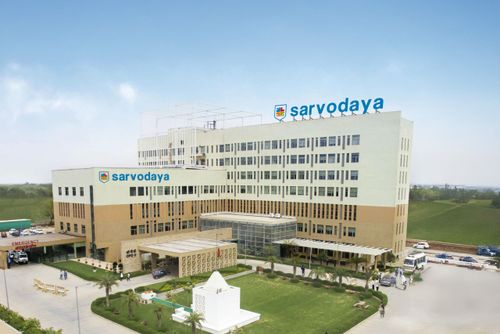
At Sarvodaya Hospital, patients receive emergency neurological care at a best neurology hospital in Delhi NCR, supported by experienced neurologists and neuro physicians.
Symptoms of Meningitis
- High fever
- Severe headache
- Neck stiffness
- Sensitivity to light
- Nausea or vomiting
- Confusion or altered consciousness
- Seizures
- Skin rash (in some bacterial cases)
- Poor feeding or irritability in infants
Causes of Meningitis
- Bacterial infections
- Viral infections
- Fungal infections
- Tuberculosis
- Head injury or brain surgery
- Immune disorders
Diagnosis of Meningitis
Accurate diagnosis of meningitis is critical to identify the infection type, assess severity, and begin timely treatment under the guidance of the best neurologist in Delhi NCR for improved patient outcomes.
- Clinical Examination: Assessment includes fever, neck stiffness, headache, neurological signs, and level of consciousness to identify meningeal irritation and determine urgency during the initial evaluation.
- Lumbar Puncture (Spinal Tap): Cerebrospinal fluid analysis is performed to confirm bacterial or viral meningitis, measure pressure, identify organisms, and guide targeted treatment decisions.
- Blood Tests: Laboratory investigations help detect infection markers, inflammatory parameters, and causative organisms, supporting diagnosis, severity assessment, and therapy selection.
- Imaging Studies (CT or MRI): Imaging is used to assess brain swelling, hydrocephalus, abscesses, or complications, ensure lumbar puncture safety, and support comprehensive evaluation in critical cases.
Treatment Options & Technology for Meningitis
Prompt treatment of meningitis is essential to control infection, reduce brain inflammation, prevent complications, and improve survival outcomes under expert care from a neuro physician in Faridabad.
- Advanced Neuro Imaging & Diagnostics: Led by the best neurologist in Noida, Sarvodaya houses a dedicated Neuro Lab equipped with 3T MRI, CT, and PET CT that ensures precise diagnosis, accurate treatment planning, and effective post-treatment monitoring.
- Immediate Antibiotic Therapy: Antibiotics are administered intravenously at the earliest suspicion of bacterial meningitis to control infection, prevent spread, reduce complications, and improve survival.
- Antiviral Medications: Prescribed in selected viral meningitis cases to limit viral replication, reduce symptom severity, and support faster neurological recovery.
- Corticosteroids: Used to reduce brain inflammation, lower intracranial pressure, and minimise long-term neurological complications alongside antimicrobial treatment.
- Supportive Care: Includes fluid management, oxygen therapy, seizure control, pain relief, and intensive monitoring to stabilise vital functions and prevent deterioration.
Prevention & Lifestyle Modifications for Meningitis
While meningitis cannot always be prevented, timely vaccination, healthy habits, and regular care under the best neurologist in Faridabad and NCR can help reduce infection risk and prevent serious complications.
- Vaccination Against Common Bacterial Causes: Immunisation helps protect against bacterial infections that commonly cause meningitis, significantly lowering disease risk.
- Good Hygiene Practices: Maintaining proper hand hygiene and cleanliness reduces the spread of infection-causing microorganisms.
- Avoid Close Contact With Infected Individuals: Limiting exposure to infected people helps prevent transmission of contagious meningitis-causing organisms.
- Early Treatment of Infections: Prompt treatment of respiratory or systemic infections reduces the risk of infection spreading to the brain.
- Regular Medical Check-Ups for High-Risk Individuals: Routine health monitoring allows early detection of risk factors and timely preventive care for vulnerable individuals.
Pre–Post Treatment Care for Meningitis
Pre-Treatment
- Immediate hospital admission
- Urgent neurological evaluation
- Diagnostic testing
Post-Treatment
- Completion of prescribed medications
- Neurological monitoring
- Rehabilitation if required
- Regular follow-up with a neurologist