
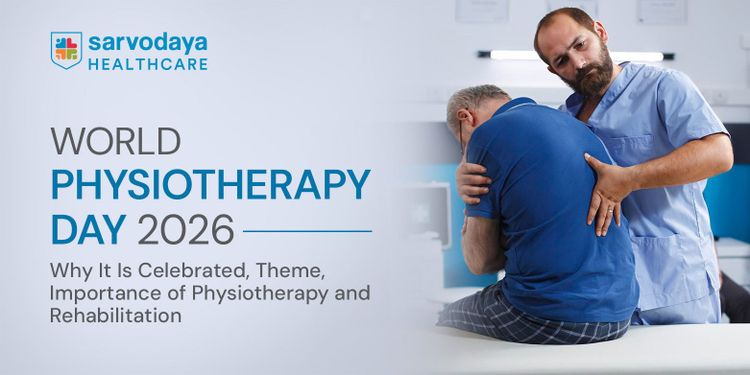


Physiotherapy has always been more than treatment for neck pain, back pain or sports injuries. Physiotherapy, combined with rehabilitation, plays an important role in restoring movement, not only after pain but also after surgeries, fractures and for severe conditions like stroke, paralysis and more.
World Physiotherapy Day is observed every year on 8 September to recognise the contribution of physiotherapists to healthcare and to raise awareness about the importance of movement, physical activity, rehabilitation and functional independence.
In this blog, let us find out the importance of World Physiotherapy Day, why physiotherapy is important and what conditions it helps to manage.
What is World Physiotherapy Day?
Every year, World Physiotherapy Day is observed on 8 September. This year, World Physiotherapy Day will be celebrated on 8th September 2026.
The day provides an opportunity to recognise physiotherapists and increase public understanding of physiotherapy, physical activity and rehabilitation.
What is the Theme of World Physiotherapy Day 2026?
The official World Physiotherapy Day 2026 theme is:
“The role of physiotherapy and physical activity in the prevention, management, and rehabilitation of cardiovascular disease and stroke.”
It specifically focuses on cardiovascular disease (CVD) and stroke, highlighting the role of physiotherapists and physical activity in prevention, management and rehabilitation.
Why is World Physiotherapy Day Celebrated?
Despite its importance in the management of pain and support in recovery, the role of physiotherapy has been widely neglected or limited to only pain relief and injury treatment.
World Physiotherapy Day serves as a reminder to highlight the importance of physiotherapy and rehabilitation in modern healthcare.
Why is Physiotherapy Important?
Physiotherapy helps a person move. It not only focuses on pain management but also improves function, balance, mobility, strength and physical independence of an individual.
Depending on the person's condition, physiotherapists may use therapeutic exercises, movement training, manual techniques, education and other evidence-based approaches.
Physiotherapy is important because:
1. Helps improve mobility and movement
Physiotherapy may help improve mobility and functional movement of a person by addressing concerns like pain, injury, surgery, neurological conditions or prolonged illness.
2. Supports recovery after surgery
A structured rehabilitation programme may help patients gradually regain strength, movement and confidence while returning to everyday activities after undergoing fracture surgery, spine surgery, brain surgery, knee and hip replacement surgery and other joint surgeries.
3. Helps manage pain
While the appropriate treatment of pain depends on the underlying cause, physiotherapy helps manage musculoskeletal pain by addressing factors like muscle weakness, movement patterns and reduced mobility.
4. Supports neurological rehabilitation
Physiotherapy and Rehabilitation form an important part of neurological rehab and can help people work towards greater independence by helping them recover from stroke, Parkinson's disease, brain injury or spinal cord injury.
5. Helps improve physical fitness
Physical inactivity can contribute to poor cardiovascular health and other chronic health problems. Physiotherapists can help people adopt appropriate physical activity and exercise programmes according to their health status and functional capacity.
This is particularly relevant to the 2026 World Physiotherapy Day campaign, which highlights physical activity in the prevention and management of cardiovascular disease.
Read More - 5 Common Medical Conditions Managed With Physiotherapy You Didn’t Know About
What Conditions Can Be Managed Through Physiotherapy?
Physiotherapy may be recommended for a wide range of conditions. Some common examples include:
Musculoskeletal Conditions
- Back pain
- Neck pain
- Shoulder pain
- Knee pain
- Osteoarthritis
- Joint stiffness
- Muscle strains
- Tendon injuries
- Ligament injuries
- Sports injuries
- Postural problems
Orthopaedic Rehabilitation
- Knee replacement
- Hip replacement
- Fracture
- Orthopaedic surgery
- Ligament reconstruction
- Joint injuries
- Spinal procedures
Neurological Conditions
- Stroke
- Parkinson's disease
- Multiple sclerosis
- Brain injury
- Spinal cord injury
- Balance and coordination problems
- Muscle weakness
- Movement disorders
Cardiovascular Rehabilitation
Paediatric rehabilitation
Respiratory Conditions
Geriatric Conditions
- Reduced mobility
- Muscle weakness
- Balance problems
- Falls risk
- Joint stiffness
- Recovery after illness or surgery
- Age-related functional decline
What is the Role of Physiotherapy in Rehabilitation?
Physiotherapy is one of the important components of a multidisciplinary rehabilitation programme.
A physiotherapist may assess:
- Muscle strength
- Joint movement
- Walking ability
- Balance
- Coordination
- Endurance
- Pain
- Physical function
- Ability to perform daily activities
Based on the assessment, the physiotherapist can develop a personalised rehabilitation programme based on a patient’s needs. It might include exercises for pain management, balance, mobility, flexibility, strength, breathing, and functional training.
Read More - Geriatric Physiotherapy: Enhancing Function and Quality of Life in Older Adults
Role of Physiotherapy in Stroke Rehabilitation
A brain stroke can affect a person’s movement, balance, coordination, muscle strength and the ability to perform everyday activities. Many patients have their hands or legs paralysed, making it difficult for them to walk, sit and perform activities independently.
Physiotherapy is an important part of stroke rehabilitation. Depending on the individual's condition, rehabilitation may focus on and help improve movement, balance, walking, strength, coordination and functional independence.
Role of Physiotherapy in Heart Health
Cardiovascular disease remains a major global health concern. Physical inactivity is one of the factors that can negatively affect cardiovascular health.
Physiotherapists can support people by encouraging appropriate physical activity and developing personalised exercise programmes based on an individual's health and functional status.
Who May Need Physiotherapy?
Physiotherapy can benefit people across different age groups and health situations.
You may need to consult a physiotherapist if you experience:
- Persistent or recurring musculoskeletal pain
- Difficulty walking or moving
- Reduced joint mobility
- Muscle weakness
- Balance problems
- Recovery after surgery
- Sports injuries
- Difficulty performing daily activities after an illness
- Stroke-related movement problems
- Reduced physical fitness following prolonged hospitalisation
- Age-related mobility difficulties
A physiotherapy assessment can help determine whether physiotherapy is appropriate and what type of rehabilitation may be required.
World Physiotherapy Day 2026: A Reminder to Keep Moving
World Physiotherapy Day 2026 provides an opportunity to look at physiotherapy beyond pain relief and injury management.
From cardiovascular health and stroke rehabilitation to orthopaedic recovery, neurological rehabilitation, chronic pain management and healthy ageing, physiotherapy can play an important role in helping people move better and live more independently.
Sarvodaya Hospital houses an advanced and comprehensive Centre for Physiotherapy and Rehabilitation where expert physiotherapists and rehabilitation experts come together to help restore mobility of people across all age groups.
From pain management to recovery after stroke, surgeries and severe injuries, our team is highly skilled in managing and treating all conditions.
If you have prolonged pain and are looking for faster and effective recovery, book your appointment with expert physiotherapists today.