


Are you feeling more tired than usual, parched, or occasionally experiencing dizziness or blurred vision? While these changes can be attributed to a busy lifestyle and everyday stress, they can be linked to fluctuations in your blood sugar levels. Blood sugar imbalances develop gradually and quietly, impacting your energy, mood, focus, and overall well-being without obvious warning signs.
Over time, unmanaged high or low blood sugar can impact many aspects of your health. Understanding what your blood sugar readings mean can help you understand early warning signs and take timely action. This guide on blood glucose levels will help you better understand fluctuations, symptoms, and when to seek medical advice.
Key Takeaways
- Understanding blood sugar levels can help identify early warning signs of diabetes and support timely intervention.
- Recognising the symptoms of high and low blood sugar is important for preventing serious health complications.
- Knowing the normal blood sugar range can help you better monitor and manage your metabolic health.
- Regular blood sugar testing enables early detection of abnormalities and guides appropriate treatment.
Healthy lifestyle habits, routine monitoring, and timely medical care play a vital role in maintaining long-term blood sugar control and overall wellbeing.
What Are Blood Sugar Levels and Why Do They Matter?
Blood sugar levels are linked to the concentration of glucose present in the blood at any given time. Glucose comes from the food we eat and is regulated by insulin, a hormone produced by the pancreas. Healthy blood sugar regulation is important because glucose fuels the body's cells, muscles, and brain. When blood sugar levels become too high or too low, the body may struggle to function properly, leading to both short-term symptoms and long-term health risks.
Monitoring blood sugar levels is particularly important for individuals with Diabetes, prediabetes, metabolic disorders, or a family history of blood sugar abnormalities.
What is a Normal Blood Sugar Range?
Blood sugar, also called blood glucose, is the amount of sugar circulating in the bloodstream. Maintaining healthy levels is essential because glucose serves as the body's primary energy source. Normal ranges vary depending on whether the measurement is taken while fasting, after meals, or at a random time during the day.
Fasting Blood Sugar Levels
A fasting blood sugar test is performed after at least 8 hours without food. General reference values include:
- Normal: Less than 100 mg/dL
- Prediabetes: 100–125 mg/dL
- Diabetes: 126 mg/dL or higher on two separate tests
Post-Meal (Postprandial) Blood Sugar Levels
Postprandial blood sugar refers to blood glucose measured approximately two hours after eating. Generally, a healthy post-meal reading is:
Less than 140 mg/dL for most individuals
People with Diabetes may have different target ranges based on their treatment plan.
Random Blood Sugar Readings
A random blood glucose test can be performed at any time of the day. A reading of 200 mg/dL or higher, along with symptoms of Diabetes, may indicate diabetes and requires medical evaluation. Understanding your diabetes blood sugar range can help you and your healthcare provider assess your metabolic health and the effectiveness of your treatment.
What is High Blood Sugar (Hyperglycemia)?
Hyperglycemia or high blood sugar occurs when blood glucose levels become higher than normal. It commonly affects people with Diabetes but can also occur due to stress, illness, medications, or hormonal disorders. If left untreated, high blood sugar can damage blood vessels, nerves, organs, and other tissues over time.
What Are the Symptoms of High Blood Sugar?
High blood sugar often develops gradually, and its symptoms may become more noticeable as glucose levels continue to rise. Recognising these warning signs early allows individuals to seek timely treatment and reduce the risk of serious complications.
- Dry skin
- Blurred vision
- Frequent urination
- Tingling
- Nausea
- Slow Healing
- Unusually thirsty
- Weight Loss
In severe cases, Hyperglycemia symptoms include fruity breath or rapid/shallow breathing.
What is Low Blood Sugar (Hypoglycemia)?
Hypoglycemia occurs when blood glucose levels drop below normal levels, typically below 70 mg/dL. Low blood sugar is more common in individuals taking insulin or certain diabetes medications, but it can also occur due to missed meals, excessive exercise, or alcohol consumption. Prompt treatment is important because severe hypoglycemia can become a medical emergency.
What Are the Symptoms of Low Blood Sugar?
Low blood sugar symptoms usually appear quickly and serve as the body's warning signals that glucose levels need immediate correction. Identifying these symptoms early can help prevent severe complications such as confusion, loss of consciousness, or seizures.
- Shaking or trembling
- Sweating
- Dizziness
- Hunger
- Rapid heartbeat
- Irritability
- Difficulty concentrating
- Confusion
- Weakness
In severe cases, hypoglycemia may cause seizures, unconsciousness, or loss of coordination.
Why Do Blood Sugar Levels Fluctuate?
Blood sugar levels naturally rise and fall throughout the day in response to various internal and external factors. Understanding these influences helps individuals make informed lifestyle choices and better manage their overall glucose control.
Diet and Carbohydrate Intake
Foods high in carbohydrates and sugars can cause rapid increases in blood sugar levels, while prolonged fasting may contribute to low readings.
Physical Activity Levels
Exercise helps muscles utilise glucose for energy, which can lower blood sugar levels.
Stress and Hormonal Changes
Physical or emotional stress triggers hormone release, which may raise blood sugar levels even in individuals without Diabetes.
Medication or Insulin Use
Improper dosing of insulin or diabetes medications can lead to both high and low blood sugar episodes.
Underlying Medical Conditions
Certain illnesses, infections, endocrine disorders, and pancreatic conditions can affect insulin levels and blood glucose regulation.
What Are the Risks of Uncontrolled Blood Sugar Levels?
Persistent blood sugar abnormalities can gradually damage important organs and body systems. Without proper management, these complications may reduce quality of life and increase the risk of severe health conditions.
Diabetes Complications
Poorly controlled Diabetes increases the risk of damage to multiple organs and body systems.
Nerve Damage (Neuropathy)
Long-term elevated blood sugar can damage nerves, leading to pain, numbness, tingling, and loss of sensation, particularly in the hands and feet.
Kidney Disease
High blood sugar can damage the kidneys' filtering system, increasing the risk of chronic Kidney disease and kidney failure.
Heart Disease Risk
People with uncontrolled Diabetes face a significantly higher risk of heart disease, stroke, and blood vessel disorders.
Vision Problems
Blood sugar abnormalities can damage the blood vessels in the eyes, increasing the risk of diabetic retinopathy, cataracts, and vision loss.
These complications highlight the importance of regular blood sugar monitoring and effective diabetes management.
How is Blood Sugar Tested and Monitored?
Blood sugar testing provides valuable information about how the body processes glucose over time. Different tests serve different purposes, from diagnosing diabetes to monitoring treatment effectiveness and daily glucose patterns.
Fasting Blood Sugar Test
A fasting blood sugar test measures glucose levels after fasting for at least eight hours. It is commonly used to screen for prediabetes and Diabetes.
HbA1c Test (Average Sugar Level)
The HbA1c test provides an average of blood glucose levels over the previous two to three months. This test helps assess long-term blood sugar control and treatment effectiveness.
Glucometer Self-Monitoring
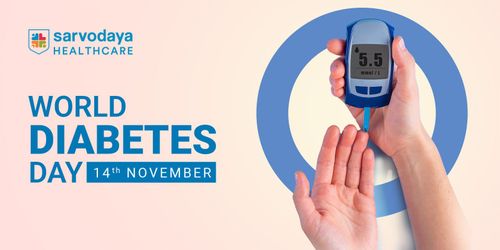
A glucometer allows individuals to perform a blood glucose test at home using a small blood sample. Regular monitoring helps patients understand how food, activity, stress, and medications affect their blood sugar levels.
When Should You Take Immediate Action for Blood Sugar Changes?
Some blood sugar changes can become medical emergencies if left untreated. Knowing when to seek urgent medical attention helps prevent severe complications and ensures timely intervention.
- Blood sugar readings consistently above your target range
- Severe hyperglycemia symptoms
- Repeated hypoglycemia episodes
- Loss of consciousness
- Confusion or seizures
- Difficulty breathing
- Persistent vomiting
- Severe dehydration
Prompt treatment can help prevent serious complications and hospitalisation.
How Can You Control Blood Sugar Levels?
Blood sugar management involves a combination of healthy lifestyle habits, regular monitoring, and adherence to medical advice. Consistent efforts can improve glucose control, reduce complications, and support overall long-term health.
Effective strategies include:
- Following a balanced diet
- Monitoring carbohydrate intake
- Engaging in regular physical activity
- Maintaining a healthy weight
- Taking medications as prescribed
- Monitoring blood sugar regularly
- Managing stress
- Attending routine medical check-ups
Early intervention plays a crucial role in successful diabetes management and long-term health outcomes.
How Sarvodaya Hospital Helps in Diabetes and Blood Sugar Management
At Sarvodaya Hospital, patients receive comprehensive care for Diabetes and blood sugar-related conditions through a multidisciplinary approach. Our team of endocrinologists, physicians, nutritionists, diabetes educators, and specialists works together to provide personalised treatment plans tailored to each patient's needs.
Services include:
- Diabetes screening and diagnosis
- Advanced blood glucose testing
- HbA1c monitoring
- Nutritional counselling
- Medication management
- Insulin therapy guidance
- Prevention and management of diabetes complications
- Long-term follow-up care
By combining advanced diagnostics with patient-centred care, Sarvodaya Hospital helps individuals achieve better blood sugar control and improved quality of life.
Conclusion
Blood sugar levels are a key indicator of metabolic health and play a vital role in the body's ability to function properly. Understanding normal blood sugar ranges, recognising high blood sugar symptoms and low blood sugar symptoms, and monitoring changes regularly can help prevent serious complications.
Whether you are managing Diabetes, monitoring your risk factors, or seeking answers about fluctuating blood glucose levels, timely testing and professional medical guidance are essential. With proper diabetes management, healthy lifestyle choices, and expert care, individuals can maintain stable blood sugar levels and reduce their risk of long-term health complications.