
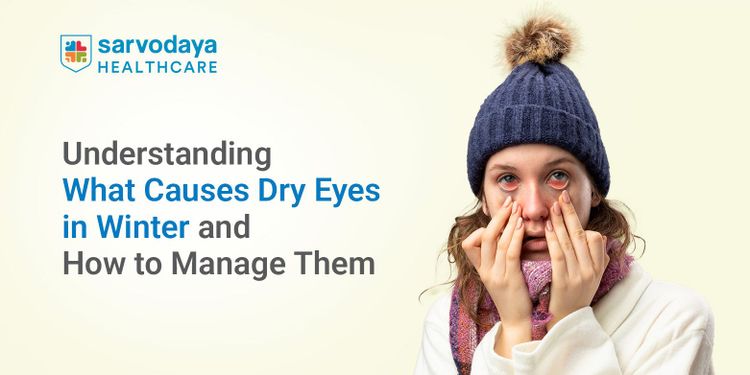


Cold weather can be very harmful to the eyes, especially during the winter season when the environment changes rapidly. Most people notice that their eyes feel dry in winter, and they feel irritable and uncomfortable, to the point that they are distracted and cannot go about their day comfortably.
In this blog, we explore how winter conditions contribute to dry eye disease, explain the underlying factors that cause dryness in the eyes, and outline the importance of timely diagnosis and appropriate care.
Understanding Dry Eye Disease
Dry eye disease is an ocular condition that develops when the eyes cannot produce enough tears or when the quality of the tears is very low to ensure adequate lubrication of the eye. Tears are crucial for maintaining a clear, smooth, and safe surface of the eye. Disruption of the tear balance can lead to inflammation and damage to the eye surface.
During colder months, dry eyes in winter become more prevalent due to increased tear evaporation caused by dry air and heating systems. Unlike temporary discomfort that resolves on its own, dry eye disease is often chronic and requires medical attention. Left unmanaged, it can progress and significantly affect vision quality and eye comfort.
Causes of Dry Eyes In Winter
Cold outdoor conditions, combined with indoor heating, reduce ambient humidity, promoting the quicker evaporation of tears and the drying of the natural protective mucus of the eye. This imbalance typically results in increased dryness in the eyes during the colder months.
The most prevalent factors that cause wintertime dry eye are:
- Cold winds without eye protection.
- Long-term use of heating and air conditioning inside the house.
- Reduced blinking because of prolonged screen time.
- Decline in tear production with old age.
- Certain drugs and underlying medical disorders.
Identifying these contributing factors helps ensure that an eye specialist in Noida prescribes the right lifestyle changes and medical treatment to prevent the onset of symptoms.
Common Dry Eye Symptoms
Dry eye symptoms may range from mild irritation to continuous discomfort, affecting vision quality. Symptoms can be more pronounced in winter, when a person may experience dryness and increased tear instability, which often become noticeable when reading, driving, or working with screens.
Symptoms of typical cases of eye dryness include:
- A gritty or burning sensation in the eyes
- Redness and irritation
- Sensitivity to light
- Blurred or fluctuating vision
- Excessive tearing as a reflex response
When these symptoms persist or worsen, they may indicate an underlying condition that requires professional evaluation by an eye specialist in Faridabad and timely dry eye treatment to prevent long-term complications.
Diagnosis and Medical Evaluation
A detailed eye examination allows specialists to assess tear quality, tear quantity, and ocular surface health, especially in patients with persistent dry eyes in winter.
Before recommending a dry eye treatment plan, an eye specialist in Greater Noida may carry out:
- Tear film evaluation to measure tear stability
- Tests to assess tear production
- Examination of eyelids and meibomian glands
- Review of medical history and lifestyle factors
Early diagnosis at an eye hospital in Delhi NCR ensures targeted intervention and prevents progression of symptoms that may affect long-term vision comfort.
Dry Eye Treatment Options
The approach to dry eye treatment depends on symptom severity, underlying causes, and individual eye health.
Common treatment for dry eyes includes:
- Lubricating eye drops to restore moisture balance
- Prescription medications to reduce inflammation
- Therapies to improve tear quality and gland function
- Protective measures to reduce tear evaporation
A personalised dry eye solution from an eye specialist in Delhi NCR focuses not only on symptom relief but also on addressing the root cause to ensure sustained improvement in eye comfort.
Home Care and Preventive Measures
Supportive home care plays an important role in managing dry eye disease, especially during colder months.
Effective home-based treatment for dry eyes includes:
- Using a humidifier indoors to maintain moisture levels
- Taking regular breaks during prolonged screen use
- Wearing protective eyewear in cold or windy conditions
- Maintaining proper eyelid hygiene
- Staying adequately hydrated throughout the day
Long-Term Management and Dry Eye Solution
For individuals with chronic symptoms, long-term management is essential to achieve a sustainable solution for dry eyes. Ongoing care focuses on maintaining tear stability, reducing inflammation, and preventing seasonal flare-ups, particularly during winter.
Regular follow-ups with an eye specialist allow timely adjustments to dry eye treatment plans. With consistent care, patients can effectively manage dry eyes in winter and protect long-term ocular health.
Conclusion
Dry eye disease is a common yet often underestimated condition that tends to worsen during colder months, driven by environmental and lifestyle factors. With the right clinical guidance, winter-related eye dryness can be effectively managed without compromising visual comfort.
Sarvodaya Hospital, Faridabad, offers comprehensive care for patients experiencing dry eyes in winter, supported by the best eye doctor in Delhi NCR, other experienced specialists and advanced diagnostic facilities. As a trusted eye hospital in Faridabad, it provides personalised dry eye treatment plans tailored to individual needs. Preventive consultations help identify risks early, allowing patients to manage dry eye disease proactively and avoid long-term complications.
To receive expert guidance and a customised dry eye solution, you can book an appointment now and take a proactive step towards healthier, more comfortable vision.