


Cataracts are one of the most common age-related eye conditions and a leading cause of vision impairment across the world. As the natural lens of the eye becomes cloudy over time, daily activities such as reading, driving, recognising faces, and even moving around safely can become increasingly difficult. Beyond physical discomfort, deteriorating vision often affects emotional well-being, confidence, and overall quality of life.
In this blog, we explain the cost of cataract eye surgery, the different treatment options available today, and how insurance coverage can help reduce the financial burden.
Understanding Cataracts and When Surgery Is Needed
Cataracts develop when proteins in the eye’s natural lens break down and clump together, leading to clouding of vision. Over time, the condition progresses gradually, often without pain, making early detection important.
Surgery may be advised in situations such as:
- Persistent blurred vision despite updated spectacles
- Difficulty driving, especially at night
- Problems performing daily tasks like reading or cooking
- Reduced quality of life due to poor eyesight
- Clinical evidence of significant lens clouding during eye examination
As technology has advanced, cataract eye surgery has become more transparent, with options available to suit different medical needs and budgets.
Cataract Surgery Process Overview
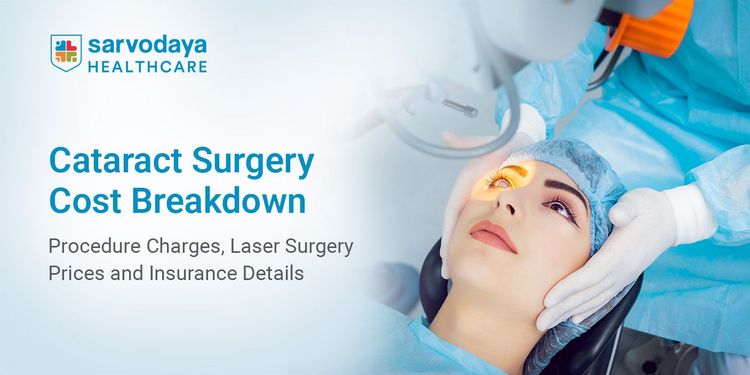
Before surgery, the eye is thoroughly examined, and measurements are taken to determine the most suitable lens for the patient. On the day of surgery, local anaesthesia is administered to ensure comfort, and the surgery is performed under sterile conditions.
The main steps involved in cataract surgery include:
- A small incision is made in the eye to access the clouded lens.
- The affected lens is gently broken down using ultrasound or laser energy.
- The fragmented lens is removed carefully.
- An artificial intraocular lens is implanted to restore vision.
- The incision heals naturally without the need for stitches in most cases.
Choosing an experienced surgeon and a well-equipped facility plays a key role in ensuring safety, accuracy, and long-term visual clarity.
Cost of Cataract Surgery
The cost of cataract eye surgery in India generally ranges from affordable basic surgeries to premium treatments that use advanced laser technology and specialised lenses. This variation exists to accommodate different patient needs, eye conditions, and lifestyle expectations.
Several factors contribute to the overall cataract eye surgery cost, including:
- Type of surgery performed, whether it is conventional or laser-assisted
- Technology and equipment used during the surgery
- Experience and expertise of the surgeon
- Choice of intraocular lens, such as monofocal, multifocal, or toric lenses
- Infrastructure and standards of the hospital
Cost of Laser Cataract Surgery vs Traditional Surgery
The cost of laser cataract eye surgery is generally higher than conventional surgery due to the use of advanced equipment and improved precision. Laser technology allows for more controlled incisions, reduced manual handling, and better lens positioning, which can be especially beneficial for patients with complex eye conditions.
Key differences between the two approaches include:
- Traditional surgery is more cost-effective and widely available.
- Laser surgery offers higher precision and consistency.
- Laser surgeries may reduce recovery time in certain patients.
- The cataract surgery procedure cost increases with laser usage.
A qualified eye specialist can guide patients towards the most suitable option based on eye health, visual expectations, and budget.
Read More about- Eye Flu: Causes, Conjunctiva Symptoms, Treatment, Prevention
Factors Affecting Cataract Surgery Cost
The cataract eye surgery cost is not fixed and depends on multiple medical and non-medical factors.
Some of the major factors influencing the cost of cataract surgery include:
- Type of Intraocular Lens Used: Premium lenses, such as multifocal or toric lenses, increase the cost of cataract eye surgery compared to standard monofocal lenses.
- Surgical Technique Chosen: Laser-assisted techniques lead to a higher cataract surgery cost than conventional methods.
- Surgeon’s Expertise: Highly experienced surgeons may charge more due to their skill, precision, and success rates.
- Hospital Infrastructure: Advanced diagnostic tools, modern operation theatres, and post-operative care facilities affect overall pricing.
- Geographical Location: Treatment at a reputed eye hospital in Delhi NCR may differ in cost compared to smaller centres due to access to advanced technology and eye specialist in Noida.
Insurance Coverage for Cataract Surgery
Most standard health insurance plans cover hospitalisation expenses related to cataract surgery. This usually includes surgeon fees, operation theatre charges, nursing care, and basic lens implantation. However, coverage may vary depending on the insurer and the policy terms.
Key points patients should be aware of regarding insurance coverage include:
- Cataract surgery is usually covered after the waiting period is completed.
- Basic surgeries are often fully or partially reimbursed.
- Advanced options may increase the cost of cataract surgery beyond insurance limits.
- Premium lenses and laser techniques may involve out-of-pocket expenses.
- Pre-authorisation and proper documentation are often required.
Hospitals with dedicated insurance support teams help patients understand inclusions, exclusions, and claim processes, ensuring a smoother treatment journey.
Recovery After Cataract Surgery
After surgery, patients are advised to rest the eye and avoid strenuous activities for a short period. Protective eye drops are prescribed to prevent infection and reduce inflammation.
During the recovery phase, patients should keep the following points in mind:
- Avoid rubbing or pressing the operated eye.
- Use prescribed eye drops as directed.
- Protect the eye from dust and water
- Avoid heavy lifting and bending initially.
- Attend scheduled follow-up appointments
Choosing the right facility helps manage both recovery and the overall cataract eye surgery cost-effectively.
Conclusion
Cataract surgery is a safe, proven, and life-enhancing surgery that restores vision and improves overall quality of life. With multiple treatment options available today, cataract care can be tailored to suit individual visual needs and budgets.
Sarvodaya Hospital, Faridabad, offers comprehensive eye care services with advanced diagnostic facilities, experienced eye specialist in Faridabad, and patient-centric treatment plans. With access to modern surgical techniques and transparent counselling on the cataract surgery procedure cost, Sarvodaya Hospital ensures that patients receive safe, effective, and personalised care.
To take the first step towards improved eye health, book an appointment now and consult an experienced eye specialist in delhi ncr.