
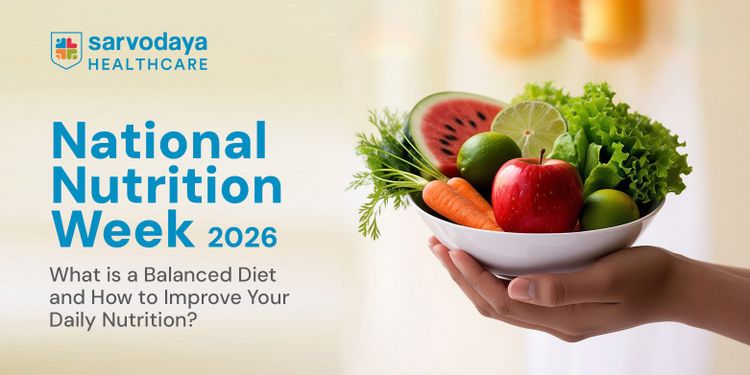


Good nutrition is often discussed only when someone wants to lose weight, manage a health condition or correct a nutrient deficiency. But nutrition matters every day, including when you feel completely healthy.
National Nutrition Week 2026, observed from September 1 to 7, is an opportunity to look at what we eat and understand how everyday food choices influence energy, growth, immunity and long-term health. In India, the observance began in 1982 under the Food and Nutrition Board to increase awareness about nutrition and its role in health and development.
The goal is not to follow a perfect diet. It is to build eating habits that are balanced, varied and realistic enough to continue.
Why Is National Nutrition Week Important?
Nutrition affects the body at every stage of life. It provides the energy and nutrients needed for growth, tissue repair, brain function, immunity and everyday activity.
Poor nutrition can work in different directions. It may contribute to nutrient deficiencies, while diets high in excess sugar, salt, unhealthy fats and highly processed foods can increase the risk of conditions such as obesity, diabetes and cardiovascular disease.
National Nutrition Week encourages people to look beyond individual foods and think about the overall quality of their diet. It is also a reminder that healthy eating does not have to mean expensive ingredients, complicated recipes or restrictive diets.
Read More - Nutrition Care for Kidney Disease: Safe and Balanced Dietary Guidance
What Is the National Nutrition Week 2026 Theme?
At present, for National Nutrition Week theme 2026, there is no specific theme, but several online sources are circulating different themes.
The broader purpose of the week remains clear: improve nutrition awareness and encourage healthier, more informed food choices.
What Is a Balanced Diet?
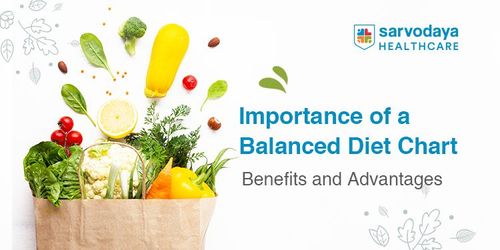
A balanced diet provides the body with the nutrients it needs in appropriate amounts. It is not about eating one "superfood" or completely avoiding carbohydrates, fats or other food groups.
A healthy eating pattern includes a variety of vegetables, fruits, whole grains or other staple foods, pulses, nuts, seeds and suitable sources of protein such as dairy, eggs, fish or lean meat. The exact balance depends on age, activity level, health needs, culture and dietary preferences.
A simple way to think about a balanced meal is to include a source of protein, a source of fibre-rich carbohydrates, vegetables or fruit and a moderate amount of healthy fat.
Variety matters because no single food provides every nutrient the body needs.
How Much Water Should You Drink Daily?
There is no single amount of water that every adult must drink each day. Fluid needs vary with body size, physical activity, weather, diet and health conditions.
Water should generally be the main source of hydration. You may need more fluids during hot weather, exercise or when you lose fluids through sweating.
Thirst, urine colour and changes in fluid loss can provide useful clues about hydration. However, people with certain kidney, heart or other medical conditions may have specific fluid restrictions and should follow their doctor's advice.
The larger point is simple: hydration is part of nutrition.
What Foods Support Your Immune System?
The idea that one food can boost immunity is appealing, but your immune system requires more variety than one single item can provide.
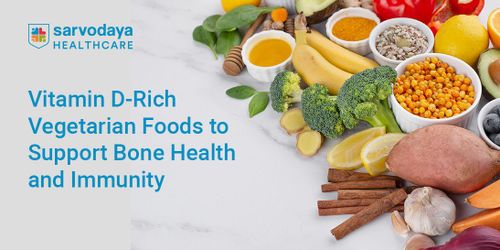
It requires a diet that supplies nutrients needed for a normal immune system to function. Here, vegetables and fruits can provide vitamins, minerals and other beneficial compounds, while pulses, nuts, seeds, whole grains and protein-rich foods can contribute to additional nutrients.
Citrus fruits, guava and other fruits rich in vitamin C can be part of a healthy diet. Nuts and seeds provide healthy fats and minerals, while pulses and other protein sources contribute essential nutrients.
The real protection comes from dietary variety and adequacy over time, rather than relying on a single immunity food.
Is Skipping Breakfast Bad for Health?
Skipping breakfast is not automatically unhealthy for every person. What matters more is whether the overall diet provides enough nutrients and whether skipping a meal affects your eating pattern.
For some people, missing breakfast may lead to excessive hunger later in the day or greater dependence on convenient, highly processed foods. For others, breakfast may simply be incorporated into a different eating schedule.
Children, adolescents, pregnant women and people with specific medical or nutritional needs may have different requirements.
Instead of asking whether breakfast is universally good or bad, a more useful question is: Are you getting adequate, balanced nutrition throughout the day?
How Can You Improve Daily Nutrition?
Healthy eating often becomes difficult because people try to change everything at once. A more sustainable approach is to improve one meal or habit at a time.
Some simple ways to improve daily nutrition include:
- Add vegetables or fruit to meals more regularly.
- Include a protein source in your main meals.
- Choose whole grains and pulses more often.
- Keep nuts, seeds or fresh fruit available for convenient snacks.
- Choose water more often instead of sugary drinks.
- Reduce foods high in excess salt, sugar and unhealthy fats.
- Pay attention to portion sizes, even when the food itself is nutritious.
WHO recommends dietary diversity, with a greater emphasis on vegetables, fruits, pulses and whole grains, while limiting excess free sugars, sodium and unhealthy fats.
The aim is not to make every meal perfect. It is to make the overall pattern better.
Simple Healthy Eating Tips for Busy Days
A busy schedule is one of the most common reasons healthy eating falls apart. The solution does not have to be elaborate meal preparation.
Plan a few basic meals in advance and keep convenient, nutritious foods available. Dal, curd, eggs, fruit, nuts, roasted chana, vegetables and whole-grain options can make everyday meals easier without requiring complicated cooking.
When eating outside, look for meals that include vegetables and a protein source rather than choosing only based on convenience.
Most importantly, healthy eating should fit your life. A diet that is theoretically perfect but impossible to maintain is not a very useful diet.
Does Healthy Eating Mean Giving Up Your Favourite Foods?
Not necessarily.
Healthy nutrition is about the overall pattern of eating, not about labelling every food as "good" or "bad." A balanced diet can include foods that are higher in sugar, salt or fat when consumed occasionally and in appropriate portions.
The more important question is what makes up most of your diet.
If most meals contain a good variety of nutrient-rich foods, an occasional dessert, festive meal or favourite snack does not undo your entire eating pattern.
This approach is also more sustainable than strict food rules. The goal is to develop habits that can continue for years, not a few days.
What Nutrients Does Your Body Need Every Day?
The body needs both macronutrients and micronutrients.
Carbohydrates provide an important source of energy and are best obtained mainly from foods such as whole grains, pulses, vegetables and fruits.
Protein provides building blocks for muscles, tissues, hormones and enzymes. Sources include pulses, dairy, eggs, fish, meat, soy and other protein-rich foods.
Fats are also essential. The type of fat matters, with unsaturated fats generally preferred over saturated and industrial trans fats.
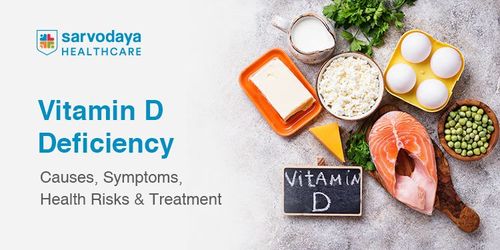
Vitamins and minerals are needed in smaller amounts but support processes ranging from blood formation and bone health to immune function and normal metabolism.
A varied diet is usually the best way to obtain these nutrients. Specific supplements may be appropriate for some people, but they should not replace a balanced diet or be taken unnecessarily.
When Should You See a Dietician or Nutritionist?
Most people can improve their everyday diet through basic healthy eating principles. However, some situations require more personalised guidance.
A dietician or nutritionist may be helpful if you have a diagnosed health condition, unexplained weight changes, nutritional deficiencies, digestive concerns or specific dietary restrictions. Professional guidance can also be useful during pregnancy, for sports nutrition or when managing a child's nutritional needs.
A personalised plan is particularly important when a medical condition affects what or how much you should eat.
Rather than following a generic diet found online, a professional can consider your health history, lifestyle, food preferences and nutritional requirements.
Nutrition Consultation at Sarvodaya Hospital
Nutrition care can be an important part of preventive healthcare as well as medical treatment. At Sarvodaya Hospital, nutrition and diet-related guidance can support individuals who need personalised dietary advice based on their health and nutritional requirements.
A professional nutrition consultation can help identify gaps in the current diet and develop practical eating strategies that fit an individual's lifestyle. For people managing specific medical conditions, dietary advice can also complement their broader treatment plan.
Those looking for a best dietician in Faridabad, best nutritionist in Faridabad or nutrition consultation Delhi NCR should consider the professional's qualifications, experience and ability to tailor advice to individual health needs.