
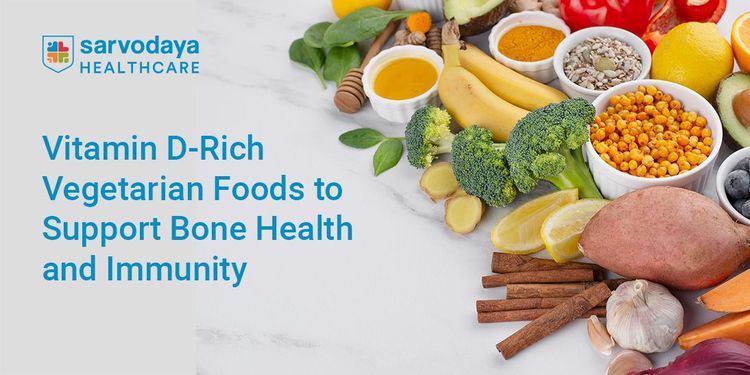


Vitamin D plays a crucial role in maintaining strong bones, healthy muscles, and a resilient immune system. Despite living in a sunny country, vitamin D deficiency has become increasingly common due to indoor lifestyles, limited sun exposure, and dietary gaps. For vegetarians, meeting daily vitamin D requirements can be even more challenging, as many natural sources are animal-based.
In this blog, we explore the importance of vitamin D for overall health, highlight vitamin D-rich vegetarian foods that support bone strength and immunity, and explain how a balanced diet, sunlight exposure, and expert guidance can help maintain optimal vitamin D levels naturally.
Understanding Vitamin D and Its Role in the Body
Vitamin D is a fat-soluble vitamin that helps the body absorb calcium and phosphorus, which are essential minerals for strong bones and teeth. It also plays a significant role in muscle function and immune regulation, helping the body fight infections and reduce inflammation.
Vitamin D contributes to overall health in the following ways:
- Supports calcium absorption and strengthens bones, reducing the risk of fractures
- Helps maintain healthy muscles and joint function
- Boosts immune response and lowers susceptibility to infections
- Aids in reducing fatigue and improving overall energy levels
A prolonged deficiency of vitamin D can lead to bone disorders such as osteoporosis, frequent infections, muscle weakness, and delayed recovery from illnesses.
The Reason Why Vitamin D Deficiency Is Common Among Vegetarians
Vitamin D deficiency is widely observed among vegetarians due to limited dietary sources and lifestyle factors. While plant-based diets offer several health benefits, they often lack sufficient natural vitamin D, making conscious planning essential.
Common causes of vitamin D deficiency among vegetarians include:- Limited availability of natural vegetarian foods high in vitamin D
- Reduced exposure to sunlight due to indoor work routines
- Use of sunscreen and pollution that blocks UVB rays
- Poor absorption caused by digestive or metabolic issues
- Lack of fortified foods in daily meals
Unlike non-vegetarian diets, vegetarian and vegan diets rely heavily on fortified products and sunlight exposure. Without careful dietary choices, even individuals consuming a healthy plant-based diet may struggle to meet daily vitamin D requirements.
Read about also- Vitamin E Deficiency: Causes, Symptoms, and Effective Treatment Options
Best Vitamin D-Rich Vegetarian Foods
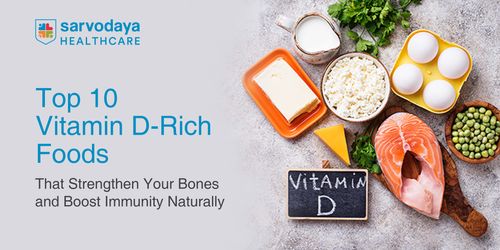
Although natural vegetarian sources of vitamin D are limited, several fortified and plant-based foods can effectively help bridge the nutritional gap. When consumed regularly, these vitamin D-rich vegetarian foods can significantly support bone strength and immune health.
Key vegetarian sources of vitamin D include:- Fortified Milk and Dairy Products: Cow’s milk, curd, and yoghurt fortified with vitamin D are among the most reliable veg foods rich in vitamin D, supporting calcium absorption and bone density.
- Paneer and Cheese: While paneer naturally contains small amounts of vitamin D, fortified dairy versions can contribute to daily intake when consumed in moderation.
- Fortified Breakfast Cereals: Many cereals are enriched with vitamin D, making them convenient foods containing vitamin D for vegetarians, especially when paired with fortified milk.
- Mushrooms Exposed to Sunlight: Mushrooms exposed to UV light are one of the few natural plant-based sources and are considered effective vegetarian foods high in vitamin D.
- Fortified Plant-Based Milk: Soy milk, almond milk, and oat milk fortified with Vitamin D are excellent options, particularly for those seeking vegan foods high in vitamin D.
Including a variety of these vitamin D-rich veg foods ensures a more balanced intake and reduces dependence on supplements alone.
Read about also- Importance of a Balanced Diet Chart: Benefits and Advantages
Vegan Foods High in Vitamin D
For individuals following a completely plant-based diet, meeting vitamin D requirements can feel challenging. However, with the right food choices, it is possible to include adequate vegan foods high in vitamin D in daily meals.
Effective vegan sources of vitamin D include:
- Fortified Plant-Based Milk: Soy milk, almond milk, and oat milk fortified with vitamin D are reliable foods with vitamin D for vegetarians and vegans alike.
- UV-Exposed Mushrooms: Mushrooms such as button and shiitake, when exposed to sunlight, naturally produce vitamin D and are considered valuable vitamin D-rich veg foods.
- Fortified Vegan Spreads: Certain plant-based spreads are enriched with vitamin D and can be included in everyday meals.
- Fortified Cereals and Grains: These are convenient foods containing vitamin D for vegetarians, especially when combined with fortified plant milk.
Reading food labels carefully is essential to ensure adequate vitamin D content.
Read about also-- Vitamin C Foods You Should Eat Daily to Support Immunity
How Sunlight Supports Vitamin D Absorption
Sunlight is one of the most natural and effective ways for the body to produce vitamin D. When the skin is exposed to ultraviolet B rays, it triggers vitamin D synthesis, making sun exposure an important complement to dietary intake.
Key points to understand about sun exposure and vitamin D include:
- Exposure between mid-morning and early afternoon is most effective.
- Around 15–30 minutes of sunlight on arms and face is generally sufficient.
- Skin tone, age, and weather conditions affect vitamin D synthesis.
- Excessive sun exposure should be avoided to protect skin health.
While sunlight is beneficial, it may not always be enough, especially for individuals with indoor lifestyles or during certain seasons. Combining moderate sun exposure with vitamin D-rich vegetarian foods ensures consistent vitamin D levels throughout the year.
Conclusion
Maintaining adequate vitamin D levels is essential for strong bones, healthy muscles, and a resilient immune system. By consistently adding the right foods rich in vitamin D to daily meals, it is possible to prevent deficiency and support long-term wellness.
At Sarvodaya Hospital, Faridabad, patients have access to expert-led nutritional care through its advanced dietetics department. Recognised as a trusted dietetics and nutrition hospital in Faridabad, Sarvodaya Hospital combines clinical expertise, personalised diet planning, and preventive consultation to address nutritional deficiencies effectively. With guidance from the best dietician in Delhi NCR, individuals can manage vitamin D levels through balanced vegetarian diets, lifestyle changes, and evidence-based nutritional strategies that support bone health and immunity.
If you are deficient in vitamin D and are experiencing its symptoms, avail expert guidance to understand how you can add foods with vitamin D to your diet by booking an appointment today.