
Overview
Oesophageal Atresia with Tracheoesophageal Fistula (TEF) is a congenital condition in which the food pipe (oesophagus) does not develop properly and is abnormally connected to the windpipe (trachea). In this condition, the oesophagus may end in a blind pouch instead of connecting to the stomach, while an abnormal passage exists between the trachea and oesophagus.
This leads to serious feeding and breathing difficulties in newborns, as milk can enter the lungs instead of the stomach. It is one of the most important conditions requiring urgent neonatal surgery for swallowing defect.
Understanding oesophageal atresia and tracheoesophageal fistula is critical because early diagnosis and timely oesophageal atresia treatment can prevent life-threatening complications. With modern surgical techniques, outcomes have improved significantly.
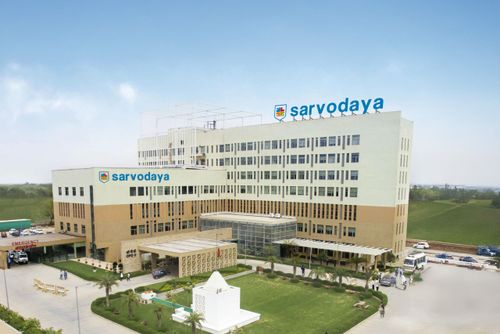
At Sarvodaya Hospital, specialised care is provided at a dedicated paediatric surgery hospital in Delhi NCR, supported by experienced paediatric surgeons and advanced neonatal intensive care.
Symptoms of TEF in Newborns
- Excessive drooling or saliva
- Difficulty feeding
- Coughing or choking during feeding
- Bluish discoloration (cyanosis) during feeding
- Breathing difficulty
- Vomiting or regurgitation
- Abdominal distension
Causes of Oesophageal Atresia and TEF
- Failure of oesophagus and trachea to separate properly
- Genetic factors in some cases
- Associated congenital anomalies (heart, kidney, spine)
- Environmental or developmental factors during fetal growth
Diagnosis of Oesophageal Atresia
Early and precise diagnosis of oesophageal atresia is essential for timely surgical care and improved survival. Evaluation at a neonatal surgery hospital in Noida ensures rapid assessment and specialised newborn management.
- Clinical Evaluation: Newborns are assessed for feeding difficulty, excessive drooling, coughing, and respiratory distress. Early recognition of these symptoms helps initiate urgent evaluation and referral for specialised neonatal care.
- Feeding Tube Test: Inability to pass a feeding tube into the stomach is a key diagnostic indicator of oesophageal atresia, helping clinicians quickly suspect the condition and proceed with confirmatory imaging.
- X-ray Imaging: X-ray confirms diagnosis by showing the position of the feeding tube and identifying the presence of tracheoesophageal fistula, guiding further surgical planning and intervention strategies.
- Ultrasound and Echocardiography: These tests help detect associated congenital anomalies, especially involving the heart and other organs, ensuring comprehensive evaluation before planning TEF surgery in newborn for optimal outcomes.
Treatment Options for Oesophageal Atresia with TEF
Definitive treatment of tracheoesophageal fistula requires timely surgical correction and specialised neonatal care. Management at a paediatric surgery hospital in delhi ncr ensures advanced support and improved surgical outcomes.
- Emergency Stabilisation: Before surgery, the newborn is stabilised to prevent complications. Measures include continuous suction of secretions, proper positioning to avoid aspiration, and oxygen or respiratory support as required.
- Surgery for TOF: TEF surgery in newborn involves closing the abnormal connection between the trachea and oesophagus, and reconnecting the oesophagus to the stomach to restore normal swallowing and feeding function.
- Specialised Neonatal Procedure: This is a complex neonatal surgery for swallowing defect, performed by experienced paediatric surgeons using advanced techniques to ensure precision, safety, and optimal functional outcomes for the newborn.
- Post-Surgical Care: After surgery, the baby is monitored in the NICU with gradual feeding initiation, infection prevention measures, and respiratory support if needed, ensuring safe recovery and long-term health.
Role of Early Intervention by Paediatric Surgeon
A paediatric surgeon should assess oesophageal atresia with tracheo-oesophageal fistula (TEF) immediately after birth to ensure timely and safe treatment. Early diagnosis helps prevent aspiration, choking, feeding difficulty, and serious breathing complications that can affect the newborn’s health.
Prompt intervention supports proper stabilisation and timely planning for TEF surgery in newborn cases. It also helps manage feeding safely before surgery and reduces the risk of infection or lung damage.
Consulting experienced specialists at a paediatric surgery hospital in Delhi NCR ensures precise diagnosis, personalised treatment planning, early parental counselling, faster recovery, and healthier long-term growth after surgery.
Prevention & Life Considerations
TEF cannot be prevented, but early detection and timely care are crucial. Evaluation at a neonatal surgery hospital in Noida and guidance from a paediatric surgeon in Delhi NCR ensure prompt diagnosis and effective management.
- Regular Prenatal Check-ups: Routine antenatal visits and ultrasounds help monitor fetal development and may raise suspicion of congenital anomalies, allowing better planning for specialised neonatal care immediately after birth.
- Awareness of Congenital Anomalies: Understanding warning signs such as excessive amniotic fluid during pregnancy or feeding difficulties after birth helps in recognising potential oesophageal abnormalities early.
- Early Neonatal Screening: Immediate post-birth screening helps identify feeding issues, drooling, or respiratory distress, enabling early diagnosis and referral for specialised surgical care.
- Parental Awareness of Symptoms: Parents should watch for signs like choking during feeding, persistent coughing, or inability to swallow, which may indicate TEF and require urgent medical evaluation.
- Timely Medical Consultation: Prompt consultation with specialists ensures early intervention, reducing complications and improving surgical outcomes in newborns diagnosed with oesophageal atresia and tracheoesophageal fistula.
Pre–Post Treatment Care
Pre-Treatment
- Immediate neonatal evaluation
- Stabilisation in NICU
- Diagnostic imaging
Post-Treatment
- Gradual feeding and nutrition support
- Monitoring for complications
- Regular paediatric follow-ups
- Growth and development assessment