
Overview
Hirschsprung’s disease, also known as congenital megacolon, is a condition present at birth in which nerve cells (ganglion cells) are missing in a part of the intestine. This results in the affected segment being unable to relax, causing blockage of stool movement and leading to bowel obstruction in newborn.
This intestinal nerve disorder baby condition affects the large intestine and can cause severe constipation, abdominal swelling, and feeding difficulties in infants. Without timely treatment, it may lead to serious complications such as infection or intestinal rupture.
Early diagnosis and prompt Hirschsprung disease treatment are essential for a child’s growth and development. With advances in pediatric bowel surgery, most children can achieve normal bowel function after treatment.
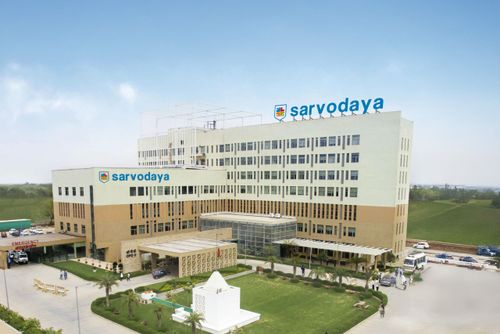
At Sarvodaya Hospital, specialised care is provided at a leading paediatric surgery hospital in Delhi NCR, supported by experienced paediatric surgeons and advanced neonatal care facilities.
Symptoms of Hirschsprung’s Disease in Newborns
- Failure to pass meconium (first stool) within 48 hours
- Abdominal swelling or distension
- Vomiting, sometimes green (bilious)
- Feeding difficulties
- Severe constipation
- Irritability or lethargy
Causes of Hirschsprung’s Disease
- Failure of nerve cells to migrate during fetal development
- Genetic factors (family history may increase risk)
- Associated congenital conditions (such as Down syndrome)
Diagnosis of Hirschsprung’s Disease
Accurate diagnosis of Hirschsprung’s disease is essential for timely intervention and improved outcomes. Evaluation at a paediatric surgery hospital in delhi ncr ensures specialised assessment and comprehensive neonatal care.
- Clinical Evaluation: Doctors assess symptoms such as delayed passage of meconium, abdominal swelling, constipation, and feeding issues. Early consultation with a child specialist for constipation helps identify warning signs and initiate further testing.
- Abdominal X-ray: An abdominal X-ray helps detect intestinal obstruction, bowel dilation, and air-fluid levels, providing initial clues that support the diagnosis of Hirschsprung’s disease in infants and children.
- Contrast Enema: This imaging test highlights the affected segment of the intestine by showing a transition zone between normal and narrowed bowel, helping guide diagnosis and surgical planning.
- Rectal Biopsy: Rectal biopsy is the gold standard test, confirming absence of nerve cells in the affected bowel segment, which establishes the diagnosis and guides definitive surgical treatment.
Treatment Options for Hirschsprung’s Disease
Definitive treatment for congenital megacolon involves surgical removal of the affected bowel segment. Care at a best hospital for pediatric surgery ensures advanced techniques, safety, and improved long-term outcomes.
- Surgery for Hirschsprung’s Disease: Surgical intervention is the primary treatment approach, aiming to remove the diseased portion of the intestine and restore normal bowel function for improved digestion and quality of life.
- Pull-Through Surgery: This is the most commonly performed procedure where the affected segment is removed, and the healthy intestine is connected to the anus, allowing normal passage of stool after recovery.
- Staged Surgery (in Severe Cases): In complex cases, a temporary colostomy may be created to allow stool diversion before performing definitive surgery, ensuring safer correction and reducing surgical risks.
- Post-Surgical Care: Careful monitoring after surgery includes gradual feeding, infection prevention, and bowel function assessment, helping ensure proper healing and reducing the risk of complications.
- Long-Term Follow-Up: Regular follow-up is essential to monitor bowel habits, nutrition, and growth, ensuring early detection of any complications and supporting overall recovery and healthy development in children.
Role of Early Intervention by Paediatric Surgeon
A paediatric surgeon should evaluate Hirschsprung’s disease at the earliest to ensure timely diagnosis and effective treatment. Early intervention helps prevent severe constipation, bowel obstruction in newborn, abdominal swelling, and complications such as infection, enterocolitis, or bowel damage.
Prompt assessment allows timely planning for pull-through surgery when required and supports better feeding, digestion, and healthy growth in infants. Early treatment also improves the overall success of pediatric bowel surgery and long-term bowel function.
Consulting experienced specialists at a paediatric surgery hospital in Delhi NCR ensures accurate diagnosis, personalised care planning, parental counselling, faster recovery, and better quality of life for the child.
Prevention & Life Considerations
Hirschsprung’s disease cannot be prevented, but early detection improves outcomes. Awareness and timely care at a paediatric surgery hospital in Delhi NCR support early diagnosis and effective Hirschsprung disease treatment in India.
- Awareness of Newborn Symptoms: Parents should watch for signs like delayed stool passage, abdominal swelling, vomiting, or feeding difficulty, which may indicate Hirschsprung’s disease and require immediate medical evaluation.
- Early Medical Consultation: Prompt consultation with a specialist helps confirm diagnosis early and initiate timely treatment, reducing the risk of complications and improving surgical outcomes.
- Regular Paediatric Check-ups: Routine check-ups help monitor growth, digestion, and bowel habits, enabling early identification of abnormalities and ensuring timely referral for further evaluation if needed.
- Parental Education and Monitoring: Educating parents about warning signs and tracking bowel patterns in infants helps in early recognition of symptoms and ensures quick medical intervention when required.
- Timely Referral to Specialists: Early referral to paediatric surgeons ensures accurate diagnosis, appropriate surgical planning, and comprehensive care for better recovery and long-term health outcomes.
Pre–Post Treatment Care
Pre-Treatment
- Early consultation with a paediatric surgeon
- Diagnostic evaluation and imaging
- Stabilisation of the newborn
Post-Treatment
- Nutritional support
- Monitoring bowel movements
- Regular follow-ups
- Parental guidance on care