
Overview
Spinal Muscular Atrophy (SMA) is a rare genetic muscular atrophy disease that affects the nerve cells in the spinal cord responsible for controlling voluntary muscle movement. In this condition, the loss of motor neurons leads to progressive muscle weakness and wasting, affecting activities such as sitting, walking, breathing, and swallowing.
Also referred to as SMA disease or SMA disorder, this condition primarily affects infants and children, although some forms can appear later in life. The severity varies widely, ranging from mild muscle weakness to life-threatening complications in severe cases.Early diagnosis and timely spinal muscular atrophy treatment are critical to improving outcomes and quality of life. With advancements in medical science, effective therapies are now available, including SMA treatment in India at specialised centres.
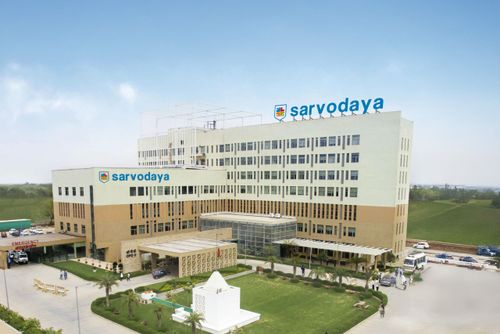
At Sarvodaya Hospital, patients receive advanced neurological care at a leading best neurology hospital in Delhi NCR, supported by experienced neurologists and access to specialised genetic disorder management.
Symptoms of Spinal Muscular Atrophy
- Muscle weakness, especially in arms and legs
- Poor muscle tone (floppiness in infants)
- Difficulty sitting, standing, or walking
- Delayed motor milestones
- Breathing difficulties
- Difficulty swallowing or feeding
- Muscle twitching or tremors
Causes of Spinal Muscular Atrophy
- Mutation in the SMN1 gene (Survival Motor Neuron gene)
- Inherited in an autosomal recessive pattern
- Both parents must carry the defective gene
- Deficiency of SMN protein leading to degeneration of motor neurons
- Genetic deletions or alterations affecting chromosome 5 (5q region)
- Rare cases may involve mutations in other related genes affecting motor neuron function
Diagnosis of Spinal Muscular Atrophy
Accurate diagnosis of spinal muscular atrophy is essential for early intervention, genetic counselling, and treatment planning. Evaluation at a best hospital for genetic disorders in India ensures precise and timely diagnosis.
- Clinical Evaluation: Doctors assess muscle weakness, delayed developmental milestones, reduced muscle tone, and family history to identify early signs suggestive of spinal muscular atrophy.
- Genetic Testing: Genetic testing confirms mutation or deletion in the SMN1 gene and is considered the gold standard for definitive diagnosis of spinal muscular atrophy.
- Electromyography (EMG): EMG evaluates electrical activity of muscles and helps detect nerve-muscle communication abnormalities associated with motor neuron disorders.
- Muscle Biopsy (rare cases): In rare or unclear cases, muscle biopsy may be performed to examine muscle tissue and support diagnosis.
- Prenatal Testing: Prenatal genetic testing is available for families with known risk, allowing early detection and counselling during pregnancy.
Treatment Options for Spinal Muscular Atrophy
Advances in medical science have significantly improved outcomes in spinal muscular atrophy, focusing on slowing disease progression, improving motor function, and enhancing quality of life. Care at the best neuro hospital in India ensures comprehensive management.
- Gene Therapy: Gene therapy targets the underlying genetic defect by restoring SMN protein production, helping improve motor function and survival in patients with spinal muscular atrophy.
- Disease-Modifying Therapies: These medications increase the production of survival motor neuron protein, slowing disease progression and improving muscle strength and functional abilities.
- Supportive Care: Includes respiratory support, nutritional management, and regular monitoring to maintain overall health and prevent complications associated with muscle weakness.
- Physiotherapy and Rehabilitation: Structured therapy programs help improve mobility, enhance muscle strength, prevent contractures, and support daily functioning in affected individuals.
- Multidisciplinary Care: A coordinated team of neurologists, pulmonologists, physiotherapists, and nutritionists ensures holistic care and long-term management for better patient outcomes.
Prevention & Lifestyle Modifications
While spinal muscular atrophy cannot be prevented, genetic counselling plays a crucial role in reducing risk and enabling informed decisions. Consultation at the best hospital for genetic disorders in India ensures accurate guidance and screening.
- Carrier screening before pregnancy: Genetic testing helps identify carriers of the SMN1 gene mutation, allowing couples to understand their risk of having a child with spinal muscular atrophy.
- Prenatal genetic testing: Prenatal tests can detect SMA in the fetus during pregnancy, enabling early diagnosis and appropriate medical counselling for parents.
- Family planning guidance: Genetic counselling guides reproductive options, helping families make informed decisions to reduce the risk of passing the condition to future children.
- Newborn screening: Early screening after birth helps detect SMA promptly, allowing early intervention and improved treatment outcomes.
- Awareness of family history: Understanding genetic history within the family helps identify at-risk individuals and supports timely genetic evaluation and counselling.
Pre–Post Treatment Care
Pre-Treatment
- Early consultation with a neurologist
- Genetic testing and evaluation
- Assessment of disease severity
Post-Treatment
- Regular physiotherapy
- Respiratory and nutritional support
- Monitoring disease progression
- Routine follow-ups with a neurologist