


When you hear that cancer surgery can now be done with a robot, the first question is often simple: Does the robot actually operate on the patient?
The answer may surprise you.
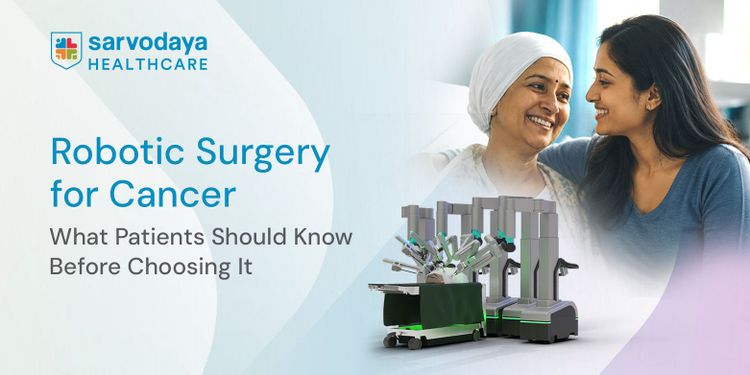
Robotic cancer surgery does not mean a machine independently finds or removes the tumour. A trained surgeon controls the robotic system throughout the procedure, using a high-definition view and specialised instruments to operate through small incisions.
But what does that actually change for a person with cancer? Can robotic surgery remove the tumour safely? Does it increase the risk of cancer spreading? And is it better than traditional surgery?
The answers depend on the type, location and stage of cancer, as well as the patient's overall health and the surgeon's assessment. Understanding how robotic surgery works can help you have a more informed conversation with your cancer team.
What Is Robotic Surgery for Cancer?
Robotic surgery is a form of minimally invasive surgery. Instead of making one large incision to reach the tumour, the surgeon usually works through several smaller openings.
A small camera enters through one of these openings and gives the surgeon a magnified, three-dimensional view of the area being operated on. Other openings allow specialised surgical instruments to reach the tumour.
The surgeon sits at a console and controls these instruments throughout the procedure.
So, where is the robot involved?
The robotic system translates the surgeon's hand movements into precise movements of the surgical instruments inside the body. It does not make decisions or perform the operation on its own.
This gives the surgeon better visualisation and allows the instruments to move with flexibility inside small or difficult-to-reach spaces.
Can Robotic Surgery Remove Cancer Without Spreading It? Myths, Facts & What Every Patient Should Know
One of the biggest myths about robotic cancer surgery is that using robotic instruments around a tumour could disturb cancer cells and make them spread.
Robotic surgery does not work that way. The robot does not independently move around the tumour or make decisions. The surgeon controls every movement and performs the operation according to established cancer-surgery principles.
In fact, robotic technology can give the surgeon greater visualisation, control and precision during selected cancer operations.
What does robotic technology add to cancer surgery?
Think of a tumour located in a narrow area, close to important nerves, blood vessels or other healthy structures. The surgeon needs to remove the cancer while working carefully around everything that needs to be preserved.
This is where technology can make a difference.
- A magnified 3D view gives the surgeon a much clearer view of the operating area.
- Flexible robotic instruments can move through small spaces and bend in ways that conventional straight instruments cannot.
- Fine control of movements helps the surgeon perform delicate steps with greater precision.
- Small surgical openings can reduce the amount of tissue disruption associated with some open procedures.
The aim is not simply to make smaller cuts. It is to help the surgeon see better, reach difficult areas and control the instruments more precisely while removing the cancer.
Does this mean robotic surgery can remove cancer more safely?
For appropriately selected patients, the technology can support a more precise and controlled operation. It may help surgeons work around delicate structures while maintaining the focus on complete and safe cancer removal.
But robotic surgery is a tool in the surgeon's hands, not a replacement for surgical expertise.
The surgeon still decides how the tumour should be approached, what needs to be removed and whether robotic surgery is the right choice for that particular cancer.
That is what makes robotic surgery an important step forward: the technology does not replace the surgeon. It gives the surgeon more control, better vision and greater precision to perform the surgery.
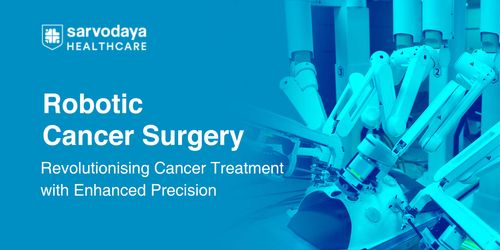
Read More - Robotic Cancer Surgery: Revolutionising Cancer Treatment with Enhanced Precision
Which Cancers Can Be Treated With Robotic Surgery?
Robotic surgery is used for selected cancers where a minimally invasive approach can provide a suitable route to the tumour.
It may be considered in procedures involving cancers such as:
- Prostate cancer
- Kidney cancer
- Bladder cancer
- Colorectal cancers
- Gynaecological cancers
- Selected cancers involving the chest and other areas
The list is not a simple checklist. Two patients with the same type of cancer may still receive different surgical approaches.
Doctors consider the stage, size and location of the tumour, whether it has spread, previous treatments and the patient's overall health before recommending robotic surgery.
Robotic Surgery vs Open Surgery: What Is the Difference?
The biggest difference is how the surgeon reaches the tumour.
| Robotic Surgery | Open Surgery |
|---|---|
| Uses several small incisions | Usually uses one larger incision |
| Surgeon controls specialised robotic instruments | Surgeon operates directly through the surgical opening |
| Provides magnified 3D visualisation | Provides direct visual and physical access |
| Instruments can move with greater flexibility | Conventional surgical instruments are used |
| May allow less tissue disruption in suitable procedures | May provide better access for some complex or extensive cancers |
Neither approach is automatically better for every patient.
The surgeon chooses the method that offers the safest and most effective way to treat the cancer.
What Matters Most When Choosing Robotic Cancer Surgery?
Technology is important, but the robot should not be the only thing you evaluate.
Before choosing a surgical approach, ask your cancer team:
- Is robotic surgery suitable for my type and stage of cancer?
- What is the goal of the operation?
- What are the alternatives to robotic surgery?
- What are the expected benefits and risks?
- How experienced is the surgical team with this particular cancer procedure?
- Will I need chemotherapy, radiation or other treatment before or after surgery?
A robotic system is a surgical tool. The surgeon's judgement, experience and understanding of your cancer remain central to the treatment.
Robotic Cancer Surgery at Sarvodaya Hospital
At Sarvodaya Hospital, robotic surgery forms part of a multidisciplinary approach to cancer care. The surgical team works with other cancer specialists to evaluate the tumour and determine the most appropriate treatment plan for each patient.
Robotic-assisted procedures may be considered when the patient's cancer, anatomy and overall condition make a minimally invasive approach appropriate.
The focus remains on the same principle throughout: use the right surgical approach for the right patient, with cancer control and patient safety at the centre of the decision.