
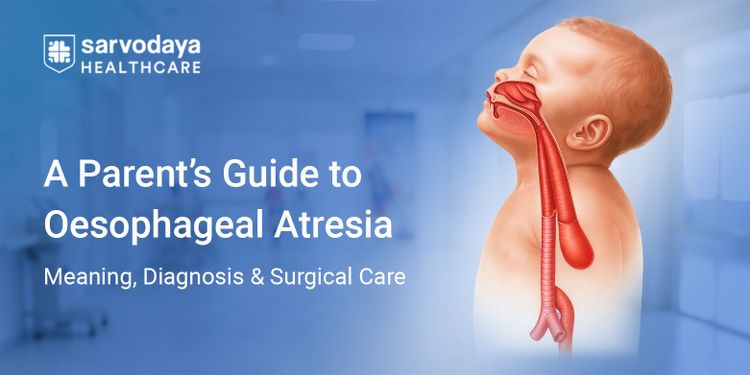


The diagnosis of oesophageal atresia in a newborn can be emotionally overwhelming for parents. This congenital condition affects a baby’s ability to swallow and breathe properly, making expert medical care crucial from the very first hours of life. Early identification and timely treatment not only prevent complications but also support a child’s healthy development in the long run.
In this blog, we discuss oesophageal atresia, explore its causes, symptoms and available treatment options and explain how early medical intervention can be life-saving.
Understanding Oesophageal Atresia
Oesophageal atresia is a congenital disability in which the oesophagus, the tube that carries food from the mouth to the stomach, does not develop fully. Instead of forming one continuous passage, the tube ends in a pouch, preventing milk from reaching the stomach. In many newborns, this condition occurs along with a connection between the oesophagus and the trachea, known as tracheo-oesophageal fistula (TEF), which increases the risk of choking and breathing difficulties.
To understand oesophageal atresia more clearly, imagine the oesophagus in two separate segments rather than one continuous tube. When a baby attempts to feed, milk cannot reach the stomach and often enters the airway, which makes this condition a medical emergency requiring immediate diagnosis and treatment.
Causes of Esophageal Atresia
The exact cause of oesophageal atresia is not fully understood, but research indicates that it develops during early foetal growth when the upper digestive system does not form correctly. Although the condition can affect any pregnancy, certain factors may increase the risk.
Below are some common contributors identified by specialists:
- Genetic or chromosomal abnormalities
- Maternal diabetes
- Environmental or pregnancy-related influences
- Family history of congenital birth conditions
In some cases, oesophageal atresia causes may also be linked with congenital anomalies affecting the heart, kidneys or limbs. While parents often worry whether they did something wrong during pregnancy, it is important to know that this condition is not caused by anything the parents intentionally did or did not do.
Types of Oesophageal Atresia
Doctors classify the condition based on the structure of the oesophagus and the presence or absence of a connection to the windpipe.
The four commonly identified types are:
- The upper and lower oesophagi do not connect, and no additional openings exist.
- The upper oesophagus ends in a pouch, while the lower part is connected to the windpipe.
- Both the upper and lower segments connect separately to the windpipe.
- The oesophagus is fully narrowed but remains continuous.
Among these, the most frequently diagnosed condition is tracheo-oesophageal fistula (TEF), where abnormal communication between the oesophagus and the trachea makes feeding and breathing extremely difficult.
Symptoms of Oesophageal Atresia
The signs of oesophageal atresia usually become evident immediately after birth, especially during the baby’s first feeds. Because milk cannot pass through the oesophagus into the stomach, it collects in the throat and may enter the airways, which signals the need for urgent medical attention.
Parents and caregivers can look out for the following early warning signs:
- Excessive drooling or saliva
- Coughing or choking during feeding
- Bluish skin tone during or after feeds due to lack of oxygen
- Difficulty breathing or rapid breathing pattern
- Failure to swallow milk properly
- Inflated abdomen due to air entering the stomach in cases of tracheo-oesophageal fistula (TEF)
If a newborn shows any of these signs, immediate evaluation by a paediatric specialist is necessary.
Diagnosis
Doctors diagnose oesophageal atresia by performing examinations designed to check the baby’s swallowing and airway function.
Additional diagnostic tools may include:
- Chest and abdominal X-ray to observe the location of the feeding tube
- Imaging studies to evaluate the presence of tracheo-oesophageal fistula (TEF)
- Assessment of breathing patterns and oxygen levels
- Physical observation of feeding response
Early diagnosis not only prevents risk but also increases the long-term success of oesophageal atresia treatment, allowing newborns to begin recovery as soon as possible under the care of specialised paediatric professionals.
Oesophageal Atresia Treatment Options
The surgery aims to ensure the baby can swallow and digest normally while safeguarding the airway.
Treatment typically involves:
- Closing the abnormal connection to the windpipe when a tracheo-oesophageal fistula (TEF) is present
- Reconnecting the two ends of the oesophagus to restore a continuous passage
- Monitoring breathing and feeding ability immediately after surgery
- Providing nutritional support until the newborn can feed safely by mouth
In babies born with a wider gap, such as those diagnosed with transesophageal atresia, surgeons may need a staged surgery to lengthen the oesophagus before final repair gradually.
Recovery and Long-Term Care
Recovery is a gradual process, and although most infants grow up to live perfectly normal lives, they benefit from long-term medical guidance during their developmental years.
Important areas of aftercare include:
- Specialised feeding plans to prevent swallowing difficulties
- Regular assessments to check oesophageal growth and stomach function
- Management of occasional reflux or narrowing of the surgical area, if present
- Emotional reassurance and guidance for parents adapting to postoperative care
Follow-ups with the best paediatrician in Faridabad help ensure a healthy recovery, steady weight gain and reduced risk of future complications.
Conclusion
Oesophageal atresia can be frightening for parents to face, especially when it is diagnosed in the first hours of a newborn’s life. However, with the right medical guidance and timely surgery, babies recover well and go on to lead healthy childhoods.
Sarvodaya Hospital, Faridabad, stands out as one of the leading centres for managing oesophageal atresia with a dedicated paediatric surgical team, advanced NICU support and a family-centred approach. The hospital is equipped to diagnose all oesophageal atresia types, manage conditions linked with tracheo-oesophageal fistula (TEF) and perform complex surgeries associated with transesophageal atresia.
To take the first step towards expert guidance and reassurance, you can book an appointment now with a paediatric specialist and ensure the safest path to recovery for your newborn.