
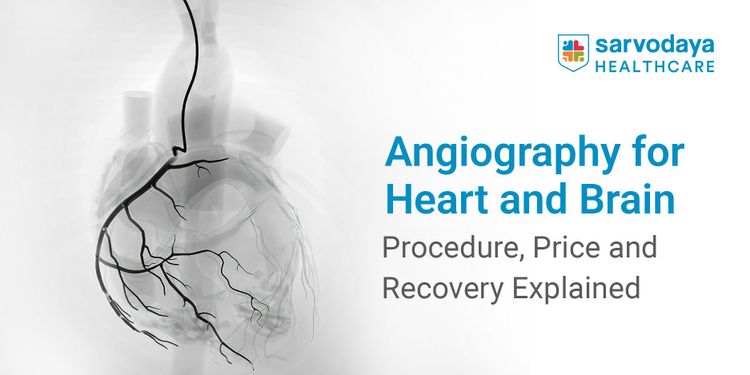


Heart and brain-related vascular conditions are rising steadily in India, making early and accurate diagnosis more important than ever. Whether it is chest pain, shortness of breath, recurring headaches, or unexplained neurological symptoms, angiography helps doctors identify blood vessel blockages or abnormalities before they turn life-threatening.
In this blog, we explain the meaning of angiography, the procedure for angiography, different types of angiography tests, and the angiography test price in India.
Angiography: Meaning and Purpose
Angiography refers to a specialised medical imaging test used to visualise blood vessels inside the body. It involves the use of contrast dye and advanced imaging techniques to show arteries, veins, and capillaries clearly. Angiography allows doctors to detect narrowing, blockages, abnormal dilations, or structural defects in blood vessels that may not be visible through routine scans.
Angiography is typically recommended for the following purposes:
- To identify blockages in the coronary arteries during angiography for heart evaluation
- To detect aneurysms, clots, or abnormal vessels during the angiography of the brain assessment
- To assess blood vessel damage after trauma or stroke
- To guide treatment decisions such as angioplasty, stenting, or surgery
Procedure for Angiography
Angiography is minimally invasive and designed to provide accurate images of blood vessels with minimal discomfort to the patient. Before the test, doctors evaluate the patient’s medical history, medications, and allergy profile to ensure safety.
To help patients understand it clearly, the key steps involved are outlined below:
- The patient is prepared and placed under local anaesthesia at the insertion site, usually the wrist or groin.
- A thin catheter is gently inserted into a blood vessel and guided towards the area being examined.
- A contrast dye is injected through the catheter to highlight blood vessels on imaging.
- Special X-ray images are taken to observe blood flow and detect any blockages or abnormalities.
- Once imaging is complete, the catheter is removed, and the insertion site is secured.
Most individuals are monitored for a few hours after the test and can usually return home the same day, unless further intervention is required.
Read More- Rising Heart Disease Risk in Young Adults: Causes, Early Signs and Preventive Strategies
Types of Angiography Tests
The type of angiography recommended depends on the symptoms, clinical findings, and suspected condition.
Angiography for Heart
Angiography for the heart is commonly performed to evaluate coronary artery disease. It helps cardiologists assess blood flow to the heart muscles and identify blockages that may cause chest pain, shortness of breath, or heart attacks. This test is often advised when stress tests or ECG findings indicate reduced blood supply to the heart.
Coronary angiography plays a vital role in deciding the next line of treatment. Based on the results, doctors may recommend medication, angioplasty with stenting, or bypass surgery. Consulting a skilled cardiologist in Faridabad ensures accurate interpretation of results and timely intervention.
Angiography of the Brain
Angiography of the brain is used to examine blood vessels supplying the brain. It helps detect conditions such as aneurysms, arteriovenous malformations, narrowing of arteries, or blood clots that may lead to stroke or neurological deficits. This test provides detailed images that are crucial for planning neurosurgical or interventional surgeries.
Patients experiencing unexplained headaches, vision disturbances, or stroke-like symptoms are often advised to undergo cerebral angiography. When performed at a specialised centre with expert care, angiography of the brain offers high diagnostic accuracy with minimal risk.
Angiography Test Cost in India
One of the most common concerns among patients is understanding the angiography test cost in India. The price can vary depending on several medical and infrastructural factors, and it is important to remember that angiography is not a one-size-fits-all test.
Patients should also note that undergoing angiography at a reputable hospital often includes a comprehensive pre-surgery evaluation, advanced imaging technology, and close post-surgery monitoring. While such facilities may appear slightly higher in cost, they significantly improve diagnostic accuracy and patient safety.
Factors Affecting Angiography Test Price
The final price is influenced by multiple factors that patients should be aware of before planning the test.
Some of the key elements that affect the angiography test price include:
- Type of angiography performed, such as angiography for the heart or angiography of the brain
- Use of advanced imaging systems and contrast materials
- Experience and expertise of the specialist performing the test
- Hospital infrastructure and the level of care provided
- Duration of hospital stay and observation requirements
Consulting a trusted cardiologist in Noida allows patients to understand the test, associated costs, and the most suitable treatment pathway based on angiography findings.
Read More- Open Heart Surgery - Procedure, Types, Recovery & Risks
Safety, Risks, and Recovery After Angiography
Angiography is considered a safe diagnostic test provided that it is conducted by qualified specialists in a well-equipped healthcare centre. Similar to any medical test, it carries minimal risks, yet severe complications are rare.
Some common side effects may include slight soreness at the insertion site of the catheter or a brief warm sensation during contrast injection. These usually resolve after a short time.
Recovery After Angiography
After the test, patients are monitored for a couple of hours after the test to determine that the vital signs are stable and are healing at the point of insertion.
Recovery measures normally recommended to patients are:
- Avoid strenuous physical activity for at least 24 hours.
- Drink plenty of fluids to help flush out the contrast dye.
- Monitor the insertion site for swelling or redness.
- Follow the medication and follow-up instructions provided by the doctor.
Conclusion
Angiography remains one of the most reliable diagnostic tools for identifying blood vessel-related conditions affecting the heart and brain. Early diagnosis through angiography often prevents complications and allows doctors to plan timely and effective treatment.
Sarvodaya Hospital, Faridabad, is widely recognised for its patient-centric approach and advanced cardiac care services. As a leading centre associated with the best cardiology hospital in India, Sarvodaya Hospital offers state-of-the-art diagnostic facilities, experienced specialists, and comprehensive post-procedure care. Patients undergoing angiography for heart or neurological evaluation benefit from precise imaging, expert interpretation, and personalised treatment plans.
Take the first step towards better health and book an appointment now to receive expert guidance, preventive evaluation, and personalised care tailored to your condition.Our Specialists Also Available Here
Cardiologist in Greater Noida
Cardiologist in Faridabad
Cardiologist in Delhi NCR