
Overview
Shoulder Replacement Surgery is an orthopaedic procedure used to replace damaged parts of the shoulder joint with an artificial implant. It may be recommended when severe joint damage causes persistent pain, stiffness, weakness, or difficulty performing everyday activities despite non-surgical treatment.
At Sarvodaya Hospital, we provide comprehensive Shoulder Replacement Treatment, including total, partial, and reverse shoulder replacement procedures. Our orthopaedic team evaluates the condition of the shoulder joint, extent of damage, age, activity level, and overall health to recommend an appropriate treatment plan.
Why Is Shoulder Replacement Surgery Required?
Shoulder replacement may be required when severe joint damage causes persistent shoulder pain, stiffness, reduced movement, or loss of shoulder function. Common causes include advanced shoulder arthritis, severe joint degeneration, complex fractures, and damage to the rotator cuff.
Our team evaluates patients who continue to experience symptoms despite medicines, physiotherapy, injections, or other conservative treatments. The aim is to relieve pain, restore useful shoulder movement, and improve the ability to perform daily activities.
Shoulder Replacement Procedure
The Shoulder Replacement Surgery Procedure begins with a detailed clinical assessment and imaging to understand the condition of the joint and surrounding structures.
Under anaesthesia, the surgeon accesses the shoulder joint and removes the damaged portions of the joint. Depending on the selected procedure, the damaged humeral head, shoulder socket, or both may be replaced with prosthetic components.
The implant is positioned carefully to restore joint movement and stability. The surgical area is then closed, and the patient is transferred for post-operative monitoring.
The exact surgical approach depends on the type and severity of shoulder damage and the patient's individual anatomy.
Who Is a Suitable Candidate?
A patient may be considered for shoulder replacement when severe joint damage causes persistent pain and functional limitation that has not improved adequately with non-surgical treatment.
Suitability depends on the underlying condition, joint damage, rotator cuff function, bone quality, overall health, activity requirements, and expectations from surgery. A detailed orthopaedic evaluation and imaging are required before deciding whether Shoulder Joint Replacement is appropriate.
Benefits of Shoulder Replacement Surgery
- Pain Relief: Replacing severely damaged joint surfaces can significantly reduce pain caused by advanced arthritis or other joint conditions.
- Improved Shoulder Movement: Treatment can improve useful shoulder movement and make everyday activities easier for appropriately selected patients.
- Better Shoulder Function: Restoring the joint structure can help improve functional use of the arm and shoulder.
- Improved Quality of Life: Reduced pain and improved movement can help patients return to more comfortable daily routines.
- Personalised Treatment: Different replacement options allow surgeons to select a procedure according to the patient's joint condition, rotator cuff function, and individual requirements.
Technology and Infrastructure
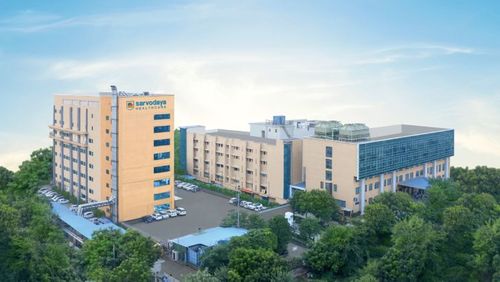
Sarvodaya Hospital provides advanced infrastructure for Shoulder Implant Surgery, supported by modern imaging, specialised orthopaedic operation theatres, advanced anaesthesia systems, and real-time patient monitoring.
Our orthopaedic services are supported by specialised surgical instruments, implant systems, physiotherapy facilities, and post-operative rehabilitation services. The team includes orthopaedic surgeons, anaesthetists, physiotherapists, and rehabilitation specialists who coordinate care from pre-operative evaluation through recovery.
Minimally Invasive Shoulder Replacement and Recovery Support
Where clinically appropriate, surgeons may use tissue-preserving surgical approaches to minimise unnecessary disruption to surrounding structures. The exact approach depends on the shoulder condition, implant requirements, and surgical complexity.
Post-operative physiotherapy is an important part of recovery. Rehabilitation focuses on gradually restoring movement, strength, and shoulder function while protecting the healing joint.
Shoulder Replacement Recovery
Shoulder Replacement Recovery Time varies depending on the type of surgery, general health, and rehabilitation progress.
Patients usually begin supervised movement exercises after surgery as advised by the orthopaedic team. Physiotherapy is gradually progressed to improve flexibility, strength, and functional movement.
Many patients can gradually resume routine activities over several weeks, while complete recovery and maximum improvement may take several months. Heavy lifting and demanding shoulder activities should be avoided until the treating surgeon provides clearance.
Post-Treatment Lifestyle Modifications
- Follow Physiotherapy: Continue the prescribed rehabilitation programme to gradually restore shoulder movement, strength, and functional use.
- Protect the Shoulder: Avoid heavy lifting, sudden movements, and activities that place excessive stress on the healing joint until medically cleared.
- Maintain a Healthy Weight: Maintaining a healthy weight can support overall musculoskeletal health and make daily physical activity easier.
- Follow Medication Instructions: Take prescribed medicines as directed and report unusual pain, swelling, fever, or other concerns to your healthcare team.
- Attend Follow-up Appointments: Regular reviews allow the orthopaedic team to assess healing, shoulder movement, implant function, and rehabilitation progress.
Why Choose Sarvodaya Hospital for Shoulder Replacement Surgery?
- Experienced Orthopaedic Team: Our orthopaedic specialists provide comprehensive evaluation and surgical management for complex shoulder conditions.
- Multiple Replacement Options: We offer total, partial, and reverse shoulder replacement options based on individual joint damage and functional requirements.
- Advanced Orthopaedic Infrastructure: Modern operation theatres, imaging, implant systems, anaesthesia, monitoring, and rehabilitation facilities support comprehensive surgical care.
- Multidisciplinary Rehabilitation: Orthopaedic surgeons, anaesthetists, physiotherapists, and rehabilitation specialists work together throughout the treatment journey.
- Personalised Treatment Planning: We assess the patient's condition, anatomy, lifestyle, functional requirements, and overall health before recommending the appropriate procedure.
- Comprehensive Recovery Support: Post-operative monitoring, physiotherapy, rehabilitation, and follow-up care are integrated into the treatment pathway.
Reviewed & Updated On
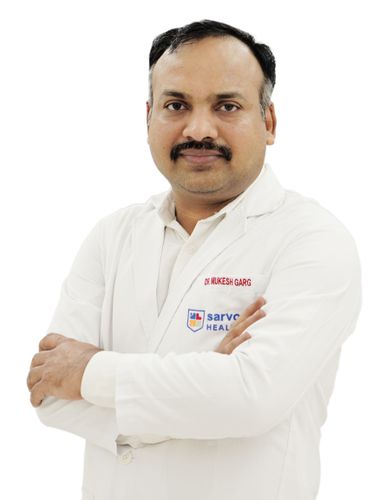
Reviewed by Dr. (Maj.) Mukesh Garg Director- Orthopaedics, Arthroscopy & Sports Injury on 1-September-2026.
Related Blogs
Everything You Need To Know About Shoulder Arthroscopy Post-operative Rehabilitation
Frozen Shoulder: Understanding Symptoms, Causes, and Recovery
How to Treat Frozen Shoulder: Symptoms, Exercises and Treatment Explained