
Overview
PDA Device Closure is a minimally invasive cardiac procedure performed to treat Patent Ductus Arteriosus (PDA), a congenital heart condition in which a blood vessel called the ductus arteriosus fails to close naturally after birth. This abnormal opening causes excess blood flow between the aorta and pulmonary artery, increasing strain on the heart and lungs. If left untreated, PDA may lead to breathing difficulties, poor growth, lung infections, pulmonary hypertension, or heart failure.
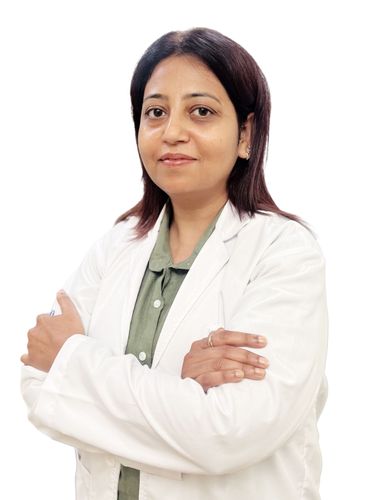
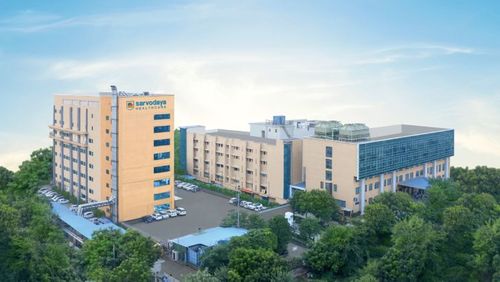
At Sarvodaya Hospital, we offer advanced PDA treatment for infants, children, and adults using catheter-based device closure techniques that avoid major open-heart surgery in most cases. Our experienced paediatric cardiac surgeon and cardiology team specialise in safe and effective PDA closure procedures with faster recovery, minimal scarring, and improved long-term cardiac outcomes. As a trusted Best Paediatric Cardiology and cardiac surgery hospital in Dehi NCR, we provide complete congenital heart diagnosis, minimally invasive treatment, and long-term cardiac care under one roof.
Why Is PDA Closure Required?
PDA closure is recommended when the abnormal blood vessel causes excessive blood flow that affects heart function or lung circulation. Small PDAs may remain asymptomatic, but moderate or large defects often require treatment to prevent long-term cardiac and respiratory complications.
At Sarvodaya Hospital, we commonly treat symptoms such as breathlessness, fatigue, rapid breathing, poor feeding, poor weight gain, recurrent chest infections, excessive sweating, and delayed growth caused by Patent ductus arteriosus. Our specialists may recommend patent ductus arteriosus treatment if the PDA enlarges the heart chambers, increases lung pressure, or affects normal oxygen circulation.
Early intervention by an experienced heart surgeon for children or a paediatric cardiologist helps improve heart function, reduce complications, and support healthy growth and development.
PDA Closure Procedure
At Sarvodaya Hospital, the treatment process begins with a detailed cardiac evaluation, including echocardiography, ECG, chest imaging, and clinical assessment to determine the size and severity of PDA.
During the PDA closure procedure, a thin catheter is inserted through a blood vessel in the groin and carefully guided to the heart using advanced imaging technology. A specialised closure device is then placed inside the PDA to block abnormal blood flow between the arteries.
This minimally invasive procedure usually does not require opening the chest and is performed under sedation or anaesthesia for patient comfort. Most patients experience rapid recovery and significant improvement in cardiac function after treatment.
Technology and Infrastructure
Sarvodaya Hospital offers advanced infrastructure for PDA treatment with dedicated cardiac catheterisation laboratories, advanced echocardiography systems, minimally invasive cardiac procedure suites, and specialised paediatric cardiac intensive care units.
Our hospital is equipped with modern cardiac imaging technology, real-time monitoring systems, advanced catheter-based closure devices, and comprehensive rehabilitation facilities to ensure safe treatment and recovery.
Our multidisciplinary cardiac care team includes experienced cardiologists, paediatric cardiac surgeon specialists, cardiac anaesthetists, intensivists, and rehabilitation experts who work together to provide complete congenital heart care.
Benefits of Minimally Invasive PDA Device Closure
- No Major Chest Surgery: PDA device closure is performed through a catheter-based approach that avoids large chest incisions and major open-heart surgery in most patients.
- Faster Recovery and Shorter Hospital Stay: Patients generally recover quickly with shorter hospital stay and earlier return to normal activities after minimally invasive PDA closure.
- Reduced Pain and Minimal Scarring: The minimally invasive procedure causes less pain, smaller puncture marks, and improved cosmetic outcomes compared to traditional surgery.
- Improved Heart and Lung Function: Closing the PDA helps normalise blood circulation, reduce strain on the heart and lungs, and improve breathing and energy levels.
- Better Growth and Quality of Life in Children: Successful PDA closure improves feeding, growth, physical activity, and overall development in infants and children with congenital heart disease.
Post-Treatment Lifestyle Modifications
- Follow Regular Cardiology Follow-up Visits: Routine cardiac consultations and echocardiography help monitor heart function and long-term recovery after PDA closure treatment.
- Gradually Resume Physical Activities: Children and adults should gradually return to normal physical activities according to recovery progress and medical guidance.
- Maintain Heart-Healthy Nutrition: Balanced nutrition, hydration, and healthy eating habits help support recovery and long-term cardiovascular health after treatment.
- Continue Medications as Prescribed: Patients should continue prescribed antibiotics, blood thinners, or cardiac medications exactly as advised after PDA device closure.
- Monitor Symptoms Carefully: Breathlessness, fever, chest discomfort, unusual fatigue, or irregular heartbeat should be immediately reported for medical evaluation.
Why Choose Sarvodaya Hospital for PDA Device Closure?
- Experienced Paediatric Cardiac Specialists: Our team includes highly experienced cardiologists and heart surgeons for children specialists skilled in advanced PDA closure procedures.
- Advanced Minimally Invasive Cardiac Technology: We use modern catheter-based closure systems and advanced cardiac imaging for safe and precise PDA treatment.
- Comprehensive Congenital Heart Care: We provide complete diagnosis, minimally invasive PDA closure, paediatric cardiac ICU support, rehabilitation, and long-term cardiac care under one roof.
- Dedicated Paediatric Cardiac ICU Support: Our specialised paediatric cardiac intensive care units ensure safe monitoring and recovery for infants and children undergoing treatment.
- Trusted Cardiology Hospital in Delhi NCR: Sarvodaya Hospital is recognised as a leading centre for congenital heart treatment and advanced minimally invasive cardiac procedures in India.