
Overview
Spinal Fusion Surgery is an advanced procedure performed to stabilise the spine by permanently joining two or more vertebrae. It is commonly recommended for patients suffering from spinal instability, severe back or neck pain, degenerative disc disease, slipped discs, spinal fractures, scoliosis, spondylolisthesis, or chronic nerve compression that does not improve with medication or physiotherapy.
At Sarvodaya Hospital, we offer advanced spinal fusion treatment using minimally invasive spine surgery techniques that help reduce muscle damage, blood loss, and recovery time. Depending on the condition, our spine specialists perform lumbar spinal fusion surgery for lower back disorders and cervical spinal fusion surgery for neck-related spinal problems.
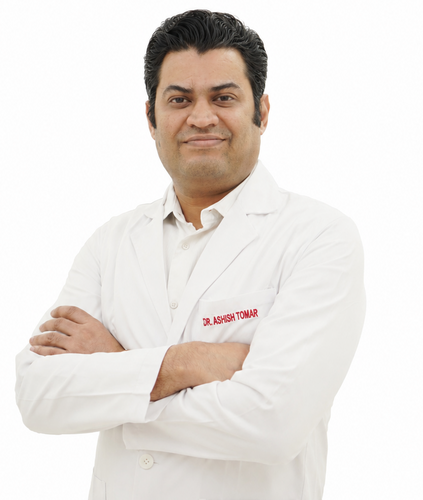
Our experienced team, including the best spine surgeon in Faridabad, provides comprehensive diagnosis, surgical treatment, rehabilitation, and long-term spine care under one roof.
Why Spinal Fusion Surgery Is Required?
At Sarvodaya Hospital, the spine fusion surgery process begins with a detailed neurological examination, MRI, CT scan, and spinal assessment to identify the affected spinal segment and evaluate nerve compression or instability.
During lumbar spinal fusion surgery or cervical spinal fusion surgery, the damaged disc may be removed and replaced with bone grafts, cages, screws, rods, or implants to stabilise the spine. Over time, the vertebrae fuse into one stable structure.
We also offer minimally invasive spinal fusion surgery using smaller incisions, specialised instruments, and spinal navigation systems to reduce tissue damage, blood loss, post-operative pain, and hospital stay while improving surgical precision and recovery outcomes.
Spinal Fusion Surgery Procedure
At Sarvodaya Hospital, the spine fusion surgery process begins with a detailed neurological examination, MRI, CT scan, and spinal assessment to identify the affected spinal segment and evaluate nerve compression or instability.
During lumbar spinal fusion surgery or cervical spinal fusion surgery, the damaged disc may be removed and replaced with bone grafts, cages, screws, rods, or implants to stabilise the spine. Over time, the vertebrae fuse into one stable structure.
We also offer minimally invasive spinal fusion surgery using smaller incisions, specialised instruments, and spinal navigation systems to reduce tissue damage, blood loss, post-operative pain, and hospital stay while improving surgical precision and recovery outcomes.
Technology and Infrastructure
Sarvodaya Hospital offers advanced infrastructure for spinal fusion surgery in Delhi with modern modular operation theatres, intraoperative spinal navigation systems, neuro-monitoring technology, robotic-assisted surgical support, and high-resolution 3T MRI and CT imaging.
Our hospital is equipped with advanced spinal implants, critical care support, and dedicated rehabilitation facilities to ensure complete spine care and safe recovery. Our multidisciplinary team, including the Best Spine surgeon in Noida, neurologists, orthopaedic specialists, physiotherapists, and rehabilitation experts, works together to deliver personalised spinal treatment and long-term recovery planning.
Benefits of Spinal Fusion Surgery
- Improved Spinal Stability: Spinal fusion treatment helps stabilise damaged or unstable spinal segments and restores proper spinal alignment for better movement and support.
- Long-Term Pain Relief: The surgery helps reduce chronic neck pain, lower back pain, and nerve-related symptoms caused by spinal instability or compression.
- Reduced Nerve Compression: Spinal fusion surgery relieves pressure on spinal nerves, improving numbness, weakness, tingling sensations, and radiating leg or arm pain.
- Minimally Invasive Surgical Benefits: Minimally invasive spinal fusion surgery reduces blood loss, tissue damage, infection risk, hospital stay, and recovery time compared to traditional surgery.
- Improved Mobility and Daily Function: Successful spinal fusion surgery may improve walking ability, posture, physical activity, and overall quality of life in patients with severe spinal disorders.
Post-Treatment Lifestyle Modifications
- Follow Rehabilitation and Physiotherapy Programmes: Physiotherapy and rehabilitation exercises help improve spinal strength, flexibility, posture, balance, and overall recovery after spinal fusion surgery.
- Avoid Heavy Lifting and Sudden Movements: Patients should avoid bending, twisting, heavy lifting, or strenuous activities during the spinal healing period to prevent complications.
- Maintain Proper Posture and Ergonomics: Correct posture while sitting, standing, and sleeping helps protect the fused spine and reduces long-term spinal strain and discomfort.
- Maintain Healthy Weight and Nutrition: Balanced nutrition, proper calcium intake, hydration, and healthy body weight support bone healing and long-term spinal health after surgery.
- Attend Regular Follow-up Visits: Routine follow-up consultations and spinal imaging help monitor fusion progress, implant stability, and neurological recovery after treatment.
Why Choose Sarvodaya Hospital for Spinal Fusion Surgery?
- Experienced Spine Fusion Specialists: Our team includes highly experienced spine surgeons skilled in complex lumbar and cervical spinal fusion procedures using advanced minimally invasive techniques.
- Advanced Spine Surgery Technology: We use spinal navigation systems, robotic-assisted technology, neuro-monitoring, and precision spinal implants for accurate and safe surgery.
- Comprehensive Spine Care Services: We provide complete spinal care, including diagnosis, surgery, rehabilitation, physiotherapy, pain management, and long-term recovery support.
- Dedicated Rehabilitation and Critical Care Support: Advanced ICU care and specialised rehabilitation programmes help ensure safe recovery and improved functional outcomes after spinal fusion surgery.
- Trusted Spine Hospital in India: Sarvodaya Hospital is recognised as a leading spine hospital in India offering advanced spinal fusion treatment and patient-focused spine care.