
Overview
Polypectomy is a procedure used to remove polyps, which are abnormal tissue growths that can develop in areas such as the colon, stomach, uterus, nose, or other organs. Endoscopic polypectomy is commonly performed for polyps found in the digestive tract, using an endoscope to identify and remove the growth without conventional open surgery.
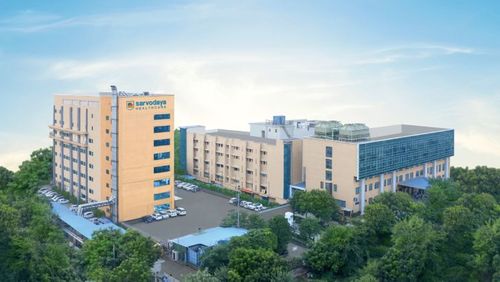
At Sarvodaya Hospital, we provide polyp removal surgery based on the location, size, number, and characteristics of the polyp. The removed tissue may also be sent for laboratory examination to determine whether it is benign or shows any concerning changes.
Why Is Polypectomy Required?
Polypectomy may be recommended when a polyp is large, symptomatic, bleeding, or has features that may require further evaluation. Removing certain polyps can also help reduce the risk of future complications, particularly for colorectal polyps that may develop precancerous changes.
Our specialists assess the polyp through appropriate imaging, endoscopy, and other diagnostic tests before deciding the most suitable removal technique.
How Is Polypectomy Performed?
The approach depends on the polyp's location, size, number, and appearance. During endoscopic polypectomy, a specialist passes an endoscope through the appropriate natural opening to visualise the affected area.
Special instruments passed through the endoscope can remove suitable polyps, while larger or more complex growths may require specialised techniques or surgical removal. The removed tissue is generally sent for histopathological examination when clinically indicated.
Endoscopic Polypectomy
Endoscopic polypectomy is a minimally invasive technique commonly used for removing suitable polyps from the digestive tract. It allows the doctor to visualise the polyp directly and remove it through the endoscope without making a large external incision.
The technique selected may include snare removal or other endoscopic methods depending on the characteristics of the polyp.
Technology and Infrastructure
Sarvodaya Hospital provides advanced endoscopic facilities for diagnosis and treatment of gastrointestinal polyps. Our infrastructure includes high-definition endoscopy systems, colonoscopy facilities, specialised polypectomy instruments, endoscopic imaging, biopsy and tissue retrieval systems, and facilities for histopathological evaluation.
Appropriate anaesthesia and patient monitoring support are also available according to the procedure and individual clinical requirements.
Benefits of Polypectomy
- Minimally Invasive: Endoscopic removal avoids the need for large surgical incisions in suitable cases.
- Early Polyp Removal: Removing appropriate polyps can help address potentially precancerous growths before they progress.
- Tissue Examination: Removed tissue can be examined microscopically to determine its nature.
- Targeted Treatment: The procedure allows specialists to remove identified polyps during an endoscopic examination when appropriate.
- Potentially Faster Recovery: Recovery is generally quicker after minimally invasive endoscopic removal than after conventional surgery, depending on the procedure.
Recovery After Polypectomy
Recovery depends on the number, size, and location of polyps removed and the technique used. After endoscopic polypectomy, patients may usually resume normal activities relatively quickly, subject to their doctor's advice.
Temporary bloating or mild abdominal discomfort can occur after gastrointestinal procedures. Your doctor will provide personalised instructions regarding diet, activity, medications, follow-up, and pathology results.
Post-Treatment Lifestyle Modifications
- Follow Dietary Advice: Follow the recommended diet after the procedure and gradually return to your regular diet as advised.
- Stay Hydrated: Drink adequate fluids unless your doctor has advised fluid restriction.
- Resume Activities Gradually: Avoid strenuous activities until your specialist confirms that normal physical activity can be resumed.
- Attend Follow-Up: Complete recommended follow-up appointments and discuss the pathology report and future screening requirements.
- Follow Screening Recommendations: Depending on the type and location of the polyp, periodic examinations may be recommended to detect recurrence or new polyps.
Why Choose Sarvodaya Hospital for Polypectomy?
- Experienced Gastrointestinal Specialists: Our specialists provide evaluation and treatment for gastrointestinal polyps using appropriate endoscopic and surgical approaches.
- Advanced Endoscopy Infrastructure: Modern endoscopy and colonoscopy facilities support detailed examination and minimally invasive polyp removal.
- Comprehensive Diagnosis: We combine clinical assessment, endoscopy, imaging, biopsy, and pathology evaluation where required.
- Individualised Treatment: The removal technique is selected according to the polyp's size, location, number, and clinical characteristics.
- Multidisciplinary Care: Gastroenterologists, surgeons, anaesthetists, pathologists, and other specialists can coordinate care when required.
- Complete Patient Support: From diagnosis and treatment to recovery and follow-up, we provide coordinated care according to individual clinical needs.
Reviewed & Updated On
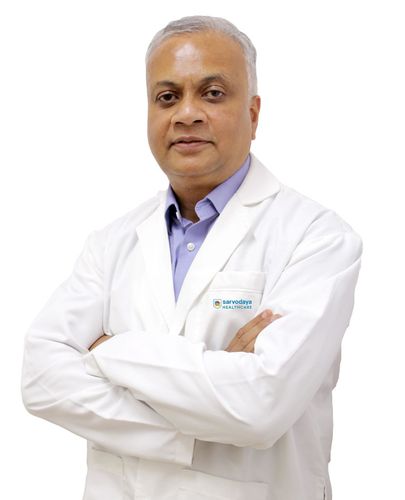
Reviewed by Air Cmde (Dr.) Bhaskar Nandi Director & Head - Gastroenterology, Hepatology & Endoscopy on 19 Aug 2026.