
Overview
Percutaneous Nephrolithotomy (PCNL) is an advanced kidney stone treatment that allows large or complex stones to be removed directly from the kidney through a small tract, offering high clearance rates even in cases where other methods are unlikely to succeed. It is typically reserved for staghorn kidney stones and stones too large for shockwave therapy or ureteroscopy to clear effectively.
Kidney stones are among the most common urological conditions, and while small stones may pass on their own, larger or more complex stones often need this kind of active medical intervention.
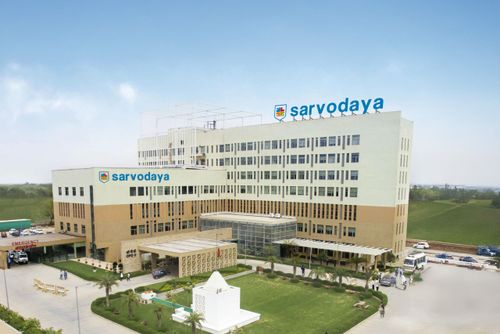
Seeking timely evaluation at Sarvodaya Hospital, one of the best urology hospitals in North India, may help you ensure an accurate kidney stone diagnosis and a treatment plan suited to the size, location, and composition of the stone.
Kidney Stone Symptoms
- Severe pain in the back, side, or lower abdomen
- Pain that radiates towards the groin
- Blood in the urine (haematuria)
- Cloudy or foul-smelling urine
- A burning sensation while urinating
- Frequent urge to urinate
- Nausea and vomiting
- Fever and chills in cases of associated infection
- Difficulty passing urine when a stone causes blockage
Kidney Stone Causes
- Chronic dehydration and low fluid intake
- High dietary intake of sodium, oxalates, or animal protein
- A family history of kidney stones
- Recurrent urinary tract infections
- Metabolic conditions affecting calcium, uric acid, or cystine levels
- Obesity
- Certain medications and supplements
- Structural abnormalities of the urinary tract
Risk Factors for Kidney Stones
Certain lifestyle patterns and health conditions make some people considerably more prone to stone formation than others.
Some of the factors that raise the risk of kidney stones include:
- Diet: Diets high in salt, sugar, or animal protein increase stone-forming minerals in the urine.
- Dehydration: Low fluid intake concentrates the urine, making crystal formation more likely.
- Family History: A genetic predisposition can make certain individuals more susceptible.
- Obesity: Excess body weight is linked to metabolic changes that promote stone formation.
- Sedentary Lifestyle: Limited physical activity is associated with a higher incidence of stones.
- Underlying Medical Conditions: Gout, hyperparathyroidism, and inflammatory bowel disease raise stone risk.
Diagnosis of Kidney Stones
An accurate kidney stone diagnosis is essential to determine the exact size, location, and number of stones before deciding on the right course of treatment.
The key kidney stone diagnosis tests include:
- Clinical Examination: Assesses pain patterns, tenderness, and associated symptoms.
- Kidney Stone CT Scan: Offers highly detailed imaging to pinpoint stone size, number, and exact location.
- Ultrasound: A quick, radiation-free method to detect stones and check for blockage.
- X-ray (KUB): Identifies certain types of stones in the kidneys, ureters, and bladder.
- Urine Tests: Check for infection, blood, and crystal-forming substances.
- Blood Tests: Evaluate kidney function and detect metabolic abnormalities linked to stone formation.
Treatment Options for Kidney Stones
Kidney stone treatment is tailored to the size, location, and composition of the stone, ranging from conservative management to advanced surgical solutions for large kidney stone treatment.
The available treatment options include:
- Medication and Fluid Therapy: Helps support the natural passage of small stones.
- Extracorporeal Shockwave Lithotripsy (ESWL): Uses shockwaves to break stones into smaller fragments.
- Ureteroscopy (URS): Uses a thin scope to remove or fragment stones in the ureter.
- Percutaneous Nephrolithotomy (PCNL): A minimally invasive kidney stone surgery performed through a small tract in the back to clear large or complex stones directly from the kidney, including staghorn stones.
- Advanced Diagnostic Imaging: High-resolution CT and ultrasound guidance to plan and support precise stone removal.
PCNL Surgery Benefits
Most small kidney stones pass naturally or respond to less invasive treatments like ESWL or ureteroscopy. But for large, dense, or staghorn kidney stones, PCNL surgery is often the most reliable and effective solution.
Choosing PCNL as a minimally invasive kidney stone surgery offers several advantages over traditional open surgery:
- Smaller Incision: A single small tract replaces the large incision required in open stone surgery.
- Near-Complete Stone Clearance: Enables a high success rate even in complex or staghorn cases.
- Quicker Return to Routine: Shorter hospital stays support faster recovery and a quicker return to daily activities.
- Lower Blood Loss: Precision instrumentation helps minimise intraoperative bleeding.
- Reduced Risk of Infection: Smaller surgical sites lower the likelihood of post-surgical complications.
- Single-Session Stone Clearance: Often removes even large or staghorn stones in one surgery.
Complications, if Left Untreated
Delaying necessary treatment at a trusted kidney stone treatment hospital can allow a stone to cause escalating damage over time. What begins as discomfort can progress into a more serious urological emergency requiring advanced kidney stone care.
If left untreated, kidney stones can lead to:
- Recurrent urinary tract infections
- Progressive kidney damage or reduced kidney function
- Hydronephrosis caused by complete blockage of urine flow
- Sepsis in cases of severe, untreated infection
- Chronic pain that affects daily functioning
- Kidney failure in rare, advanced cases
When Should You See a Kidney Stone Specialist?
Consult an experienced urologist in Greater Noida West if you experience:
- Severe or persistent pain in the back or side
- Blood in the urine
- Fever accompanying urinary symptoms
- Difficulty or inability to pass urine
- Recurrent kidney stones despite previous treatment
- Nausea and vomiting along with abdominal pain
Prevention & Lifestyle Modifications
Kidney stones have a notable tendency to recur, which makes preventive habits just as important as treatment itself.
The following habits help lower the risk of recurring kidney stones:
- Stay Well Hydrated: Adequate water intake helps flush out stone-forming minerals.
- Limit Sodium and Oxalate-Rich Foods: Helps reduce the concentration of stone-forming substances in urine.
- Moderate Animal Protein Intake: Lowers uric acid and calcium levels associated with stone formation.
- Maintain a Healthy Weight: Reduces metabolic risk factors linked to stone development.
- Schedule Regular Health Check-ups: Helps catch new stones early, before symptoms worsen.
- Follow Medical Advice on Supplements: Avoids excess calcium or vitamin C intake that can contribute to stone formation.
Pre-Post Treatment Care
Pre-Treatment
Care before PCNL surgery includes:
- Comprehensive evaluation by an expert urologist in Faridabad.
- Advanced diagnostic imaging, including a kidney stone CT scan and relevant blood investigations.
- Pre-surgical medical clearance and anaesthesia assessment.
- Guidance on hydration, medication adjustments, and lifestyle preparation.
Post-Treatment
Recovery after PCNL is supported by:
- Structured post-operative monitoring and pain management protocols.
- Early mobilisation under expert guidance.
- Follow-up imaging to check for complete stone clearance.
- Dietary and lifestyle counselling to help reduce the risk of stone recurrence.
Reviewed & Updated On
Reviewed by Dr. Tanmay Pandya HOD & Director - Nephrology & Renal Transplantation on 26-July-2026