Overview
Neonatal jaundice is a common condition in newborn babies that causes yellowing of the skin and the whites of the eyes. It develops when a substance called bilirubin builds up in the baby's blood. Bilirubin is produced naturally when the body breaks down old red blood cells. The newborn's liver may take some time to process and remove it efficiently.
Mild jaundice is common, particularly during the first few days after birth. However, very high bilirubin levels can be harmful if they are not identified and treated promptly. This is why monitoring bilirubin levels is an important part of newborn care.
Neonatal jaundice treatment depends on the baby's bilirubin level, age in hours, gestational age and overall health. Treatment may include regular monitoring, feeding support and phototherapy. In severe cases, an exchange transfusion may be required to reduce bilirubin levels quickly.
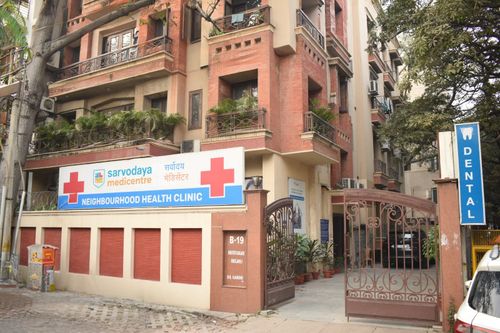
At Sarvodaya Hospital, newborns with jaundice should receive an individual assessment to identify the cause, monitor bilirubin levels and determine the appropriate treatment.
Symptoms of Neonatal Jaundice
- Yellowing of the skin: The yellow colour may first appear on the face and gradually spread towards the chest, abdomen, arms and legs.
- Yellowing of the eyes: The whites of the eyes may develop a yellow appearance.
- Poor feeding: The baby may have difficulty feeding, feed less frequently or show reduced interest in breastfeeding or bottle-feeding.
- Increased sleepiness: The baby may appear unusually sleepy or be difficult to wake for feeds.
- Dark-coloured urine: The urine may appear darker than expected. This can be a warning sign, particularly when accompanied by pale or chalky stools.
- Pale or whitish stools: These may indicate a problem with bile flow and require prompt medical assessment.
- Unusual behaviour: Severe jaundice may cause changes in alertness, muscle tone, crying or feeding behaviour.
Causes of Neonatal Jaundice
- Physiological Jaundice
- Breastfeeding-Related Jaundice
- Breast Milk Jaundice
- Blood Group Incompatibility
- Premature Birth
- Infections
- Increased Breakdown of Red Blood Cells
Diagnosis of Neonatal Jaundice
Early diagnosis helps doctors identify the bilirubin level, assess the underlying cause and determine whether treatment is needed.
- Physical Examination : The doctor examines the baby's skin and eyes for yellowing and reviews feeding patterns, activity levels and overall health. However, the appearance of the skin alone cannot accurately determine the bilirubin level.
- Transcutaneous Bilirubin Test : A transcutaneous bilirubin (TcB) test uses a device placed against the baby's skin to estimate the bilirubin level. It is a non-invasive screening method. A blood test may be needed to confirm the result, particularly when the reading is high or close to the treatment threshold.
- Serum Bilirubin Test : A total serum bilirubin (TSB) test measures bilirubin in a blood sample. It is the main test used to guide treatment decisions. The result is interpreted according to the baby's age in hours, gestational age and relevant risk factors.
- Blood Group and Coombs Test : If blood group incompatibility is suspected, doctors may check the blood groups of the mother and baby. A direct antiglobulin test (DAT), also known as a direct Coombs test, may help identify antibodies attached to the baby's red blood cells.
- Additional Blood Tests : Depending on the baby's condition, further tests may include a complete blood count, reticulocyte count, G6PD testing, infection investigations and liver function tests.
Benefits of Timely Neonatal Jaundice Treatment
- Early identification: Bilirubin testing helps identify babies who may need treatment.
- Controlled bilirubin levels: Phototherapy can help reduce elevated bilirubin levels.
- Prevention of complications: Timely treatment reduces the risk of bilirubin-related brain injury.
- Improved feeding support: Monitoring feeding and hydration helps babies receive adequate nutrition.
- Identification of underlying conditions: Investigations can help detect blood group incompatibility, infections and other causes.
- Close monitoring: Regular assessment helps doctors evaluate the baby's response and adjust treatment when necessary.
Complications of Untreated Severe Neonatal Jaundice
- Acute Bilirubin Encephalopathy : Acute bilirubin encephalopathy occurs when high levels of unconjugated bilirubin affect the brain. Early signs may include poor feeding, unusual sleepiness, reduced muscle tone and changes in crying or alertness.
- Kernicterus : Kernicterus refers to permanent brain damage caused by bilirubin entering and affecting specific areas of the brain. It can lead to long-term complications such as hearing loss, movement difficulties and developmental problems.
- Hearing Problems : Severe bilirubin toxicity may affect the parts of the nervous system involved in hearing. Some babies may develop permanent hearing impairment.
- Movement and Developmental Difficulties : In severe cases, bilirubin-related brain injury may affect muscle control, coordination and movement. Some children may develop long-term movement disorders.
Prevention and Care for Newborn Jaundice
- Start feeding early: Begin breastfeeding as soon as possible after birth, when medically appropriate.
- Feed frequently: Follow the healthcare team's guidance on feeding frequency and ensure the baby is feeding effectively.
- Monitor wet and dirty nappies: Changes in urine and stool patterns can provide useful information about feeding and hydration.
- Attend newborn check-ups: Follow the recommended schedule for bilirubin assessment and newborn examinations.
- Watch for yellowing: Check for yellowing of the skin and eyes, particularly during the first few days after birth.
- Follow medical advice: If phototherapy or other treatment is recommended, follow the care team's instructions and attend all monitoring appointments.
- Do not rely on sunlight: Direct sunlight is not a safe or reliable substitute for medical phototherapy.
When Should Parents Take a Jaundiced Newborn to a Hospital?
- Is difficult to wake or unusually sleepy.
- Refuses feeds or has difficulty feeding.
- Develops a high-pitched or unusual cry.
- Becomes unusually floppy or stiff.
- Shows abnormal body movements or seizures.
- Develops a fever or appears seriously unwell.
- Has dark urine or pale, chalky stools.
Care Before and After Neonatal Jaundice Treatment
Before Treatment
- Share details of the baby's birth, gestational age and feeding history.
- Inform the doctor when the yellowing first appeared and whether it is spreading.
- Complete the recommended bilirubin tests and other investigations.
- Discuss the bilirubin level and the treatment threshold applicable to your baby.
- Inform the medical team about any feeding difficulties, reduced wet nappies or unusual behaviour.
- Follow the instructions provided by the neonatal care team.
After Treatment
- Continue breastfeeding or other recommended feeding as advised.
- Attend follow-up appointments for bilirubin monitoring.
- Watch for the return or worsening of yellowing.
- Monitor the baby's feeding, alertness and urine and stool patterns.
- Follow medical advice about repeat bilirubin testing after phototherapy.
- Seek prompt medical assessment if the baby develops new symptoms or appears unwell.
Why Choose Sarvodaya Hospital for Neonatal Jaundice Treatment?
- Newborn assessment: Evaluation of the baby's symptoms, feeding pattern, birth history and overall health.
- Bilirubin monitoring: Appropriate testing to assess bilirubin levels and guide treatment decisions.
- Phototherapy support: Access to suitable phototherapy facilities when treatment is indicated.
- Specialist neonatal care: Assessment and monitoring by appropriately qualified paediatric or neonatal specialists.
- Individual treatment planning: Care based on the baby's gestational age, bilirubin level and underlying cause.
- Parent guidance: Clear instructions about feeding, follow-up appointments and warning signs that require medical attention.