
Overview
Lumbar Spondylosis, also known as Lumbar Spine Arthritis or lower back arthritis, is a degenerative condition that develops as the discs, joints, and ligaments of the lower spine gradually wear down with age.
It commonly overlaps with degenerative disc disease, and symptoms can range from mild morning stiffness to persistent pain that limits daily movement.
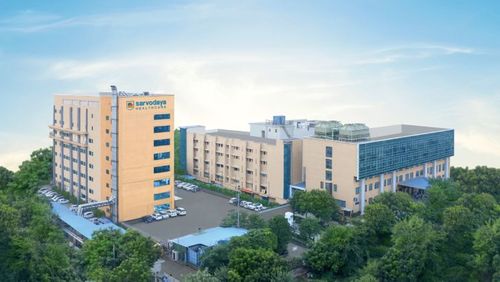
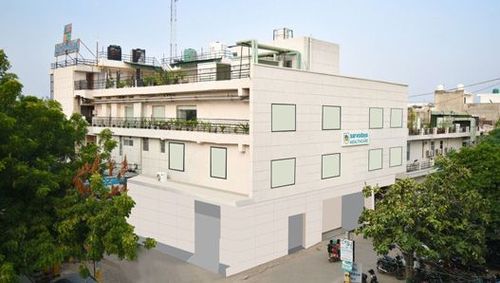
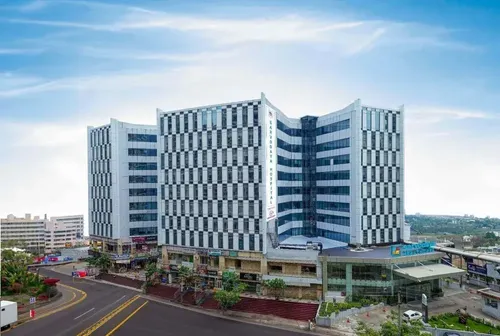
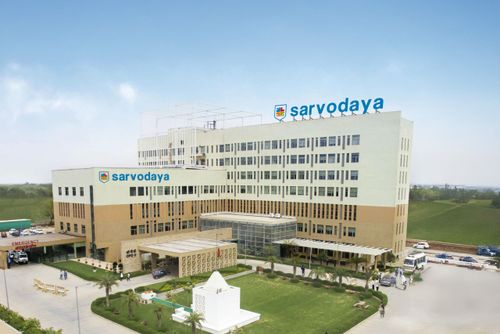
Sarvodaya Hospital, considered one of the best spine surgery and orthopaedic hospitals in North India, offers a wide range of treatment options under one roof. The expert team identifies the root cause of the discomfort and works on personalised treatment plans accordingly for long-lasting relief.
Lumbar Spondylosis Symptoms
Lumbar Spondylosis often develops gradually, and symptoms may be mild at first before becoming more noticeable with age or activity. Because the condition affects the discs, joints, and surrounding tissues of the lower spine, its symptoms can vary widely between individuals.
The common symptoms of Lumbar Spondylosis include:
- Persistent stiffness in the lower back, especially after waking up or long periods of rest
- Dull, aching pain that intensifies with movement or prolonged standing
- Reduced flexibility and difficulty bending or twisting the lower back
- A grinding or clicking sensation during spinal movement
- Sharp pain radiating to the buttocks, hips, or thighs
- Numbness or tingling in the legs and feet
- Muscle weakness in the lower limbs
- Pain that eases with rest but returns with activity
- Increased discomfort while standing upright for long durations
Lumbar Spondylosis Causes
Lumbar Spondylosis is mostly caused by the natural ageing process; however, various other conditions can accelerate spine degeneration.
Some of the common Lumbar Spondylosis causes are:
- Age-related wear and tear of the intervertebral discs
- Disc dehydration and loss of disc height
- Formation of bone spurs (osteophytes) around the vertebrae
- Facet joint arthritis in the lower spine
- Thickening of spinal ligaments, narrowing the spinal canal
- Genetic predisposition to early spine degeneration
- Repetitive strain from occupational or sports-related activity
- History of prior spinal injury or trauma
Risk Factors for Lumbar Spondylosis
Certain lifestyle choices and health circumstances increase the risk of developing lumbar spine arthritis earlier or more severely.
The main factors that increase your risk are given below:
- Age: Degenerative changes in the spine become more common after the age of 40.
- Sedentary Lifestyle: Weak core and back muscles offer less support to the spine.
- Occupational Strain: Jobs involving repetitive bending, lifting, or vibration.
- Obesity: Extra body weight adds pressure on the lumbar discs and joints.
- Smoking: Reduces blood supply to spinal discs, speeding up degeneration.
- Family History: A genetic tendency toward early disc or joint degeneration.
- Poor Posture: Prolonged sitting or standing with improper spinal alignment.
Lumbar Spondylosis Diagnosis
Because various spinal disorders can cause overlapping symptoms, a correct diagnosis of Lumbar Spondylosis is essential for selecting an appropriate treatment approach.
The diagnostic process for Lumbar Spondylosis typically involves:
- Clinical Examination: Evaluates posture, spinal mobility, and neurological function.
- X-ray: Identifies disc space narrowing, bone spurs, and joint changes.
- MRI Scan: Offers detailed imaging of discs, nerves, and soft tissue involvement.
- CT Scan: Provides cross-sectional views for complex degenerative changes.
- Nerve Conduction Studies (EMG/NCV): Assesses nerve function when numbness or weakness is present.
- Bone Density Test: Recommended in select cases to rule out osteoporosis-related changes.
Treatment Options & Technology for Lumbar Spondylosis
Lumbar Spondylosis treatment, also known as lower back arthritis treatment, is determined by the severity of degeneration, the level of nerve involvement, and the condition's response to initial management. Because it usually overlaps with disc degeneration, the strategy is often similar to degenerative disc disease treatment, combining conservative care with advanced choices as needed.
The treatment options available include:
- Non-surgical Treatment: Medication, activity modification, and pain-relief injections to manage inflammation and discomfort.
- Physiotherapy for Lumbar Spondylosis: Targeted exercises and postural correction to strengthen the core and restore flexibility.
- Spinal Decompression Surgery: A minimally invasive surgery that relieves pressure on compressed nerves through small incisions, easing nerve compression due to Lumbar Spondylosis.
- Endoscopic Spine Surgery: Precisely widens narrowed nerve pathways and addresses spinal stenosis with minimal tissue disruption.
- Minimally Invasive Spinal Fusion: Techniques such as OLIF (Oblique Lateral Interbody Fusion) and TLIF are used to stabilise the affected vertebral segment when instability is present.
- Advanced Diagnostic Imaging: High-resolution MRI, X-rays, and CT scans guide precise, minimally invasive Lumbar Spondylosis surgery when required.
Benefits of Minimally Invasive Spine Surgery
Many patients with Lumbar Spondylosis experience symptom improvement with non-surgical treatment, with surgery reserved for cases where conservative care is no longer effective. When surgical intervention is required, Minimally Invasive Spine Surgery (MISS) provides a more patient-friendly option than standard open surgeries.
Choosing MISS for spine degeneration treatment offers several advantages:
- Smaller Incisions: Less scarring and better cosmetic outcomes.
- Minimal Muscle Trauma: Surrounding tissues are preserved to minimise post-operative pain.
- Lower Blood Loss: Precision surgical techniques help limit intraoperative blood loss.
- Faster Recovery: Shorter hospital stays typically allow a quicker return to daily routines.
- Reduced Infection Risk: Smaller incisions lower the chance of post-surgical complications.
- High Success Rates: Significant pain relief and improved mobility in appropriately selected patients.
Complications if Left Untreated
Lumbar Spondylosis typically progresses gradually, which may lead some individuals to delay seeking medical evaluation and treatment. For most people, the risk of delay is a gradual worsening of pain, stiffness, and daily function rather than a sudden medical crisis, but neglecting chronic symptoms allows the underlying deterioration to progress. In a smaller number of cases, the condition may progress to clinically significant nerve compression.
Delaying care from a qualified orthopaedic spine specialist can lead to:
- Chronic pain that limits everyday activity and mobility
- Worsening spinal stenosis and reduced flexibility
- Long-term decline in independence and quality of life
- In cases involving significant nerve compression, numbness, tingling, or muscle weakness in the legs
- In advanced or severe cases, progressive nerve damage or foot drop
- In rare and severe cases, sudden loss of bladder or bowel control, requiring immediate medical attention
When Should You See a Spine Specialist?
Mild stiffness or occasional soreness is normal with age, but certain problems require professional attention.
Consult a spine doctor in Greater Noida West if you experience:
- Lower back pain that persists for more than two weeks
- Pain radiating into the hips, thighs, or legs
- Numbness, tingling, or weakness in the lower limbs
- Reduced ability to stand, walk, or maintain posture
- Symptoms that worsen despite rest or home care
- Loss of bladder or bowel control (seek immediate care)
Prevention & Lifestyle Modifications
While age-related spine degeneration cannot be entirely avoided, several habits can lower your risk and support recovery alongside treatment.
The following measures can help protect your spine:
- Maintain Correct Posture: Keep the spine aligned while sitting, standing, and lifting.
- Strengthen Core Muscles: Regular low-impact exercise supports the lumbar spine.
- Manage Body Weight: Reducing excess weight eases pressure on spinal discs and joints.
- Practise Safe Lifting: Bend at the knees rather than the waist when lifting objects.
- Use Ergonomic Support: Supportive seating and correct desk height reduce strain.
- Stay Active: Avoid long periods of sitting or standing without movement breaks.
- Avoid Smoking: Protects blood flow to spinal discs and slows degeneration.
Pre- and Post-Treatment Care
A well-planned care pathway, both before and after treatment, is essential for providing long-term relief from Lumbar Spondylosis. Structured guidance at every level enables patients to recover with confidence.
The care journey typically includes the following steps:
Pre-Treatment
- Comprehensive evaluation by an experienced spine doctor in Faridabad
- Advanced diagnostic imaging and relevant blood investigations
- Pre-surgical medical clearance and anaesthesia assessment, where applicable
- Guidance on lifestyle adjustments and medication management
Post-Treatment
- Structured post-operative monitoring and pain management
- Early, guided mobilisation to support recovery
- Customised physiotherapy for Lumbar Spondylosis to rebuild strength and flexibility attractive?
- Ergonomic guidance and regular follow-up consultations
Reviewed & Updated On
Reviewed by Dr. Ashish Tomar Director - Orthopaedics & Minimally Invasive Spine Surgery on 18-Aug-2026.