Overview
Herniated disc treatment aims to relieve back or neck pain, reduce pressure on spinal nerves and help you return to your usual activities. A herniated disc occurs when the soft inner material of a spinal disc pushes through a weakened or damaged outer layer. This may irritate nearby nerves and cause pain, numbness, tingling or muscle weakness.
A herniated disc can develop in different parts of the spine, including the neck (cervical spine) and lower back (lumbar spine). When a herniated disc presses on a nerve in the lower back, it may cause sciatica, which is pain that travels from the lower back into the buttock and leg.
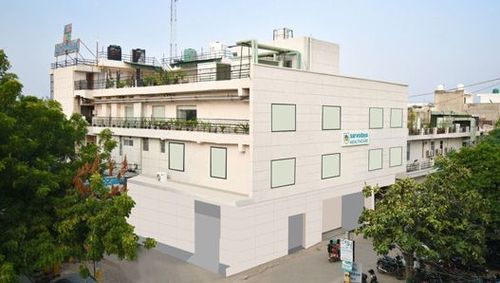
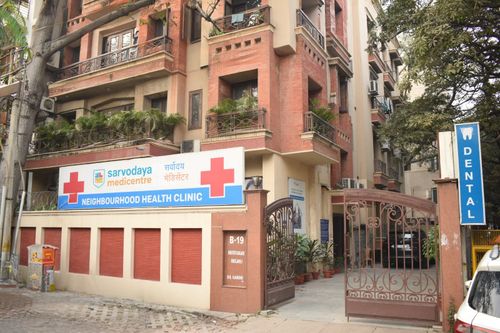
At Sarvodaya Hospital, patients seeking herniated disc treatment should receive an individual assessment based on their symptoms, physical examination and imaging findings where appropriate. The treatment plan depends on the location of the affected disc, the severity of nerve compression and the patient's overall health.
Symptoms of a Herniated Disc
- Pain or stiffness that may worsen with certain movements, bending or prolonged sitting.
- Pain that travels from the lower back through the buttock and into one leg.
- Discomfort caused by a herniated disc in the cervical spine.
- Pain that travels from the neck into the shoulder, arm or hand.
- Unusual sensations in the hands, arms, legs or feet.
- Reduced strength that may affect grip, walking or other movements.
- Difficulty bending, turning the neck or carrying out everyday activities because of pain.
Causes of a Herniated Disc
- Age-related disc changes : As people age, spinal discs may lose some of their water content and flexibility. This can make the outer layer more vulnerable to damage and herniation.
- Repeated lifting and bending : Frequent heavy lifting, repeated bending and twisting may place additional stress on the spine, particularly when combined with poor lifting technique.
- Sudden injury or strain : A fall, accident or sudden movement may contribute to a herniated disc. However, many cases develop gradually without a clearly identifiable injury.
- Prolonged inactivity : Long periods of sitting and limited physical activity may contribute to back discomfort and reduced muscular conditioning. Sitting alone does not necessarily cause a herniated disc.
- Other contributing factors : Smoking, excess body weight and a family history of disc problems may increase the risk in some people. However, a herniated disc can occur even when none of these factors are present.
4. Diagnosis of a Herniated Disc
Accurate diagnosis helps determine whether a herniated disc is responsible for your symptoms and whether non-surgical care or surgery may be appropriate.
- Medical history and physical examination : The doctor will ask about the location, duration and severity of your pain. They may also ask whether the pain travels into an arm or leg and whether you have experienced numbness, tingling or weakness.
- MRI scan : Magnetic resonance imaging (MRI) provides detailed images of spinal discs, nerves and surrounding soft tissues. It may be recommended when symptoms persist, neurological signs are present or surgery is being considered.
- X-rays: These can help assess bone alignment and certain spinal changes, although they do not show herniated disc material clearly.
- CT scan: This may be useful when MRI is unsuitable or additional information is needed.
- Nerve conduction studies or electromyography: These may help assess nerve function in selected cases.
Herniated Disc Treatment Options
Treatment depends on the affected spinal region, the severity of symptoms and whether nerve function is affected. Many patients begin with non-surgical care, while others may require specialist assessment for surgery.
Medicines: A doctor may recommend suitable pain-relieving or anti-inflammatory medicines based on your symptoms and medical history. These medicines are not appropriate for everyone, so follow medical advice.
Physiotherapy: A physiotherapist may recommend exercises to improve mobility, build supporting muscle strength and help you return to daily activities.
Activity modification: Temporarily reducing heavy lifting, repeated bending or activities that aggravate symptoms may help. Gentle movement, as tolerated, is generally preferable to prolonged bed rest.
Selected injections: In some cases of severe radiating pain, a specialist may consider an injection around an affected nerve. The benefits vary, and injections do not repair the disc itself.
Benefits of Timely Herniated Disc Treatment
- Pain relief: Appropriate treatment may reduce back pain, neck pain or radiating nerve pain.
- Improved mobility: Physiotherapy and guided activity may help restore movement and daily function.
- Assessment of nerve function: Early evaluation helps identify numbness, weakness or other signs that may require specialist care.
- Personalised treatment planning: Doctors can recommend non-surgical treatment, further investigations or surgery according to individual needs.
- Timely management of nerve compression: Recognising serious neurological symptoms helps prevent delays in urgent assessment.
- Support for recovery: Rehabilitation and follow-up help patients return to activities safely.
Complications if a Herniated Disc is Not Treated
- Persistent pain : Ongoing nerve irritation may cause back or neck pain that interferes with sleep, work, mobility and everyday activities.
- Numbness and altered sensation : Pressure on a spinal nerve may cause tingling or numbness in an arm, hand, leg or foot. Persistent or worsening symptoms should be assessed.
- Muscle weakness : Significant nerve compression can affect muscle strength. Progressive weakness requires prompt medical evaluation because some nerve problems may not fully recover if treatment is delayed.
- Reduced mobility : Severe pain or weakness may make walking, bending or other routine activities difficult. Appropriate treatment and rehabilitation can help improve function.
- Permanent nerve damage : In some cases, severe or prolonged nerve compression can cause lasting weakness, numbness or changes in nerve function. The risk depends on the location and severity of compression and the underlying condition.
- Cauda equina syndrome : A large herniated disc in the lower spine can rarely compress the cauda equina, a group of nerves at the base of the spinal canal. Warning signs include difficulty passing urine, loss of bladder or bowel control, numbness around the groin and rapidly worsening leg weakness.
Prevention and Lifestyle Modifications
- Stay physically active : Regular walking and suitable strengthening exercises can support mobility and the muscles around the spine. If you already have significant pain or nerve symptoms, seek guidance before starting a new exercise programme.
- Use safe lifting techniques : Keep objects close to your body, avoid twisting while lifting and seek help with heavy loads. Use your hips and knees appropriately rather than relying entirely on your lower back.
- Take breaks from prolonged sitting : Change positions regularly and include gentle movement during long periods of sitting. Adjust your workstation to support a comfortable posture.
- Follow medical and rehabilitation advice: If you have a herniated disc, follow the exercise and activity recommendations provided by your doctor or physiotherapist. Increase activity gradually rather than returning immediately to strenuous exercise.
- Avoid smoking : Smoking is associated with poorer spinal disc health. Seeking support to stop smoking can benefit your overall health.
- Maintain general health : A balanced diet, regular physical activity and appropriate management of body weight may support overall musculoskeletal health. These measures cannot guarantee prevention, but they can form part of a healthy routine.
When Should You Seek Medical Attention?
- New difficulty passing urine or inability to empty your bladder.
- Loss of bladder or bowel control.
- Numbness around the groin, genitals or inner thighs.
- Rapidly worsening weakness in one or both legs.
Pre- and Post-Treatment Care
Before treatment
- Explain your symptoms, including when they began and whether pain travels into your arms or legs.
- Inform your doctor about any numbness, weakness or changes in walking.
- Share your medical history and details of current medicines.
- Complete recommended investigations, such as an MRI, when advised.
- Discuss the expected benefits, risks and alternatives of the proposed treatment.
- If surgery is planned, follow the hospital's instructions regarding fasting, medicines and preparation.
After treatment
- Following wound-care instructions.
- Walking and increasing activity as advised.
- Avoiding heavy lifting or restricted movements during early recovery.
- Taking prescribed medicines as directed.
- Attending follow-up appointments.
- Starting rehabilitation or physiotherapy when recommended.
Why Choose Sarvodaya Hospital for Herniated Disc Treatment?
- Individual assessment: Treatment recommendations should reflect the affected spinal region, severity of symptoms, nerve involvement and overall health.
- Diagnostic evaluation: Clinical examination and appropriate imaging help determine whether the herniated disc is responsible for the symptoms.
- Non-surgical treatment planning: When appropriate, treatment may include medicines, physiotherapy, activity modification and other conservative measures.
- Surgical evaluation: Patients who may benefit from surgery can discuss the suitable procedure, expected outcomes, potential risks and recovery requirements.
- Rehabilitation and follow-up: Guidance on movement, exercise and recovery can help patients return to daily activities safely.
- Patient-focused communication: Understanding the diagnosis, treatment choices and warning signs helps patients make informed decisions about their care.