
Overview
Endometriosis is a chronic gynaecological condition in which tissue similar to the lining of the uterus grows outside the uterus. This tissue can cause inflammation, pain, and the formation of scar tissue or adhesions. Endometriosis commonly affects the ovaries, fallopian tubes, pelvic lining, and surrounding pelvic organs.
Endometriosis can affect quality of life and, in some women, fertility. Early evaluation and personalised Endometriosis Treatment can help manage pain, preserve fertility where possible, and reduce the impact of the condition.
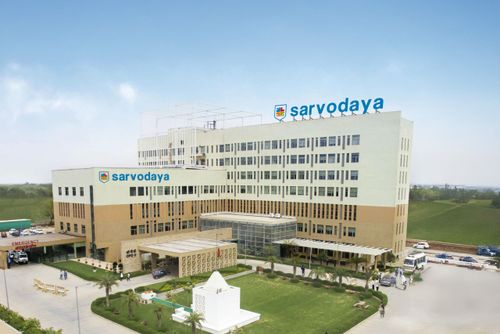
Sarvodaya Hospital provides comprehensive Obstetrics & Gynaecology services, including evaluation and management of conditions such as endometriosis. Treatment is planned according to the patient's symptoms, diagnosis, fertility requirements and overall health, with appropriate medical or surgical management recommended when required.
Symptoms of Endometriosis
- Painful menstrual periods
- Pelvic pain
- Lower abdominal pain
- Pain during or after sexual intercourse
- Painful bowel movements, particularly during menstruation
- Pain while urinating during periods
- Heavy or irregular menstrual bleeding
- Chronic pelvic discomfort
- Bloating
- Fatigue
- Nausea
- Constipation or diarrhoea during menstruation
- Difficulty becoming pregnant
- Lower back pain associated with menstruation
Causes of Endometriosis
- Retrograde Menstruation
- Genetic Factors
- Hormonal Factors
- Immune System Factors
- Cellular Changes
Risk Factors for Endometriosis
- Family History: Having a close relative with endometriosis may increase the risk.
- Early Menstruation: Starting periods at a younger age may increase the number of menstrual cycles over a lifetime.
- Short Menstrual Cycles: More frequent menstrual cycles may increase cumulative exposure to menstruation.
- Heavy or Prolonged Periods: Longer or heavier menstrual bleeding may be associated with increased risk.
- Delayed Childbirth or Infertility: Women experiencing fertility difficulties may be diagnosed with endometriosis during evaluation.
- Reproductive History: Certain patterns of menstruation and reproductive history may influence risk.
Diagnosis of Endometriosis
Accurate diagnosis helps determine the extent of disease, identify associated conditions, and guide Endometriosis Treatment.
- Gynaecological Examination: The doctor reviews menstrual history, pelvic pain, fertility concerns, previous treatments, and other symptoms. A pelvic examination may identify tenderness or abnormalities.
- Ultrasound: Pelvic ultrasound can help identify ovarian endometriomas and other pelvic abnormalities. Transvaginal ultrasound may provide detailed images of the pelvic organs when appropriate.
- MRI: MRI may be recommended when deep endometriosis is suspected or when more detailed assessment of pelvic structures is required.
- Medical History and Symptom Assessment: Understanding the timing, severity, and relationship of pain to menstruation can provide important diagnostic information.
- Laparoscopy: In selected patients, laparoscopy may be used to directly visualise endometriosis and, when appropriate, treat visible lesions during the same procedure.
Treatment Options for Endometriosis
The most appropriate Endometriosis Treatment depends on the severity of symptoms, location and extent of disease, age, fertility plans, previous treatment, and overall health.
- Pain Management: Appropriate pain-relieving medicines may help control menstrual and pelvic pain.
- Hormonal Treatment: Hormonal medicines can reduce or suppress menstrual cycles and may help control endometriosis-related pain and disease activity.
- Surgical Treatment: Surgery may be considered when pain remains significant despite medical treatment, when endometriosis causes anatomical problems, or when certain endometriosis-related conditions require surgical management.
- Endometriosis and Infertility Treatment: Women experiencing difficulty becoming pregnant may require an individualised fertility assessment. Depending on age, ovarian reserve, disease severity, tubal status, and other fertility factors, treatment may involve medical management, surgery, fertility treatment, or assisted reproductive techniques.
- Endometriosis Pregnancy Treatment: Treatment during pregnancy is different from routine endometriosis management. Women who are pregnant or planning pregnancy should discuss medicines and treatment options with their gynaecologist.
- Minimally Invasive Gynaecological Surgery: Where clinically appropriate, minimally invasive and laparoscopic surgical techniques may be considered for the management of endometriosis and other gynaecological conditions.
Benefits of Early Endometriosis Treatment
Timely evaluation and appropriate treatment can help manage symptoms and support reproductive health.
- Relieves Pelvic Pain: Appropriate medical or surgical treatment can reduce endometriosis-related pain.
- Improves Daily Comfort: Better symptom control can make work, education, exercise, sleep, and daily activities easier.
- Supports Fertility Planning: Early assessment can help identify factors that may affect fertility and allow appropriate treatment planning.
- Manages Endometriosis Progression: Individualised treatment and follow-up can help manage persistent or recurrent disease.
Complications if Left Untreated
- Chronic pelvic pain
- Adhesions and scar tissue
- Ovarian endometriomas
- Pain during sexual intercourse
- Bowel or bladder-related symptoms
- Difficulty becoming pregnant
- Recurring symptoms
- Reduced quality of life
- Emotional distress associated with chronic pain
When Should You See a Doctor for Endometriosis?
- Severe menstrual pain
- Pelvic pain that interferes with daily activities
- Pain during sexual intercourse
- Painful bowel movements during periods
- Pain while urinating during menstruation
- Heavy or prolonged menstrual bleeding
- Persistent pelvic or lower back pain
- Difficulty becoming pregnant
- Recurrent symptoms despite pain medication
- Symptoms that progressively worsen
Prevention & Lifestyle Modifications
There is currently no guaranteed way to prevent endometriosis. However, healthy habits can support overall reproductive and general health.
- Maintain a Balanced Diet: A nutritious diet with adequate fruits, vegetables, whole grains, protein, and healthy fats supports overall health.
- Stay Physically Active: Regular moderate physical activity can support general fitness and may help some women manage pain.
- Maintain a Healthy Weight: Maintaining a healthy weight supports overall metabolic and reproductive health.
- Track Menstrual Symptoms: Recording the timing and severity of pain, bleeding, bowel symptoms, and other changes can help your gynaecologist understand symptom patterns.
Pre- and Post-Treatment Care
Pre-Treatment
- Detailed gynaecological consultation
- Menstrual and pain history
- Pelvic examination when appropriate
- Pelvic ultrasound
- MRI when indicated
- Fertility assessment when required
- Review of previous medical records
- Assessment of reproductive goals
- Pre-operative investigations if surgery is planned
Post-Treatment
- Taking prescribed medicines as directed
- Following post-operative instructions when surgery is performed
- Gradual return to normal physical activity
- Monitoring menstrual symptoms
- Follow-up gynaecological consultations
- Fertility follow-up when required
- Reporting persistent or recurrent pelvic pain
- Following recommended lifestyle measures