Emergency

Overview

A cerebral aneurysm, also called a brain aneurysm, develops when a weak area in the wall of a brain artery bulges outwards. Many aneurysms remain small and do not cause symptoms, but a rupture can lead to bleeding around the brain and requires immediate medical attention. Cerebral aneurysm treatment depends on the size, location and shape of the aneurysm, its risk of rupture and the patient's overall health.

At Sarvodaya Hospital, patients seeking guidance about brain aneurysm treatment can consult an appropriately qualified specialist to understand the available diagnostic and treatment options, depending on the services available at the treating location. Early assessment helps doctors determine whether an aneurysm needs monitoring or an intervention such as cerebral aneurysm coiling or surgical clipping.

Symptoms of a Cerebral Aneurysm

  • A headache that is new, worsening or different from usual may require medical evaluation.
  • An aneurysm may cause pain above or behind the eye.
  • Blurred vision, double vision or other visual disturbances may occur.
  • Pressure on nearby nerves may affect sensation or movement.
  • Some patients may experience changes in speech or communication.
  • Dizziness or difficulty with coordination may occur in some cases.

Causes of a Cerebral Aneurysm

  • Weakness in the artery wall
  • High blood pressure
  • Smoking
  • Inherited conditions
  • Family history
  • Blood vessel abnormalities

Diagnosis of a Cerebral Aneurysm

Cerebral aneurysm diagnosis involves reviewing symptoms, medical history and imaging results. An unruptured aneurysm may be detected incidentally during an investigation for another condition.

  • CT scan: A CT scan can help identify bleeding in or around the brain, particularly in an emergency.
  • CT angiography (CTA): This test uses contrast dye and CT imaging to examine blood vessels and assess an aneurysm's size, shape and location.
  • MRI and MR angiography (MRA): These tests provide detailed images of the brain and its blood vessels and may help identify unruptured aneurysms.
  • Cerebral angiography: A catheter-based investigation can provide detailed information about the blood vessels and aneurysm anatomy when required.
  • Additional tests for suspected bleeding: If initial imaging does not explain strong clinical suspicion of bleeding, the medical team may consider further investigations.

Benefits of Timely Cerebral Aneurysm Treatment

  • Reduce the risk of aneurysm rupture in suitable cases
  • Prevent further bleeding after an aneurysm rupture
  • Support appropriate treatment planning through detailed imaging
  • Manage complications associated with aneurysm rupture
  • Protect brain function and reduce the risk of further injury
  • Monitor aneurysm changes and treatment outcomes
  • Support long-term neurological care and follow-up

Prevention and Lifestyle Modifications

  • Manage blood pressure: Follow medical advice about blood pressure checks, medicines and lifestyle changes.
  • Stop smoking: Seek support to stop tobacco use if needed.
  • Attend follow-up appointments: Complete recommended imaging and clinical reviews.
  • Follow prescribed treatment: Take medicines as directed and discuss side effects or concerns with the treating doctor.
  • Maintain healthy habits: Follow a balanced diet and suitable physical activity plan, based on individual medical advice.
  • Discuss family history: Tell your doctor if close relatives have had a brain aneurysm or aneurysm-related bleeding.

When Should You See a Doctor?

  • Consult a doctor for persistent or unusual headaches.
  • Seek medical advice for unexplained visual changes or pain around the eye.
  • Consult a specialist if imaging has identified a cerebral aneurysm.
  • Follow the recommended monitoring schedule and attend regular follow-up appointments.

Pre- and Post-Treatment Care

Pre-Treatment

  • Review CT, MRI or angiography findings.
  • Assess medical history and current medicines.
  • Arrange blood tests and other pre-procedure investigations.
  • Explain the proposed procedure, its potential benefits and risks.
  • Provide instructions about fasting and medication adjustments, where required.

Post-Treatment

  • Neurological observations and monitoring in hospital.
  • Taking prescribed medicines as directed.
  • Following wound care and activity instructions after surgery or catheter-based treatment.
  • Attending follow-up appointments and recommended imaging.
  • Reporting new or worsening symptoms promptly.
  • Undertaking rehabilitation if bleeding or other complications have affected movement, speech or daily activities.
Reviewed & Updated On

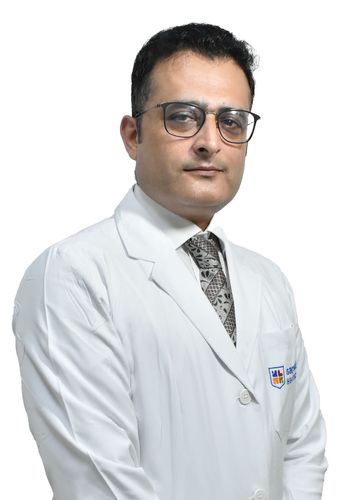
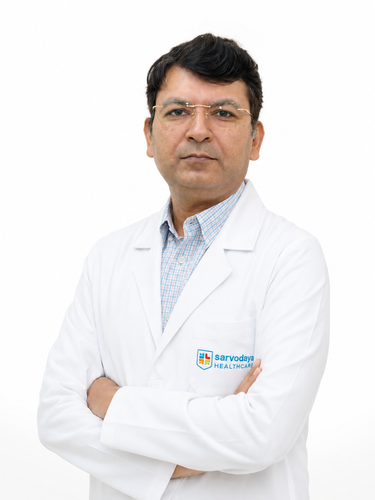
Reviewed by Dr. Abhinav Gupta Director - Neurology on 12-10-2026

Meet Our Experts

View All
Dr. Abhinav Gupta | Neurology,Neurosciences | Sarvodaya Hospital

Dr. Abhinav Gupta

Director - Neurology

Experience: 24+ Years

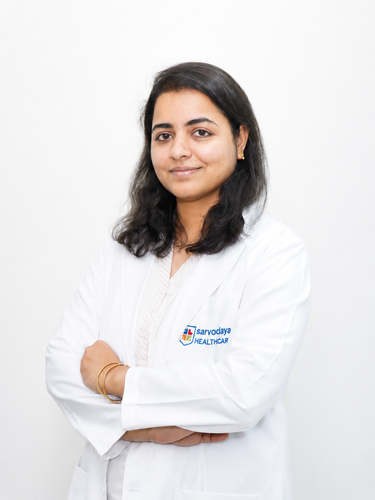
Dr. Ritu Jha | Neurology,Neurosciences | Sarvodaya Hospital

Dr. Ritu Jha

Director & HOD - Neurology

Experience: 21+ Years

Dr. Yawar Shoaib Ali | Neurosurgery,Neurosciences,Spine Surgery | Sarvodaya Hospital

Dr. Yawar Shoaib Ali

Director & Head Unit (I) - Neurosurgery

Experience: 17+ Years

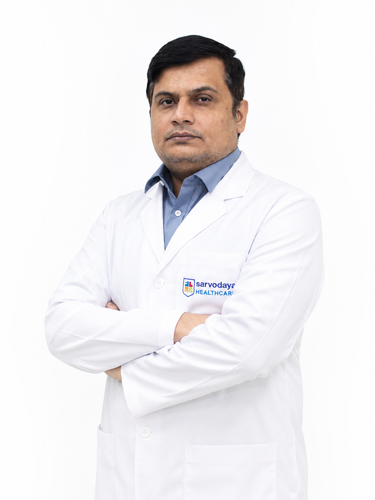
Dr. Gangesh Gunjan | Neurosurgery,Neurosciences,Spine Surgery | Sarvodaya Hospital

Dr. Gangesh Gunjan

Associate Director - Neurosurgery

Experience: 16+ Years

Dr. Naresh Panwar | Neurosurgery,Neurosciences,Spine Surgery | Sarvodaya Hospital

Dr. Naresh Panwar

Senior Consultant & Head Unit (II) - Neurosurgery

Experience: 12+ Years

Dr. Saurabh Sultania | Neurology,Neurosciences | Sarvodaya Hospital

Dr. Saurabh Sultania

Consultant - Neurology

Experience: 9+ Years

Dr. Swarupa Bansode | Neurosciences,Neurology,Paediatric Neurology | Sarvodaya Hospital

Dr. Swarupa Bansode

Consultant - Neurology

Experience: 9+ Years

Dr. Neha Pandey | Neurology,Neurosciences | Sarvodaya Hospital

Dr. Neha Pandey

Consultant – Neurology

Experience: 5+ Years

Dr. Puja Kapoor | Paediatric Neurology,Neurosciences,Neurology,Paediatrics | Sarvodaya Hospital

Dr. Puja Kapoor

Consultant - Paediatric Neurology

Experience: 21+ Years

Dr. Dhawal Sharma  | Neurosurgery,Neurosciences,Spine Surgery | Sarvodaya Hospital

Dr. Dhawal Sharma

Consultant - Neurosurgery

Experience: 12+ Years

Dr. Mayank Nakipuria  | Neurosurgery,Neurosciences | Sarvodaya Hospital

Dr. Mayank Nakipuria

Consultant - Neurosurgery

Experience: 10+ Years

Dr. Prince Agrawal | Neurology,Neurosciences | Sarvodaya Hospital

Dr. Prince Agrawal

Consultant - Neurology

Experience: 10+ Years

Our Network

View All
Sarvodaya Hospital, Sector-8, YMCA Road, Near Escorts Mujesar Metro Station, Faridabad, Haryana 121006

Sarvodaya Hospital

Sector-8, YMCA Road, Near Escorts Mujesar Metro Station, Faridabad, Haryana 121006

google logo 4.6

Sarvodaya Hospital, Sector-8, YMCA Road, Near Escorts Mujesar Metro Station, Faridabad, Haryana 121006

Sarvodaya Hospital

Sector-8, YMCA Road, Near Escorts Mujesar Metro Station, Faridabad, Haryana 121006

Sarvodaya Hospital, Sector-19, Faridabad

Sarvodaya Hospital

Sector-19, Faridabad

google logo 4.6

Sarvodaya Hospital, Sector-19, Faridabad

Sarvodaya Hospital

Sector-19, Faridabad

Sarvodaya Hospital, Greater Noida West (Noida Extension)

Sarvodaya Hospital

Greater Noida West (Noida Extension)

google logo 4.6

Sarvodaya Hospital, Greater Noida West (Noida Extension)

Sarvodaya Hospital

Greater Noida West (Noida Extension)

Sarvodaya Hospital, Mathura, NH-19, Mathura, Uttar Pradesh – 281003

Sarvodaya Hospital, Mathura

NH-19, Mathura, Uttar Pradesh – 281003

google logo 4.8

Sarvodaya Hospital, Mathura, NH-19, Mathura, Uttar Pradesh – 281003

Sarvodaya Hospital, Mathura

NH-19, Mathura, Uttar Pradesh – 281003

Sarvodaya Medicentre, Greater Kailash-1, New Delhi

Sarvodaya Medicentre

Greater Kailash-1, New Delhi

google logo 4.5

Sarvodaya Medicentre, Greater Kailash-1, New Delhi

Sarvodaya Medicentre

Greater Kailash-1, New Delhi

Sarvodaya Super Speciality Clinic, Raj Nagar Extension, Ghaziabad

Sarvodaya Super Speciality Clinic

Raj Nagar Extension, Ghaziabad

google logo 5

Sarvodaya Super Speciality Clinic, Raj Nagar Extension, Ghaziabad

Sarvodaya Super Speciality Clinic

Raj Nagar Extension, Ghaziabad

FAQs

A cerebral aneurysm is a bulge in a weakened area of an artery in the brain. Many remain unruptured and cause no symptoms. If an aneurysm ruptures, it can cause bleeding around the brain and requires emergency medical care.

Rupture occurs when the weakened artery wall gives way. Factors associated with a higher risk include aneurysm size, location and shape, high blood pressure and smoking. However, rupture cannot be predicted with certainty for every individual.

An unruptured aneurysm may be found during imaging for another condition or after assessment of certain symptoms or risk factors. Tests can include CT angiography, MR angiography and, when necessary, cerebral angiography.

Treatment may be recommended when the estimated risk of rupture or other complications is considered greater than the risks of intervention. Doctors assess the aneurysm's size, location, shape, growth, symptoms and the patient's health. Some aneurysms can be monitored with regular imaging instead.

Clipping is an operation in which a neurosurgeon places a clip across the aneurysm's neck to stop blood from entering it. Coiling is an endovascular procedure in which small coils are inserted through a catheter into the aneurysm. The appropriate option depends on the aneurysm's anatomy and the patient's condition.

Endovascular treatment may be suitable when the aneurysm's location and shape allow it to be treated from inside the blood vessels. Options include coiling and, for selected cases, stent-assisted techniques or flow diversion. A specialist assesses whether these approaches are appropriate.

Emergency care involves rapid assessment, brain imaging and urgent treatment to secure the aneurysm, usually through clipping or an endovascular procedure. The patient may also require intensive monitoring, medicines and treatment for complications such as impaired blood flow or fluid build-up around the brain.

Possible complications include further bleeding, stroke, narrowing of brain blood vessels, fluid build-up around the brain, seizures and neurological difficulties affecting movement, speech or memory. The type and severity of complications vary, and some patients need rehabilitation.

Yes. Some aneurysms can grow or change shape, although others remain stable. Regular follow-up imaging helps doctors identify changes and reconsider the treatment plan when necessary. The monitoring schedule should be set by the treating specialist.

Follow-up may involve CT angiography, MR angiography or catheter-based cerebral angiography, depending on the treatment and clinical circumstances. Imaging helps check whether the aneurysm remains securely treated and whether any recurrence or change has occurred.

Speak to Our Health Experts

Get reliable medical advice anytime, anywhere.

Quick Enquiry
🖐Hi
E M E R G E N C Y