
Overview
A Brain Haemorrhage, Intracranial Haemorrhage or Intracerebral Haemorrhage, refers to bleeding within the brain tissue or the spaces surrounding it, most often caused by a ruptured blood vessel. This condition is a medical emergency, since bleeding inside the skull raises pressure on delicate brain tissue and can cause lasting damage within minutes.
A Brain Haemorrhage is one of the two major types of stroke, the other being an ischaemic stroke caused by a blocked blood vessel rather than a bleed. Both interrupt the brain's blood supply and demand urgent care, but their causes and treatment approaches differ significantly.
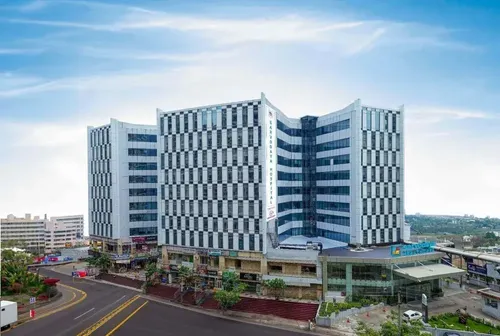
Timely evaluation at Sarvodaya Hospital, recognised as one of the best neurology hospitals in India for emergency neuro care, gives patients access to rapid imaging, an experienced neurosurgery team, and round-the-clock critical care - all of which can be decisive in the first hours after a bleed.
Brain Haemorrhage Symptoms
- A sudden, abnormally severe headache
- One side of the face, arm, or leg feels weak or numb
- Slurred speech or difficulty understanding others
- Sudden blurred, double, or lost vision
- Loss of balance, coordination, or dizziness
- Nausea and vomiting
- Seizures with no prior history of them
- Sudden confusion or difficulty staying alert
- Loss of consciousness in severe cases
Brain Haemorrhage Causes
- Chronic high blood pressure weakening blood vessel walls over time
- Traumatic brain injury from a fall or accident
- Rupture of a brain aneurysm
- Arteriovenous malformation (AVM), an abnormal tangle of blood vessels
- Blood-thinning medications or underlying bleeding disorders
- Cerebral amyloid angiopathy, more common in older adults
- Brain tumours that bleed into surrounding tissue
- Use of illicit stimulant drugs such as cocaine
- Liver disease affecting normal blood clotting
Risk Factors for Brain Haemorrhage
Several health conditions and lifestyle patterns can raise the likelihood of a bleed.
Some of the key risk factors for Brain Haemorrhage include:
- Age: Blood vessels naturally weaken over time, making older adults more vulnerable.
- Uncontrolled Hypertension: The single largest risk factor, as sustained high pressure damages vessel walls.
- Smoking: Damages blood vessels and accelerates their weakening.
- Heavy Alcohol Use: Raises blood pressure and interferes with normal clotting.
- Obesity and Sedentary Lifestyle: Contribute to hypertension and vascular strain.
- Family History: A history of aneurysms or AVMs increases inherited risk.
Diagnosis of Brain Haemorrhage
A specialist typically combines a clinical assessment with imaging to confirm the location and extent of bleeding.
The Brain Haemorrhage diagnosis test typically includes:
- Clinical Evaluation: Assesses consciousness, speech, vision, motor function, and reflexes to gauge severity.
- CT Scan for Brain Haemorrhage: The fastest way to confirm active bleeding and its location.
- MRI Brain for Brain Haemorrhage: Provides a more detailed view of brain tissue once the patient is stable.
- Cerebral Angiography: Identifies an aneurysm or AVM as the underlying cause.
- Blood Tests: Check clotting function and rule out other contributing factors.
Treatment Options for Brain Haemorrhage
A neurosurgeon for Brain Haemorrhage works closely with the neurology and critical care team to decide the safest course of action.
The treatment options for Brain Haemorrhage include:
- Emergency Medical Management: Airway support, blood pressure control, and close monitoring in a neuro-critical care unit.
- Surgical Intervention: Surgery to remove accumulated blood, repair a ruptured vessel, or relieve pressure on the brain, using minimally invasive and micro-endoscopic techniques wherever suitable.
- Endovascular Surgeries: Minimally invasive, catheter-based techniques to treat an aneurysm or AVM and prevent rebleeding.
- Aneurysm Clipping: Places a clip at the base of a ruptured or at-risk aneurysm to seal it off.
- Critical Care Monitoring: Continuous neurological monitoring to catch complications such as brain swelling early.
Sarvodaya Hospital, regarded as one of the best neurosurgery hospitals in India, combines advanced imaging with a dedicated neurosurgery and neuro-critical care team to plan brain bleeding treatment around each patient's specific needs, with transparent Brain Haemorrhage treatment cost in India.
Benefits of Minimally Invasive Neurosurgical Techniques
Not every Brain Haemorrhage requires surgery, but when it does, minimally invasive and micro-endoscopic techniques offer clear advantages over traditional open surgeries wherever they are suitable. These approaches are designed to remove blood safely while limiting disruption to healthy brain tissue.
Some of the key benefits of this approach include:
- Smaller Incisions: Reduce trauma to the scalp and skull compared to open surgery.
- Reduced Tissue Disruption: Preserves healthy brain tissue surrounding the bleed.
- Shorter ICU and Hospital Stays: Supports a faster return to daily activities.
- Lower Risk of Infection: Smaller surgical sites reduce post-operative complication rates.
- Faster Neurological Recovery: May support better functional outcomes in appropriately selected patients.
Complications if Left Untreated
Delaying care for a Brain Haemorrhage from a qualified Brain Haemorrhage specialist can lead to complications that are often irreversible. The longer bleeding and pressure go unaddressed, the greater the risk to long-term brain function.
Complications of an untreated Brain Haemorrhage can include:
- Permanent brain damage affecting movement, speech, or memory
- Paralysis or persistent weakness on one side of the body
- Coma or a prolonged loss of consciousness
- Hydrocephalus caused by blocked fluid drainage in the brain
- Recurrent bleeding in the same area
- Death, particularly when treatment is delayed beyond the critical early hours
When Should You See a Brain Haemorrhage Specialist?
Seek emergency care from an expert neurologist in Greater Noida West or your nearest emergency department immediately if you or someone with you experiences:
- A sudden, severe headache described as "the worst of their life"
- One side of the body feels numb or weak
- Slurred speech or trouble understanding speech
- Sudden vision loss or double vision
- Loss of consciousness or unresponsiveness
- A seizure with no previous history of seizures
- A severe head injury followed by any of the above symptoms
Call for emergency medical transport rather than driving yourself or the person affected - every minute of delay can affect the extent of recovery.
Prevention & Lifestyle Modifications
While not every Brain Haemorrhage can be prevented, several lifestyle measures can meaningfully lower the risk.
Some practical preventive measures are:
- Manage Blood Pressure: Monitor and control hypertension through regular check-ups and medication where prescribed.
- Avoid Smoking and Limit Alcohol: Both can accelerate the weakening of blood vessel walls.
- Maintain a Healthy Weight: Regular physical activity helps support healthy blood pressure and vascular function.
- Manage Diabetes and Cholesterol: Keeping these within a healthy range helps reduce vascular strain.
- Prevent Head Injury: Wear seatbelts and helmets to reduce the risk of trauma-related bleeds.
- Avoid Recreational Stimulant Drugs: Substances such as cocaine significantly raise bleeding risk.
Pre-Post Treatment Care
Pre-Treatment
- Emergency evaluation by an experienced neurologist in Faridabad
- Urgent CT and, where appropriate, MRI imaging to confirm the diagnosis
- Blood pressure and coagulation stabilisation
- Family counselling and consent for surgical intervention, where required
Post-Treatment
- Close monitoring in a neuro-critical care unit
- Neuro-rehabilitation, including physiotherapy, speech therapy, and occupational therapy
- Medication management for blood pressure and seizure prevention
- Regular follow-up imaging and consultations to track recovery progress
Reviewed & Updated On
Reviewed by Dr. Ritu Jha Director & HOD - Neurology on 10-July-2026