Emergency

Overview

Bile duct stones, medically known as choledocholithiasis when they occur in the common bile duct, are hardened deposits that block or partially obstruct the tubes carrying bile from the liver and gallbladder to the small intestine. Most bile duct stones originate in the gallbladder and move into the common bile duct. Some may form within the bile ducts themselves.

Bile duct stones can interfere with bile flow and cause abdominal pain, jaundice and inflammation. If left untreated, a blockage can lead to serious complications, including cholangitis, an infection of the bile ducts, or pancreatitis. Bile duct stone treatment depends on the stone's size, number, location and the presence of complications.

Symptoms of Bile Duct Stones

  • Pain may occur in the upper right or upper middle part of the abdomen and may spread towards the back.
  • The skin and whites of the eyes may turn yellow when bile cannot drain properly.
  • Excess bilirubin in the bloodstream can make urine darker than usual.
  • Reduced bile reaching the intestine can make stools appear lighter.
  • These symptoms may accompany abdominal pain or inflammation.
  • These may indicate an infection in the bile ducts and require urgent medical assessment.
  • Bile-related substances accumulating in the bloodstream may cause itching.

Causes of Bile Duct Stones

  • Gallstones Moving into the Bile Duct
  • Stone Formation Within the Bile Ducts
  • Bile Duct Narrowing or Obstruction
  • Changes in Bile Composition

Diagnosis of Bile Duct Stones

Bile duct stone diagnosis involves reviewing symptoms, examining the patient and assessing blood test and imaging results.

  • Abdominal Ultrasound: An abdominal ultrasound is often used as an initial investigation. It can identify gallstones in the gallbladder and may show widening of the bile ducts.
  • Magnetic Resonance Cholangiopancreatography (MRCP) : MRCP uses magnetic resonance imaging to produce detailed images of the bile and pancreatic ducts.
  • Endoscopic Ultrasound (EUS) : Endoscopic ultrasound combines endoscopy with ultrasound imaging to examine the bile ducts and nearby structures.
  • ERCP : Endoscopic retrograde cholangiopancreatography (ERCP) combines endoscopy and X-ray imaging. It can identify bile duct abnormalities and, importantly, allow doctors to remove stones or restore drainage during the same procedure.

Benefits of Timely Bile Duct Stone Treatment

  • Restore normal bile flow into the intestine
  • Help reduce jaundice and elevated bilirubin levels
  • Reduce the risk of bile duct infections and related complications
  • Prevent further inflammation and gallstone-related pancreatitis
  • Relieve symptoms caused by bile duct obstruction
  • Support planning for further treatment, including gallbladder removal when needed
  • Reduce the risk of complications through timely medical care
  • Support recovery and long-term digestive health

Complications if Left Untreated

  • Infection and inflammation of the bile ducts, which can become life-threatening if severe.
  • A build-up of bilirubin that causes yellowing of the skin and eyes.
  • Inflammation of the pancreas when a stone obstructs the shared drainage area.
  • Persistent obstruction and infection may affect liver function.
  • Ongoing or repeated episodes of pain may occur while obstruction persists.
  • A bile duct infection can spread into the bloodstream and cause sepsis.

Prevention and Lifestyle Modifications

  • Maintain a balanced diet: Include fibre-rich foods, vegetables, fruit and suitable sources of healthy fats.
  • Avoid rapid weight loss: Rapid weight reduction can increase the risk of gallstone formation. Seek medical guidance if weight management is needed.
  • Maintain a healthy weight: Gradual, sustainable lifestyle changes may help reduce certain gallstone risk factors.
  • Stay physically active: Regular activity can support overall metabolic health.
  • Follow medical advice: Attend recommended follow-up appointments after treatment.
  • Address the underlying cause: If gallstones remain in the gallbladder, discuss whether gallbladder removal is appropriate.

When Should You See a Doctor?

  • Fever or chills with abdominal pain
  • Jaundice accompanied by pain or fever
  • Severe or persistent abdominal pain
  • Repeated vomiting
  • Marked weakness, confusion or worsening illness

Pre- and Post-Treatment Care

Pre-Treatment

  • Review symptoms, medical history and current medicines.
  • Check liver function, blood counts and other relevant blood tests.
  • Review ultrasound, MRCP or EUS findings.
  • Explain the proposed procedure, expected benefits and possible risks.
  • Provide instructions about fasting and medicine adjustments.
  • Assess whether antibiotics or other treatment are needed if infection is suspected.

Post-Treatment

  • Following the team's instructions about food and fluids.
  • Taking prescribed medicines as directed.
  • Attending follow-up appointments and reviewing test results.
  • Confirming whether a temporary bile duct stent needs removal or replacement.
  • Discussing gallbladder removal if gallstones remain in the gallbladder.
  • Following wound-care and activity instructions after surgery.

Reviewed & Updated On

Reviewed by Air Cmde (Dr.) Bhaskar Nandi Director & Head - Gastroenterology, Hepatology & Endoscopy on 28-09-2026

Meet Our Experts

View All
Air Cmde  (Dr.) Bhaskar Nandi | Gastroenterology | Sarvodaya Hospital

Air Cmde (Dr.) Bhaskar Nandi

Director & Head - Gastroenterology, Hepatology & Endoscopy

Experience: 33+ Years

Dr. Jagat Jot Singh Gill | Gastroenterology | Sarvodaya Hospital

Dr. Jagat Jot Singh Gill

Consultant - Gastroenterology

Experience: 8+ Years

Dr. Kshitiz Sharan | Gastroenterology | Sarvodaya Hospital

Dr. Kshitiz Sharan

Consultant – Gastroenterology

Experience: 8+ Years

 Dr. Manoj Yadav | Gastroenterology | Sarvodaya Hospital

Dr. Manoj Yadav

Consultant - Gastroenterology

Experience: 8+ Years

Dr. Neelakanth U Parappanavar    | Gastroenterology | Sarvodaya Hospital

Dr. Neelakanth U Parappanavar

Consultant - Gastroenterology

Experience: 7+ Years

Dr. Nisha B Jain | Gastroenterology | Sarvodaya Hospital

Dr. Nisha B Jain

Consultant - Surgical Gastroenterology

Experience: 10+ Years

Dr. Vishnu Dev | Gastroenterology | Sarvodaya Hospital

Dr. Vishnu Dev

Associate Consultant - Gastroenterology & Hepatology

Experience: 4+ Years

Our Network

View All
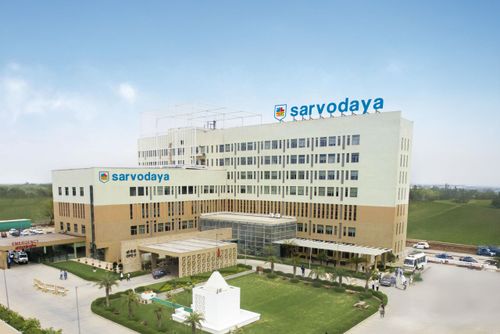
Sarvodaya Hospital, Sector-8, YMCA Road, Near Escorts Mujesar Metro Station, Faridabad, Haryana 121006

Sarvodaya Hospital

Sector-8, YMCA Road, Near Escorts Mujesar Metro Station, Faridabad, Haryana 121006

google logo 4.6

Sarvodaya Hospital, Sector-8, YMCA Road, Near Escorts Mujesar Metro Station, Faridabad, Haryana 121006

Sarvodaya Hospital

Sector-8, YMCA Road, Near Escorts Mujesar Metro Station, Faridabad, Haryana 121006

Sarvodaya Hospital, Sector-19, Faridabad

Sarvodaya Hospital

Sector-19, Faridabad

google logo 4.6

Sarvodaya Hospital, Sector-19, Faridabad

Sarvodaya Hospital

Sector-19, Faridabad

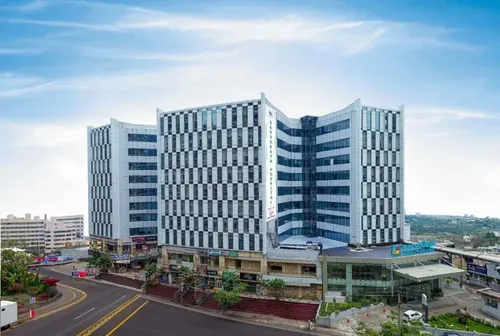
Sarvodaya Hospital, Greater Noida West (Noida Extension)

Sarvodaya Hospital

Greater Noida West (Noida Extension)

google logo 4.6

Sarvodaya Hospital, Greater Noida West (Noida Extension)

Sarvodaya Hospital

Greater Noida West (Noida Extension)

Sarvodaya Hospital, Mathura, NH-19, Mathura, Uttar Pradesh – 281003

Sarvodaya Hospital, Mathura

NH-19, Mathura, Uttar Pradesh – 281003

google logo 4.8

Sarvodaya Hospital, Mathura, NH-19, Mathura, Uttar Pradesh – 281003

Sarvodaya Hospital, Mathura

NH-19, Mathura, Uttar Pradesh – 281003

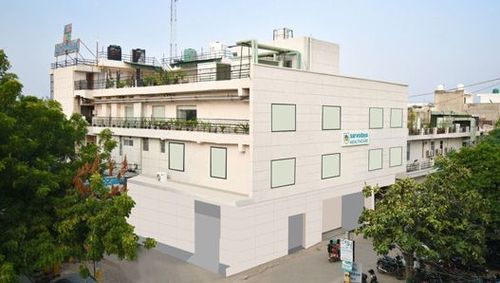
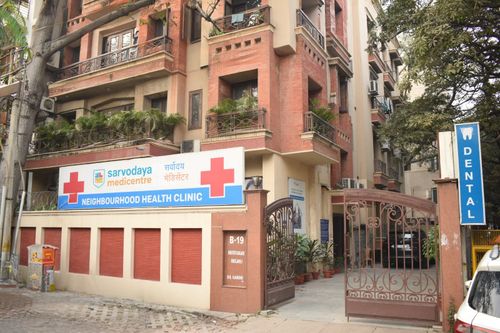
Sarvodaya Medicentre, Greater Kailash-1, New Delhi

Sarvodaya Medicentre

Greater Kailash-1, New Delhi

google logo 4.5

Sarvodaya Medicentre, Greater Kailash-1, New Delhi

Sarvodaya Medicentre

Greater Kailash-1, New Delhi

Sarvodaya Super Speciality Clinic, Raj Nagar Extension, Ghaziabad

Sarvodaya Super Speciality Clinic

Raj Nagar Extension, Ghaziabad

google logo 5

Sarvodaya Super Speciality Clinic, Raj Nagar Extension, Ghaziabad

Sarvodaya Super Speciality Clinic

Raj Nagar Extension, Ghaziabad

FAQs

Bile duct stones are hardened deposits within the tubes that carry bile from the liver and gallbladder to the small intestine. Most common bile duct stones originate in the gallbladder and move into the duct. Some form directly in the bile ducts, particularly when bile drainage is impaired.

Diagnosis may involve blood tests, abdominal ultrasound, MRCP or endoscopic ultrasound. These investigations help identify stones and assess whether bile flow is blocked. ERCP may be used when the doctor expects to treat the blockage, as it allows stones to be removed during the procedure.

Yes. A stone that blocks bile flow can cause bilirubin to build up in the blood, leading to yellowing of the skin and eyes. Dark urine, pale stools and itching may also occur. Jaundice with fever or abdominal pain requires urgent medical assessment.

ERCP is generally recommended when a common bile duct stone needs removal or when a blockage requires treatment. It may be used when stones are confirmed or when clinical and imaging findings strongly indicate a blockage that needs intervention. The doctor considers the benefits and risks before recommending the procedure.

The specialist passes an endoscope through the mouth into the small intestine and guides a catheter into the bile duct. Using X-ray guidance, the doctor identifies the stones and may widen the duct opening. A retrieval balloon or basket is then used to remove the stones. Additional techniques may be needed for larger or difficult stones.

Yes. A stone can block the area where the bile and pancreatic ducts drain, potentially triggering pancreatitis. If a blocked bile duct becomes infected, cholangitis may develop. Both conditions can be serious and require prompt medical assessment.

Gallbladder removal is often recommended when stones have moved from the gallbladder into the common bile duct, because stones may recur if the gallbladder remains. However, the decision depends on the patient's health, surgical risk and the source of the stones. The treating team will advise on the appropriate approach and timing.

Complete blockage can cause jaundice and may lead to infection or inflammation of the bile ducts. It can also contribute to pancreatitis if the blockage affects pancreatic drainage. Urgent assessment is important because endoscopic drainage or stone removal may be required.

Some patients go home the same day after observation, while others need an overnight stay, depending on their condition and the complexity of treatment. Mild bloating or a sore throat may settle within a short time. Recovery can take longer if additional procedures or treatment for complications are needed.

Yes. Stones can recur or new stones can form, particularly if gallstones remain in the gallbladder or an underlying drainage problem persists.

Speak to Our Health Experts

Get reliable medical advice anytime, anywhere.

Quick Enquiry
🖐Hi
E M E R G E N C Y