Emergency

Overview

Aortic valve replacement is a treatment used to replace a diseased or damaged aortic valve when it no longer functions properly. The aortic valve controls blood flow from the heart's left ventricle into the aorta, which supplies oxygen-rich blood to the body.

Aortic valve replacement may be recommended for patients with severe aortic stenosis, where the valve becomes narrowed and restricts blood flow. It may also be considered for certain cases of aortic valve regurgitation or other forms of significant valve disease.

Depending on the patient's age, health, valve condition, anatomy and overall surgical risk, treatment options may include surgical aortic valve replacement (SAVR) or a catheter-based procedure such as TAVR/TAVI.

When Is Aortic Valve Replacement Recommended?

Aortic valve replacement may be recommended when aortic valve disease becomes severe or starts to significantly affect heart function and quality of life. Your cardiologist may consider valve replacement in cases of severe aortic stenosis, significant aortic valve regurgitation, symptoms related to aortic valve disease, reduced heart function, progressive deterioration of the valve, increased strain on the heart, or when valve replacement is required during another cardiac surgery. The decision is based on clinical assessment, imaging findings, symptoms, overall health and the type and severity of the valve disease.

Diagnosis Before Aortic Valve Replacement

A detailed cardiac evaluation is performed before deciding whether valve replacement is appropriate. The assessment may include:

  • Medical history and physical examination
  • Electrocardiogram (ECG)
  • Echocardiography
  • Doppler assessment of the aortic valve
  • Chest imaging when required
  • Cardiac CT, particularly when planning TAVR/TAVI
  • Cardiac catheterisation or coronary angiography when indicated
  • Blood tests and pre-procedure health assessment

Technology and Infrastructure

Aortic valve replacement requires detailed assessment and treatment planning. Depending on the selected procedure, cardiac care may involve advanced echocardiography, Doppler imaging, cardiac CT for TAVR/TAVI planning, cardiac catheterization and coronary angiography when indicated, intraoperative cardiac monitoring, imaging guidance during catheter-based valve procedures, and intensive cardiac monitoring after surgery or intervention.

The specific investigations and technologies used depend on the patient's condition and the planned valve replacement procedure.

Benefits of Aortic Valve Replacement

  • Improve blood flow from the heart
  • Reduce symptoms caused by severe valve disease
  • Improve exercise tolerance
  • Reduce the workload on the heart
  • Support heart function
  • Improve quality of life
  • Reduce complications associated with severe untreated valve disease

Medicines and Follow-Up After Valve Replacement

Recovery after aortic valve replacement varies depending on whether the patient undergoes TAVR/TAVI or surgical valve replacement. After the procedure, the cardiac team monitors heart rhythm, blood pressure, valve function and the patient's overall recovery.


Patients may be advised to take prescribed medicines as directed, attend scheduled follow-up appointments, follow activity and rehabilitation recommendations, maintain good dental and oral hygiene, follow advice regarding infection prevention, report any new or worsening symptoms promptly, and continue regular cardiac assessments.

Recovery after TAVR may be shorter for some patients, while surgical valve replacement generally requires a longer recovery period.

How Long Does an Artificial Aortic Valve Last?

The lifespan of an artificial valve depends on the type of valve and individual patient factors.

Mechanical valves are designed to be highly durable and can function for many years. Tissue valves also provide effective long-term valve function, but they can gradually deteriorate over time.

Regular follow-up helps the cardiology team monitor the replacement valve and identify any changes in valve function.

Why Choose Sarvodaya Hospital for Aortic Valve Replacement?

Aortic valve replacement requires detailed evaluation, appropriate treatment selection and coordinated cardiac care.

At Sarvodaya Hospital, patients can undergo cardiac assessment and treatment planning based on their symptoms, valve condition, diagnostic findings and overall health. The cardiac team evaluates the available treatment options and recommends the approach that is most appropriate for the individual patient.

Why Patients Choose Specialist Cardiac Care

  • Experienced Cardiology Team: Specialist evaluation and management of heart valve conditions.
  • Comprehensive Cardiac Assessment: Detailed evaluation of valve function and overall cardiac health.
  • Advanced Diagnostic Support: Access to cardiac imaging and investigations required for treatment planning.
  • Personalised Treatment Planning: Treatment recommendations based on the patient's condition, anatomy and clinical requirements.
  • Multiple Treatment Approaches: Assessment for surgical or catheter-based valve replacement when clinically appropriate.
  • Continuity of Care: Follow-up support to monitor valve function and long-term cardiac health.
Reviewed & Updated On

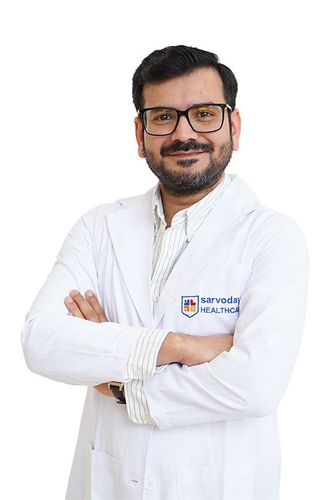
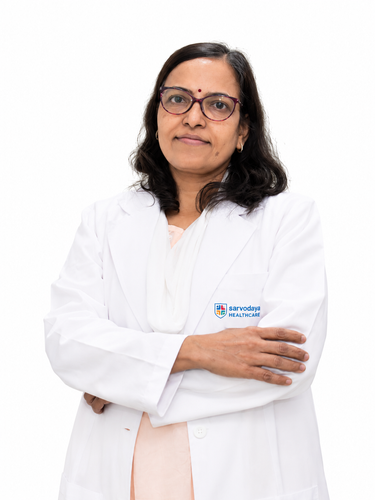
Reviewed by Dr. Gyanti RB Singh Director & Head - Interventional Cardiology on 02-08-2026

Meet Our Experts

View All
Dr. Gyanti RB Singh | Interventional Cardiology,Cardiology,Cardiac Sciences | Sarvodaya Hospital

Dr. Gyanti RB Singh

Director & Head - Interventional Cardiology

Experience: 26+ Years

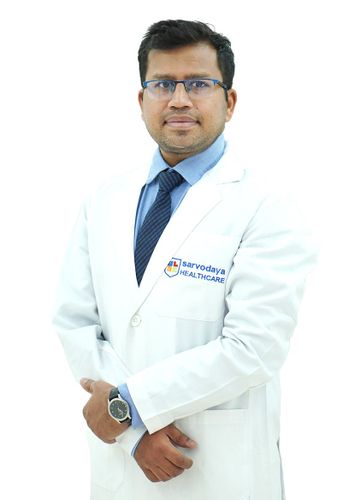
Dr. Amit Kumar | Interventional Cardiology,Cardiology,Cardiac Sciences | Sarvodaya Hospital

Dr. Amit Kumar

Associate Director & Head (Unit I) - Interventional Cardiology

Experience: 23+ Years

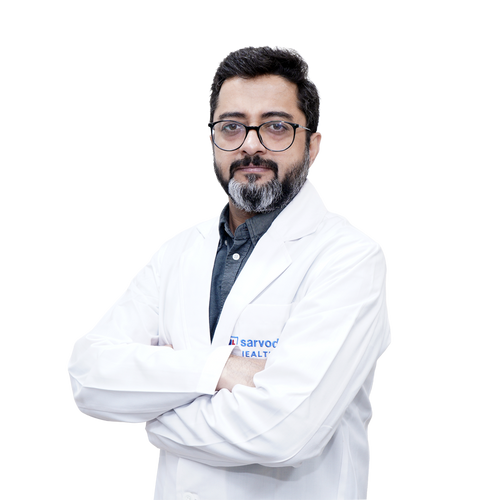
Dr. Anupam Das | Cardiothoracic & Vascular Surgery,Paediatric Cardiology & Cardiac Surgery,Cardiac Sciences | Sarvodaya Hospital

Dr. Anupam Das

Senior Consultant & Head - Cardiothoracic & Vascular Surgery

Experience: 13+ Years

Dr. Amit Kumar Gupta | Cardiology,Cardiac Sciences | Sarvodaya Hospital

Dr. Amit Kumar Gupta

Senior Consultant & Head - Cardiology

Experience: 12+ Years

Dr. Arvind Dambalkar | Interventional Cardiology,Cardiac Sciences | Sarvodaya Hospital

Dr. Arvind Dambalkar

Senior Consultant & Head (Unit II) – Interventional Cardiology

Experience: 12+ Years

Dr. Ujjawal Kumar | Cardiac Sciences,Cardiology | Sarvodaya Hospital

Dr. Ujjawal Kumar

Senior Consultant - Cardiology

Experience: 12+ Years

Dr. Jay Relan | Paediatric Cardiology & Congenital Heart Disease ,Paediatric Cardiology & Cardiac Surgery,Cardiac Sciences | Sarvodaya Hospital

Dr. Jay Relan

Senior Consultant - Paediatric Cardiology & Congenital Heart Disease

Experience: 10+ Years

Dr. Puneet Gupta | Cardiothoracic & Vascular Surgery,Cardiac Sciences | Sarvodaya Hospital

Dr. Puneet Gupta

Senior Consultant - Cardiothoracic & Vascular Surgery

Experience: 10+ Years

Dr. Sheikh Mohd Murtaza | Paediatric Cardiology & Cardiac Surgery,Cardiac Sciences | Sarvodaya Hospital

Dr. Sheikh Mohd Murtaza

Consultant- Paediatric Cardiology & Cardiac Surgery

Experience: 8+ Years

Dr. Manoj Kumar Sharma | Interventional Cardiology,Cardiac Sciences | Sarvodaya Hospital

Dr. Manoj Kumar Sharma

Consultant - Interventional Cardiology

Experience: 12+ Years

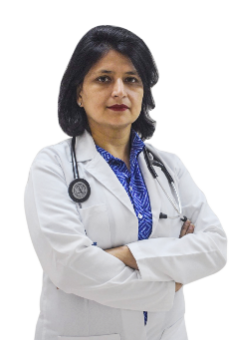
Dr. Nitasha Singh | Non-Invasive Cardiology,Cardiac Sciences,Cardiology | Sarvodaya Hospital

Dr. Nitasha Singh

Associate Director & HOD - Non-Invasive Cardiology

Experience: 19+ Years

Our Network

View All
Sarvodaya Hospital, Sector-8, YMCA Road, Near Escorts Mujesar Metro Station, Faridabad, Haryana 121006

Sarvodaya Hospital

Sector-8, YMCA Road, Near Escorts Mujesar Metro Station, Faridabad, Haryana 121006

google logo 4.6

Sarvodaya Hospital, Sector-8, YMCA Road, Near Escorts Mujesar Metro Station, Faridabad, Haryana 121006

Sarvodaya Hospital

Sector-8, YMCA Road, Near Escorts Mujesar Metro Station, Faridabad, Haryana 121006

Sarvodaya Hospital, Sector-19, Faridabad

Sarvodaya Hospital

Sector-19, Faridabad

google logo 4.6

Sarvodaya Hospital, Sector-19, Faridabad

Sarvodaya Hospital

Sector-19, Faridabad

Sarvodaya Hospital, Greater Noida West (Noida Extension)

Sarvodaya Hospital

Greater Noida West (Noida Extension)

google logo 4.6

Sarvodaya Hospital, Greater Noida West (Noida Extension)

Sarvodaya Hospital

Greater Noida West (Noida Extension)

Sarvodaya Hospital, Mathura, NH-19, Mathura, Uttar Pradesh – 281003

Sarvodaya Hospital, Mathura

NH-19, Mathura, Uttar Pradesh – 281003

google logo 4.8

Sarvodaya Hospital, Mathura, NH-19, Mathura, Uttar Pradesh – 281003

Sarvodaya Hospital, Mathura

NH-19, Mathura, Uttar Pradesh – 281003

Sarvodaya Medicentre, Greater Kailash-1, New Delhi

Sarvodaya Medicentre

Greater Kailash-1, New Delhi

google logo 4.5

Sarvodaya Medicentre, Greater Kailash-1, New Delhi

Sarvodaya Medicentre

Greater Kailash-1, New Delhi

Sarvodaya Super Speciality Clinic, Raj Nagar Extension, Ghaziabad

Sarvodaya Super Speciality Clinic

Raj Nagar Extension, Ghaziabad

google logo 5

Sarvodaya Super Speciality Clinic, Raj Nagar Extension, Ghaziabad

Sarvodaya Super Speciality Clinic

Raj Nagar Extension, Ghaziabad

FAQs

Aortic valve replacement may be recommended for severe aortic stenosis, significant aortic valve regurgitation or other advanced valve disease, particularly when symptoms or changes in heart function are present.

Symptoms may include breathlessness, chest discomfort, dizziness, fainting, fatigue, reduced exercise tolerance, palpitations and swelling of the legs or feet. A cardiologist should evaluate persistent or worsening symptoms.

The main options are surgical aortic valve replacement (SAVR) and transcatheter aortic valve replacement (TAVR), also called TAVI. The appropriate option depends on the patient's condition and heart team assessment.

TAVR is a catheter-based procedure in which a replacement valve is delivered through a blood vessel and positioned within the diseased valve. Surgical replacement involves removing the diseased valve and replacing it during cardiac surgery.

TAVR may be suitable for selected patients with severe aortic stenosis. Suitability depends on factors such as valve anatomy, overall health, surgical risk and the patient's individual treatment requirements.

A mechanical valve is made from durable artificial materials and generally requires lifelong anticoagulant treatment. A tissue valve is made from biological tissue and may not require lifelong anticoagulation solely because of the valve.

The procedure duration varies depending on whether the patient undergoes surgical replacement or TAVR/TAVI and whether additional cardiac procedures are required. The treating cardiac team can provide an estimate based on the planned procedure.

Recovery varies between patients and depends on the procedure performed. TAVR may allow a shorter recovery for some patients, while surgical valve replacement generally requires a longer recovery period.

Medicines depend on the type of valve and the patient's medical condition. Follow-up generally includes cardiology consultations, valve-function monitoring and medicines such as anticoagulants when clinically indicated.

Mechanical valves are designed for long-term durability, while tissue valves can gradually deteriorate over time. Regular cardiac follow-up helps monitor the function of the replacement valve and identify changes when they occur.

Speak to Our Health Experts

Get reliable medical advice anytime, anywhere.

Quick Enquiry
🖐Hi
E M E R G E N C Y