


Minimally invasive surgery uses small incisions and specialised instruments to perform selected surgical procedures. Laparoscopic surgery is one type of minimally invasive surgery in which a camera and surgical instruments are inserted through small openings, commonly in the abdomen.

Dr. Shashank Maheshwari
Senior Consultant - General & Minimal Invasive Surgery
Specialization
- Minimally Invasive & Laparoscopic Surgery
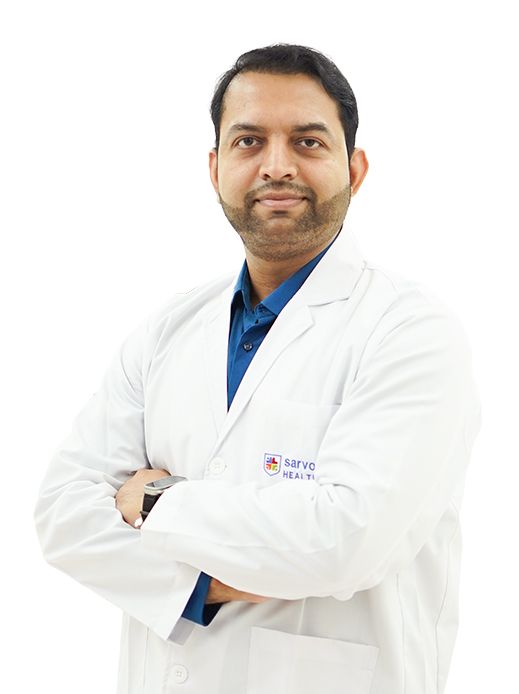
Dr. Vikram Singh Yadav
Senior Consultant - General & Minimal Invasive Surgery
Specialization
- Minimally Invasive & Laparoscopic Surgery
Minimally invasive and laparoscopic surgery involves using small incisions and specialised instruments to perform selected surgical procedures. Laparoscopic surgery is commonly performed through small openings in the abdomen using a camera and surgical instruments.
A laparoscopic surgeon in Mathura evaluates your condition, medical history and diagnostic reports before recommending the most appropriate surgical approach. Depending on the procedure, minimally invasive surgery may help reduce incision size, post-operative discomfort and recovery time compared with certain open surgical techniques.
At Sarvodaya Hospital, patients can consult a general and laparoscopic surgeon to understand their treatment options, surgical suitability and expected recovery.
What Is Minimally Invasive Surgery?
Minimally invasive surgery uses specialised instruments, cameras and small incisions to perform selected operations. In laparoscopic procedures, the surgeon inserts a camera called a laparoscope through a small incision to view the internal structures.
The surgeon may use additional small incisions to insert instruments and complete the procedure. Depending on the condition and surgical requirements, minimally invasive procedures may be performed through the abdomen, chest or other parts of the body.
The choice between laparoscopic, minimally invasive and open surgery depends on the patient's condition, previous surgeries, anatomy, available equipment and the surgeon's clinical assessment.
Conditions Treated Through Laparoscopic Surgery
A laparoscopic surgery specialist in Mathura may evaluate and perform procedures for several abdominal and general surgical conditions.
These may include:
- Gallstones and gallbladder disease
- Inguinal and abdominal hernias
- Appendicitis
- Selected gastrointestinal conditions
- Hiatal hernia
- Certain abdominal cysts
- Selected colorectal conditions
- Some gynaecological conditions, when managed by the relevant specialist
- Certain conditions requiring diagnostic laparoscopy
When Is Laparoscopic Surgery Recommended?
Laparoscopic surgery may be recommended when a patient has a condition that can be safely and effectively managed through a minimally invasive approach.
A surgeon may consider this method for:
- Gallstones causing symptoms or complications
- Appendicitis requiring surgical treatment
- Certain abdominal or groin hernias
- Selected gastrointestinal conditions
- Conditions requiring abdominal examination or biopsy
- Certain planned surgical procedures where minimally invasive access is suitable
Common Laparoscopic Procedures
Depending on the patient’s diagnosis and surgical requirements, a minimally invasive surgeon in Mathura may perform or assess suitability for procedures such as:
Laparoscopic Cholecystectomy : Removal of the gallbladder, commonly recommended for selected patients with symptomatic gallstones or gallbladder disease.
Laparoscopic Appendectomy : Removal of the appendix in suitable patients with appendicitis.
Laparoscopic Hernia Repair : Repair of selected abdominal or groin hernias using small incisions and specialised surgical instruments.
Diagnostic Laparoscopy A; procedure used to examine structures inside the abdomen when other investigations do not provide sufficient information or when direct visual assessment is clinically required.
Other Minimally Invasive Procedures : Depending on the surgeon's expertise and hospital facilities, selected gastrointestinal and abdominal procedures may also be performed using minimally invasive techniques.
Benefits of Laparoscopic Surgery
Laparoscopic surgery may offer several potential benefits compared with certain open procedures, including:
- Smaller surgical incisions
- Reduced tissue disruption in selected procedures
- Less post-operative discomfort for some patients
- Lower risk of certain wound-related complications
- Shorter hospital stay in appropriate cases
- Earlier return to routine activities for some patients
- Smaller scars
Is Laparoscopic Surgery Safer Than Open Surgery?
Laparoscopic surgery may offer advantages for selected procedures, but it is not automatically safer for every patient or condition.
Open surgery may be more appropriate when:
- The condition is complex or extensive
- There is significant bleeding or infection
- The patient has had certain previous surgeries
- The anatomy makes laparoscopic access difficult
- The surgeon needs wider access to the affected area
- An emergency situation requires a different surgical approach
Diagnostic Tests and Surgical Evaluation
Before recommending laparoscopic surgery, the surgeon may review your symptoms, medical history and examination findings. Diagnostic tests may include:
- Ultrasound: Commonly used to assess conditions such as gallstones and selected abdominal problems.
- CT Scan: May provide detailed images of abdominal structures and help evaluate certain conditions.
- MRI: May be recommended for selected soft tissue or abdominal conditions.
- Blood Tests: May assess infection, inflammation, blood count and general health.
- Endoscopy or Colonoscopy: May be recommended for certain gastrointestinal symptoms.
- Pre-operative Assessment: May include cardiac, respiratory or anaesthesia-related evaluation when required.
Recovery After Laparoscopic Surgery
Recovery varies depending on the procedure, the patient's general health, the surgical findings and whether complications occur.
Recovery may involve:
- Following wound-care instructions
- Taking prescribed medicines
- Gradually increasing physical activity
- Avoiding heavy lifting until medically advised
- Attending follow-up appointments
- Following dietary recommendations where required
- Completing any recommended rehabilitation or recovery exercises
Is Laparoscopic Surgery Suitable for Everyone?
No. Laparoscopic surgery is not suitable for every patient or every medical condition. Suitability depends on:
- The type and severity of the condition
- Previous abdominal or other surgeries
- Overall health and medical history
- Anaesthesia-related risks
- The presence of infection or complications
- The surgeon’s assessment
- Available equipment and surgical expertise
Why Choose Sarvodaya Hospital?
- Highly skilled doctors with strong theoretical and practical experience.
- Surgery is recommended only when clinically required.
- Excellent ICU facility with high-end equipment.
- Highly skilled and trained nursing staff.
- Well-trained supporting staff and reception facilities.
- Best care at an affordable cost.
FAQs
When is laparoscopic surgery recommended?
Laparoscopic surgery may be recommended for selected conditions such as gallstones, appendicitis, hernias and certain gastrointestinal problems. The surgeon considers the diagnosis, severity of the condition, medical history and whether the procedure can be performed safely using a minimally invasive approach.
What are the benefits of laparoscopic surgery?
Potential benefits include smaller incisions, reduced tissue disruption, less discomfort in some cases, shorter hospital stays and an earlier return to routine activities. Benefits vary according to the procedure, the patient's health and recovery. Laparoscopic surgery still carries potential surgical risks.
Which conditions can be treated with laparoscopic surgery?
Selected cases of gallbladder disease, appendicitis, abdominal and groin hernias, gastrointestinal conditions and other abdominal problems may be treated laparoscopically. The suitability of this approach depends on the patient's diagnosis, anatomy and the surgeon's assessment.
Is laparoscopic surgery safer than open surgery?
Laparoscopic surgery may have advantages for certain procedures, but it is not always safer or suitable for every patient. Open surgery may be recommended for complex conditions or when wider access is required. Your surgeon will explain the benefits and risks of each approach.
How long does recovery take after laparoscopic surgery?
Recovery depends on the type of procedure, your general health and whether complications occur. Some patients may resume routine activities relatively quickly after selected procedures, while complex surgeries may require a longer recovery period. Your surgeon will provide instructions regarding activity, diet, wound care and follow-up.
When should I consult a laparoscopic surgeon in Mathura?
You can consult a laparoscopic surgeon when you have a condition that may require surgical treatment, such as gallstones, appendicitis or a hernia. A physician or specialist may also refer you for a surgical opinion after an examination or diagnostic investigation.
Is laparoscopic surgery suitable for everyone?
No. Suitability depends on the patient's medical history, condition, previous surgeries, anatomy, anaesthesia-related risks and the complexity of the procedure. The surgeon will determine whether laparoscopic surgery, open surgery or non-surgical treatment is appropriate.
How do I choose a laparoscopic surgeon in Mathura?
Consider the surgeon's qualifications, experience in the relevant procedure, surgical facilities, diagnostic support and post-operative care. Ask about the recommended approach, possible complications, recovery period and alternative treatments before making a decision.
Where can I consult a minimally invasive surgery specialist in Mathura?
You can contact Sarvodaya Hospital, Mathura, to enquire about a consultation with a laparoscopic surgeon, general surgeon or minimally invasive surgery specialist. The hospital team can guide you regarding specialist availability, appointment scheduling, diagnostic evaluation and suitable treatment options.
Our Specialities
- Medical Oncology Doctor in Mathura
- Surgical Oncology Doctor in Mathura
- Radiation Oncology Doctor in Mathura
- Genomic Oncology Doctor in Mathura
- Paediatric Oncology Doctor in Mathura
- Neurology Doctor in Mathura
- Cardiology Doctor in Mathura
- Orthopaedics Doctor in Mathura
- Rheumatology Doctor in Mathura
- Cancer Doctor in Mathura
- Robotic Joint Replacement Doctor in Mathura
- Endocrinology Doctor in Mathura
- Neurosurgeon Doctor in Mathura
- Spine & Arthroscopy Doctor in Mathura
- Gastroenterology Doctor in Mathura
- Cardiothoracic and Vascular Surgery (CTVS) Doctor in Mathura
- Paediatric Cardiac Surgery Doctor in Mathura
- Joint Pain Treatment Doctor in Mathura
- Ear, Nose, Throat (ENT) Doctor in Mathura
- Nephrology Doctor in Mathura
- Dermatology Doctor in Mathura
- Urology Doctor in Mathura
- Pulmonology Doctor in Mathura
- Internal medicine Doctor in Mathura
- Paediatrics Doctor in Mathura
- Obstetrics & Gynaecology Doctor in Mathura
- Ophthalmology (Eye Care) Doctor in Mathura
- Endocrinology & Diabetes Doctor in Mathura
- Psychiatry Doctor in Mathura
- Minimally invasive surgery Doctor in Mathura
- Critical Care Doctor in Mathura
- Fetal Medicine Doctor in Mathura


