
Overview
Stroke rehabilitation is a structured process that helps individuals regain movement, communication, coordination and independence after a stroke. A stroke can affect different parts of the brain, leading to challenges such as muscle weakness, difficulty walking, speech problems, swallowing difficulties and changes in memory or concentration.
Post-stroke rehabilitation focuses on improving affected functions, developing practical skills and helping patients manage daily activities. The rehabilitation plan depends on the type of stroke, the area of the brain affected, the severity of symptoms and the patient’s overall health.
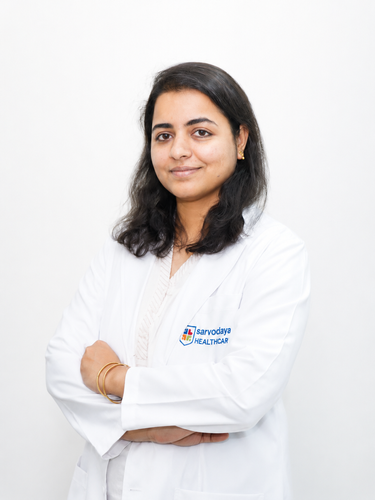
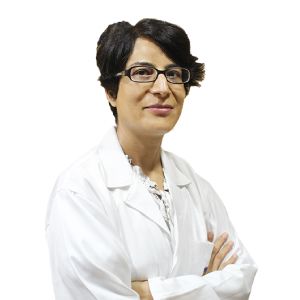
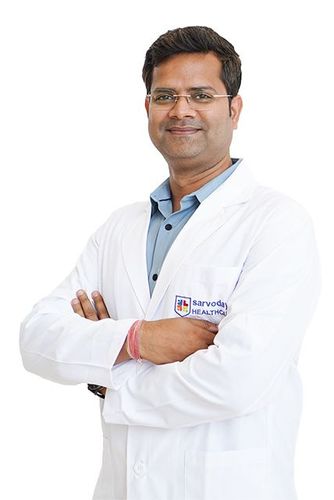
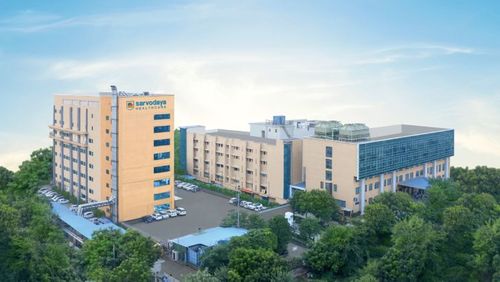
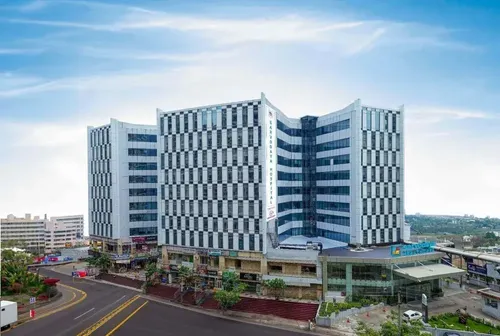
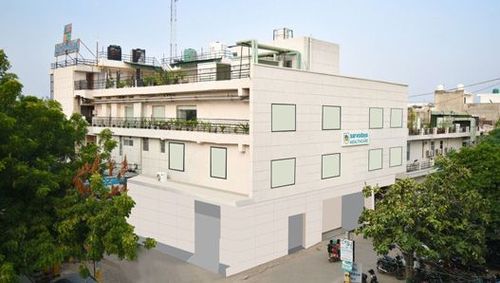
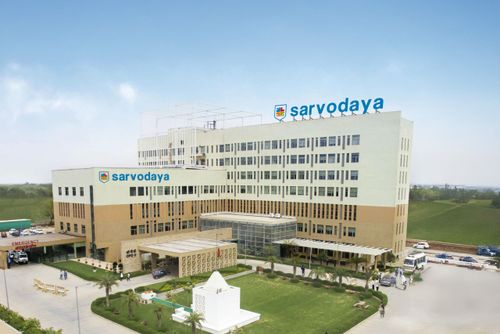
At Sarvodaya Hospital, rehabilitation planning is based on an individual assessment and may involve physiotherapists, occupational therapists, speech and language therapists, rehabilitation physicians, nurses and other healthcare professionals, depending on the patient’s needs.
The hospital houses a well-equipped Centre for Physiotherapy and Rehabilitation with dedicated rehabilitation experts highly skilled in managing stroke recovery and movement. Along with this, our Centre for Neurology has a dedicated Neuro-Modulation Centre where advanced technology - rTMS with magnetic waves is used for motor recovery of the patient.
Why Is Stroke Rehabilitation Required?
A stroke can affect movement, balance, speech, vision, swallowing, memory and emotional well-being. Some patients may experience weakness or paralysis on one side of the body, while others may have difficulties with coordination or everyday activities.
Stroke rehabilitation may be recommended to:
- Improve strength, balance and mobility.
- Support recovery of speech and communication skills.
- Improve coordination and hand function.
- Help patients perform daily activities more independently.
- Manage swallowing and nutritional difficulties.
- Reduce the risk of falls and other complications.
- Support safe participation at home, work and in the community.
- Help patients and caregivers understand long-term recovery needs.
How Is Stroke Rehabilitation Performed?
Stroke rehabilitation begins with a detailed assessment of the patient’s physical, cognitive, communication and functional abilities. The rehabilitation team reviews the patient’s medical history, stroke-related impairments and daily activity requirements.
The treatment plan may include:
- Initial assessment: Evaluation of movement, muscle strength, balance, speech, swallowing and cognitive function.
- Individualised rehabilitation plan: Setting practical and measurable goals based on the patient’s condition.
- Therapy sessions: Providing physiotherapy, occupational therapy, speech therapy or other appropriate interventions.
- Functional training: Practising activities such as walking, standing, dressing and using the hands.
- Progress monitoring: Reviewing improvements and adjusting the rehabilitation plan when required.
- Home and caregiver guidance: Teaching safe exercises, mobility techniques and methods to support daily activities.
Repetitive Transcranial Magnetic Stimulation (rTMS) for Stroke Rehabilitation
Repetitive Transcranial Magnetic Stimulation (rTMS) is a non-invasive neuromodulation therapy that uses focused magnetic pulses to stimulate specific areas of the brain. It does not require surgery or anaesthesia and may be used as part of a personalised stroke rehabilitation programme for appropriately selected patients.
At Sarvodaya Hospital, we have an advanced rTMS machine that can be incorporated into stroke rehabilitation based on the patient’s condition, rehabilitation goals and clinical assessment.
How rTMS May Support Stroke Rehabilitation?
rTMS may be considered as an additional therapy alongside conventional rehabilitation approaches such as physiotherapy, occupational therapy and speech therapy. It may support rehabilitation by targeting specific areas of brain activity involved in movement and functional recovery.
The therapy may be considered for:
- Motor Recovery: May be incorporated into rehabilitation programmes for selected patients with movement difficulties after stroke.
- Personalised Treatment: The stimulation approach can be planned according to the patient’s neurological condition and rehabilitation requirements.
- Non-Invasive Therapy: rTMS uses magnetic stimulation without requiring surgery or anaesthesia.
- Integration with Rehabilitation: It can be combined with conventional rehabilitation therapies as part of an individualised treatment plan.
- Advanced Neuromodulation: Provides an additional technology-based approach within a comprehensive stroke rehabilitation programme.
Why Include rTMS in Stroke Rehabilitation?
For selected stroke patients, rTMS can be considered alongside conventional rehabilitation to provide an additional neuromodulation approach. It does not replace physiotherapy, occupational therapy or speech therapy. Instead, it can be incorporated into a personalised rehabilitation programme according to the patient's clinical needs.
Technology and Infrastructure
Stroke rehabilitation may use assessment tools, assistive devices and rehabilitation technologies according to the patient’s requirements and the facilities available at the rehabilitation centre.
Potential technologies and equipment include:
- Gait and mobility assessment tools: Help assess walking patterns, balance and mobility limitations.
- Treadmill-based gait training: May support walking practice in selected patients under professional supervision.
- Body-weight support systems: Can assist selected patients during standing or walking exercises.
- Functional electrical stimulation (FES): May be considered for specific movement difficulties when clinically appropriate.
- Balance assessment systems: Support evaluation and training of postural control.
- Assistive mobility devices: Canes, walkers, orthoses and other devices may help improve safe movement.
- Tele-rehabilitation: May support selected home-based rehabilitation and follow-up when suitable.
Benefits of Stroke Rehabilitation
- Improved Mobility: Physiotherapy can help patients practise standing, walking and controlled movement.
- Better Daily Function: Occupational therapy supports activities such as dressing, eating and personal care.
- Improved Communication: Speech therapy can address speech, language and communication difficulties.
- Increased Independence: Rehabilitation helps patients develop skills and strategies for daily living.
- Better Balance and Safety: Appropriate training may improve balance and help reduce fall risk.
- Support for Caregivers: Caregiver education helps families provide safer and more suitable support.
- Long-Term Recovery Support: Rehabilitation can continue as the patient’s needs and abilities change.
Recovery After Stroke
Recovery after a stroke depends on several factors, including:
- Type and location of the stroke.
- Severity of brain injury.
- Age and general health.
- Time taken to receive emergency treatment.
- Presence of other medical conditions.
- Participation in rehabilitation.
- Availability of family and caregiver support.
- Management of risk factors for another stroke.
When Should You Consult a Stroke Rehabilitation Specialist?
You should consider consulting a stroke rehabilitation specialist when you or a family member experiences ongoing difficulties after a stroke, such as:
- Difficulty walking or standing.
- Weakness in the arm or leg.
- Problems with balance or coordination.
- Difficulty speaking or understanding language.
- Trouble performing daily activities.
- Swallowing difficulties.
- Muscle stiffness or pain.
- Reduced confidence with movement.
- Challenges returning to work or community activities.
Prevention and Lifestyle Modifications
- Take Medicines as Prescribed: Follow the prescribed treatment plan for blood pressure, diabetes, cholesterol or other conditions.
- Monitor Blood Pressure: Check blood pressure as advised by your healthcare professional.
- Manage Diabetes: Maintain blood glucose levels according to your doctor’s recommendations.
- Follow a Balanced Diet: Include suitable portions of vegetables, fruits, whole grains and other nutritious foods.
- Stay Physically Active Safely: Follow a suitable activity plan approved by your rehabilitation or medical team.
- Avoid Tobacco: Avoid smoking and exposure to tobacco products.
- Attend Follow-Up Appointments: Continue medical and rehabilitation assessments as recommended.
- Follow Safety Measures: Use prescribed walking aids and follow fall-prevention advice.
- Continue Home Exercises: Perform only exercises recommended by your rehabilitation professional.
Post-Treatment Lifestyle Modifications
- Follow the Home Exercise Plan: Complete recommended exercises according to the therapist’s instructions.
- Maintain Safe Mobility: Use prescribed walking aids and follow fall-prevention guidance.
- Continue Daily Practice: Practise suitable activities such as dressing, communication and hand movements.
- Monitor New Symptoms: Report new or worsening symptoms to the medical team.
- Attend Follow-Up Sessions: Continue rehabilitation reviews when advised.
- Support Emotional Well-Being: Discuss persistent sadness, anxiety, sleep problems or loss of motivation with a healthcare professional.
- Maintain Healthy Habits: Follow advice related to diet, physical activity and stroke prevention.
Why Choose Sarvodaya Hospital for Stroke Rehabilitation?
- Individualised Rehabilitation Planning: We support assessment-based planning according to each patient’s condition and functional needs.
- Multidisciplinary Care: Rehabilitation may involve physiotherapists, occupational therapists, speech and language therapists, rehabilitation physicians and other specialists when required.
- Focus on Functional Recovery: Our approach can focus on mobility, communication, daily activities and patient independence.
- Patient and Caregiver Guidance: We provide guidance based on the patient’s rehabilitation requirements and home environment.
- Continuity of Care: Follow-up planning helps support rehabilitation beyond the initial treatment period.
- Safety-Focused Support: Rehabilitation recommendations are developed according to the patient’s medical condition, abilities and safety needs.