
Overview
Skin cancer is the abnormal growth of skin cells that most commonly develops due to prolonged exposure to ultraviolet (UV) radiation from the sun or tanning devices. It can affect any part of the body but is more frequently seen in areas regularly exposed to sunlight, such as the face, neck, arms, hands, and scalp. Early diagnosis is important because most types of skin cancer can be treated successfully before they spread to deeper tissues or other parts of the body.
The three most common types are basal cell carcinoma, squamous cell carcinoma, and melanoma, with melanoma being the most aggressive. Modern skin cancer treatment may include surgery, skin lesion removal, immunotherapy, targeted therapy, radiation therapy, or chemotherapy, depending on the cancer type and stage.
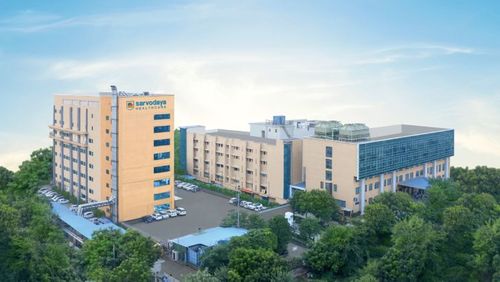
At Sarvodaya Hospital, our experienced dermatologists, surgical oncologists, plastic surgeons, and multidisciplinary dermatologic oncology specialists provide comprehensive care using advanced diagnostic techniques and personalised treatment plans.
Symptoms of Skin Cancer
- New or changing skin mole
- Non-healing sore
- Bleeding skin lesion
- Irregular mole borders
- Change in skin colour
- Itching or tenderness of a skin lesion
- Scaly or rough patch
- Pearly or shiny skin growth
- Rapidly growing skin lump
Types of Skin Cancer
Different types of skin cancer vary in appearance, growth pattern, and treatment approach.
- Basal Cell Carcinoma (BCC): The most common skin cancer, usually slow-growing and rarely spreads to distant organs.
- Squamous Cell Carcinoma (SCC): Develops from the outer skin cells and may spread if not treated early.
- Melanoma: The most aggressive form of skin cancer that develops from pigment-producing cells and requires prompt treatment.
- Rare Skin Cancers: Less common cancers include Merkel cell carcinoma and other uncommon skin tumours.
Causes of Skin Cancer
- Prolonged ultraviolet (UV) exposure
- Sunburns
- Tanning beds
- Fair skin
- Genetic predisposition
- Weakened immune system
- Previous radiation exposure
- Certain inherited conditions
- Chronic skin injuries
Risk Factors for Skin Cancer
Several factors increase the likelihood of developing skin cancer.
- Excessive Sun Exposure: Long-term ultraviolet radiation damages skin cells and significantly increases cancer risk.
- Fair Skin: People with lighter skin, freckles, or light-coloured eyes have less natural protection against UV radiation.
- Family History: A family history of melanoma or other skin cancers increases personal risk.
- Weakened Immune System: Individuals with reduced immunity are more susceptible to skin cancers.
- History of Skin Cancer: Patients previously treated for skin cancer have a higher chance of developing another lesion.
Diagnosis of Skin Cancer
Accurate diagnosis helps identify the cancer type, stage, and the most suitable treatment plan.
- Clinical Skin Examination: Doctors assess suspicious moles, skin lesions, and changes in size, colour, shape, or texture.
- Dermoscopy: A specialised dermatoscope provides magnified evaluation of skin lesions to improve diagnostic accuracy.
- Skin Biopsy: A biopsy confirms the diagnosis by examining tissue under a microscope.
- Sentinel Lymph Node Biopsy: For selected melanoma patients, lymph node assessment helps determine whether cancer has spread.
- CT Scan or MRI: Advanced imaging may be required for larger or advanced skin cancers.
- PET-CT Scan: PET-CT helps evaluate cancer spread in selected patients with advanced melanoma.
Treatment Options & Technology for Skin Cancer
- Skin cancer treatment: depends on the cancer type, size, location, and stage.
- Skin Cancer Surgery: Complete surgical removal is the primary treatment for most skin cancers and offers excellent cure rates when performed early.
- Skin Lesion Removal: Small or early lesions may be removed using specialised surgical techniques while preserving healthy tissue.
- Melanoma Treatment: Melanoma may require surgery along with immunotherapy, targeted therapy, radiation therapy, or chemotherapy, depending on the stage.
- Radiation Therapy: Radiotherapy may be recommended for selected patients when surgery is not appropriate or as additional treatment.
- Targeted Therapy and Immunotherapy: Advanced medicines help treat certain high-risk or advanced skin cancers by targeting cancer cells or strengthening the immune response.
- Advanced Oncology Technology: Dermoscopy, Digital Skin Mapping, High-Resolution Ultrasound, CT Scan, MRI, PET-CT, Image-Guided Biopsy, Mohs Micrographic Surgery (where appropriate), and Precision Radiation Therapy support accurate diagnosis and comprehensive skin tumour treatment.
Benefits of Early Skin Cancer Treatment
Early treatment provides the highest chance of successful recovery.
- High Cure Rates: Most early-stage skin cancers can be treated successfully with timely intervention.
- Prevents Cancer Spread: Prompt treatment reduces the risk of cancer reaching lymph nodes or distant organs.
- Preserves Healthy Skin: Early removal often requires smaller procedures with better cosmetic outcomes.
- Reduces Treatment Complexity: Early-stage cancers usually require less extensive treatment.
- Improves Long-Term Survival: Timely diagnosis significantly improves outcomes, especially for melanoma.
Complications if Left Untreated
Untreated skin cancer may lead to serious complications.
- Local tissue destruction
- Cancer spread to lymph nodes
- Metastasis to distant organs
- Chronic pain
- Infection
- Cosmetic deformity
- Reduced survival in advanced melanoma
When Should You See a Doctor?
Consult a dermatologist or oncologist if you notice:
- A new or changing mole
- A non-healing skin sore
- Bleeding or crusting skin lesions
- Rapidly growing skin growth
- Persistent itching or pain in a skin lesion
- Changes in colour, shape, or size of a mole
- Any suspicious skin change lasting more than a few weeks
Prevention & Lifestyle Modifications
Protecting your skin can significantly reduce the risk of skin cancer.
- Avoid Excessive Sun Exposure: Limit direct sun exposure, especially during peak UV hours.
- Use Sunscreen Daily: Apply a broad-spectrum sunscreen with adequate SPF before going outdoors.
- Wear Protective Clothing: Use hats, sunglasses, and long-sleeved clothing when exposed to sunlight.
- Avoid Tanning Beds: Artificial UV radiation also increases the risk of skin cancer.
- Perform Regular Skin Self-Examinations: Check your skin regularly for new or changing moles and seek medical advice if abnormalities are found.
Pre–Post Treatment Care
Pre-Treatment
- Dermatology and oncology consultation
- Dermoscopic skin examination
- Skin biopsy
- CT, MRI, or PET-CT if indicated
- Multidisciplinary treatment planning
Post-Treatment
- Regular skin examinations
- Wound care following surgery
- Sun protection measures
- Follow-up imaging if required
- Long-term surveillance for recurrence