Overview
Radioiodine therapy is a targeted treatment used for certain types of thyroid cancer, particularly differentiated thyroid cancers such as papillary and follicular thyroid cancer. It uses a radioactive form of iodine, known as iodine-131 (I-131), which is taken up by thyroid cells. This allows the treatment to target thyroid tissue and certain cancer cells that retain the ability to absorb iodine.
Doctors may recommend this treatment after thyroid surgery to destroy remaining thyroid tissue or treat cancer cells that may have spread to other parts of the body. Its suitability depends on the type of thyroid cancer, its stage, pathology findings and the patient's overall condition.
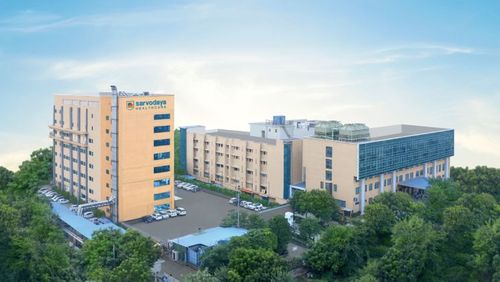
At Sarvodaya Hospital, the Nuclear Medicine and Molecular Theranostics Department supports the assessment and treatment planning of patients who may require radioiodine therapy. Our team evaluates each case and guides preparation, treatment and safety precautions.
When Is Radioiodine Therapy Recommended?
Radioiodine therapy is not required for every patient with thyroid cancer. Your doctor may recommend it based on the type of cancer, risk of recurrence and findings from surgery and other investigations.
It may be advised after a total or near-total thyroidectomy to destroy any remaining thyroid tissue. The treatment can also target residual differentiated thyroid cancer cells that retain the ability to absorb iodine.
Doctors may consider it for selected patients with higher-risk thyroid cancer, cancer that has spread to nearby lymph nodes or distant organs, or certain cases where the disease returns after initial treatment.
However, radioiodine therapy is generally not effective for medullary or anaplastic thyroid cancer because these cancer cells do not usually absorb iodine in the same way as differentiated thyroid cells.
How is Radioiodine Therapy Used?
Radioiodine therapy uses iodine-131, which is usually administered orally as a capsule or liquid. Before treatment, the doctor reviews your diagnosis, surgical history, pathology reports, thyroid function and relevant imaging results.
Blood tests may also be required. You may be advised to follow a low-iodine diet for a specified period, and your doctor will explain how thyroid-stimulating hormone (TSH) levels should be raised before treatment. Once prepared, you will receive the prescribed radioactive iodine.
Thyroid cells and cancer cells that retain iodine-absorbing ability take up the radioactive iodine, allowing the radiation released by I-131 to destroy the targeted cells. After administration, the medical team provides radiation safety instructions and advises when follow-up imaging and blood tests are required.
Depending on the prescribed activity and radiation safety requirements, treatment may involve specific isolation arrangements or hospital admission.
Radioiodine Therapy After Thyroid Surgery
Radioiodine therapy may be recommended after thyroid surgery to address remaining thyroid tissue or selected cancer cells. The decision depends on the patient's risk category and the findings from surgical and pathological assessments.
After a total thyroidectomy, some thyroid tissue may remain in the neck. Radioiodine can help destroy this tissue and may also target differentiated thyroid cancer cells that have spread beyond the thyroid gland.
However, not every patient requires this treatment. Patients with lower-risk thyroid cancer may be managed with surgery and regular follow-up alone. Your treating specialist will assess the potential benefits and risks before recommending I-131 therapy.
Radioiodine Therapy Technology and Infrastructure
Radioiodine therapy is a nuclear medicine treatment that requires appropriate facilities, radiation safety measures and clinical monitoring. The Nuclear Medicine and Molecular Theranostics Department coordinates the treatment process according to the patient's clinical needs.
Iodine-131 therapy uses a prescribed amount of radioactive iodine to target thyroid cells that retain the ability to absorb iodine. Before treatment, the team reviews pathology findings, blood tests and relevant imaging to determine whether the therapy is suitable.
Radiation safety arrangements help minimise exposure to other people after treatment, with patients receiving specific instructions to follow at home or during hospitalisation. A post-therapy whole-body scan may be recommended to assess the distribution of radioactive iodine, while blood tests and other follow-up investigations help monitor treatment response and identify possible signs of recurrence.
The treatment plan, prescribed activity and monitoring requirements are individualised for each patient.
Benefits of Radioiodine Therapy
- Targeted treatment: Radioactive iodine is absorbed by thyroid cells and differentiated thyroid cancer cells that retain iodine uptake.
- Treatment of remaining thyroid tissue: It can help destroy residual thyroid tissue after surgery.
- Management of selected cancer spread: It may treat iodine-avid cancer cells in lymph nodes or distant organs.
- Follow-up support: Destroying remaining thyroid tissue can help make certain blood tests and imaging assessments more useful during long-term monitoring.
- Non-surgical approach: The radioactive iodine is usually administered orally, without requiring another surgical procedure.
- Individualised treatment planning: The prescribed activity and follow-up schedule can be adjusted according to the patient's diagnosis and response.
Radioiodine Therapy Recovery
Recovery after radioiodine therapy varies depending on the prescribed activity, the patient's health and the treatment setting. Many patients can continue their usual routine after completing the required radiation safety precautions. However, some may experience temporary side effects such as nausea, neck discomfort, dry mouth or changes in taste.
Your medical team will explain how long you need to follow radiation safety instructions. These may include maintaining distance from other people, sleeping separately, limiting close contact with children and pregnant women, and following specific hygiene precautions. The duration depends on the administered activity and individual circumstances.
Follow-up appointments are important for assessing treatment response. Your doctor may recommend thyroid function tests, thyroglobulin measurements, antibody tests, ultrasound or whole-body imaging, depending on your condition.
Post-Treatment Lifestyle Modifications
- Follow radiation safety instructions: Maintain the recommended distance from other people and follow the precautions explained by your medical team.
- Stay hydrated: Drink fluids as advised to support the elimination of radioactive iodine from the body.
- Maintain personal hygiene: Follow instructions about toilet use, handwashing, laundry and cleaning during the restricted period.
- Limit close contact: Avoid close and prolonged contact with children and pregnant women for the period specified by your treatment team.
- Follow dietary advice: Resume your usual diet when your doctor advises you to do so after the prescribed low-iodine diet period.
- Take prescribed medicines: Continue thyroid hormone replacement and other medicines according to your doctor's instructions.
- Attend follow-up appointments: Complete recommended blood tests, scans and clinical reviews to monitor your response to treatment.
Why Choose Sarvodaya Hospital for Radioiodine Therapy?
- Dedicated department: The Nuclear Medicine and Molecular Theranostics Department provides a specialised setting for nuclear medicine services.
- Clinical evaluation: The treating team reviews the patient's diagnosis, surgical history and investigation reports before treatment planning.
- Individualised treatment planning: The decision to administer radioiodine and the prescribed activity are based on the patient's clinical requirements.
- Radiation safety guidance: Patients receive instructions on precautions to follow after treatment.
- Follow-up coordination: The care team helps plan the investigations and reviews required to monitor treatment response.