
Overview
Pulmonary Hypertension is a condition in which the blood pressure in the arteries that carry blood from the heart to the lungs becomes abnormally high. Increased pressure in these blood vessels can make it harder for the heart to pump blood through the lungs. Over time, the right side of the heart may become strained, particularly when pulmonary hypertension is severe or remains untreated.
The condition can develop due to different causes, including heart disease, lung disease, blood clots, or changes in the pulmonary arteries. Pulmonary Arterial Hypertension (PAH) is one specific type of pulmonary hypertension caused by disease affecting the pulmonary arteries.
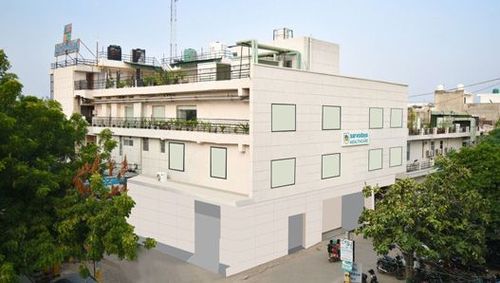
At Sarvodaya Hospital, our pulmonology and respiratory care team provides comprehensive Pulmonary Hypertension Treatment based on the underlying cause, severity, heart and lung function, and individual patient needs. Assessment may involve pulmonology, cardiology, imaging, laboratory testing, and specialised pulmonary vascular evaluation.
Symptoms of Pulmonary Hypertension
- Shortness of breath, particularly during activity
- Fatigue
- Reduced exercise tolerance
- Chest discomfort
- Dizziness
- Fainting or near-fainting
- Palpitations
- Swelling of the legs, ankles, or feet
- Abdominal swelling in advanced disease
- Bluish lips or fingers in some cases
Causes of Pulmonary Hypertension
- Pulmonary Arterial Hypertension
- Heart Disease
- Lung Diseases
- Chronic Blood Clots
- Other Medical Conditions
- Medicines and Toxins
Diagnosis of Pulmonary Hypertension
Accurate diagnosis requires more than simply measuring blood pressure. Doctors need to determine whether pulmonary hypertension is present, assess its severity, and identify the underlying cause.
- Medical History and Clinical Examination: The doctor reviews breathlessness, exercise tolerance, chest symptoms, fainting episodes, previous heart or lung conditions, medications, and relevant family history.
- Echocardiography: An echocardiogram uses ultrasound to assess heart structure and function and can help estimate the likelihood of pulmonary hypertension.
- Electrocardiogram : An ECG records the heart's electrical activity and may identify changes associated with strain on the right side of the heart.
- Chest X-Ray : A chest X-ray can provide information about the heart, lungs, and major blood vessels and may help identify other causes of breathlessness.
- Pulmonary Function Tests : Lung function testing helps determine whether an underlying respiratory condition may be contributing to pulmonary hypertension.
Treatment Options for Pulmonary Hypertension
The goals of Pulmonary Hypertension Treatment are to treat the underlying cause, reduce symptoms, improve exercise capacity, protect heart and lung function, and reduce the risk of complications.
- Treatment of the Underlying Cause: Managing the condition responsible for pulmonary hypertension is an important part of treatment. This may involve treating heart disease, lung disease, chronic blood clots, or another associated condition.
- Medicines for Pulmonary Arterial Hypertension: Patients with PAH may require specialised medicines that act on the pulmonary blood vessels. Depending on the type and severity of PAH, doctors may use one or more targeted therapies.
- Oxygen Therapy: Supplemental oxygen may be recommended for selected patients who have low oxygen levels.
- Diuretics: Diuretics may help reduce fluid retention and swelling in patients with signs of fluid overload.
Benefits of Early Pulmonary Hypertension Treatment
Early diagnosis and appropriate treatment can help manage symptoms and protect heart and lung function.
- Identifies the Underlying Cause : A detailed evaluation helps doctors determine whether pulmonary hypertension is related to heart disease, lung disease, blood clots, PAH, or another condition.
- Controls Symptoms : Treatment can help reduce breathlessness, fatigue, swelling, and exercise intolerance.
- Protects Heart Function : Managing pulmonary pressure can reduce excessive strain on the right side of the heart.
- Improves Exercise Capacity : Appropriate treatment and rehabilitation can help selected patients maintain better physical function.
Complications if Left Untreated
- Progressive breathlessness
- Reduced exercise capacity
- Right-sided heart strain
- Right-sided heart failure
- Fluid retention
- Irregular heart rhythms
- Fainting episodes
- Reduced quality of life
- Increased risk of hospitalisation
When Should You Seek Immediate Medical Attention?
- Severe or rapidly worsening breathlessness
- Fainting or repeated near-fainting
- Severe chest pain
- Bluish lips or fingers
- Sudden severe weakness
- New or rapidly worsening swelling
- Severe palpitations with dizziness
- Significant breathing difficulty at rest
Prevention & Lifestyle Modifications
Lifestyle measures can support overall health, although they do not replace medical treatment.
- Stay Physically Active : Appropriate, supervised activity may help maintain strength and exercise capacity. Patients with significant pulmonary hypertension should discuss suitable exercise levels with their medical team.
- Avoid Smoking : Smoking can worsen cardiovascular and respiratory health and should be avoided.
- Follow a Balanced Diet : A balanced diet supports heart and lung health. Patients with fluid retention may receive specific dietary advice regarding salt and fluid intake.
- Maintain a Healthy Weight : Maintaining a healthy weight can reduce additional strain on the heart and lungs.
- Prevent Respiratory Infections : Appropriate vaccinations and good respiratory hygiene may help reduce the risk of infections that can worsen breathing symptoms.
Pre- and Post-Treatment Care
Pre-Treatment
Assessment may include:
- Pulmonology consultation
- Cardiology evaluation when required
- Clinical examination
- Echocardiography
- ECG
- Pulmonary function tests
- Six-minute walk test
- CT chest
- CT pulmonary angiography when indicated
- Blood investigations
- Right heart catheterisation when required
- Evaluation of the underlying cause
Post-Treatment
Long-term care may include:
- Taking prescribed medicines regularly
- Monitoring symptoms
- Following oxygen therapy recommendations when prescribed
- Appropriate physical activity
- Dietary and fluid management when advised
- Regular assessment of heart and lung function
- Scheduled pulmonary hypertension follow-ups
- Monitoring for worsening breathlessness or swelling
- Prompt reporting of new or severe symptoms