
Overview
The bladder is a muscular organ that stores urine. As it fills, nerves carry messages between the bladder and brain. These messages normally help a person recognise when the bladder is full and delay urination until they reach the toilet.
In overactive bladder (OAB), the urge to urinate may appear suddenly and become difficult to control. The bladder muscle may contract before the bladder is full, or the signals controlling urination may become overactive. This can cause frequent toilet visits, disturbed sleep and, in some people, urine leakage.
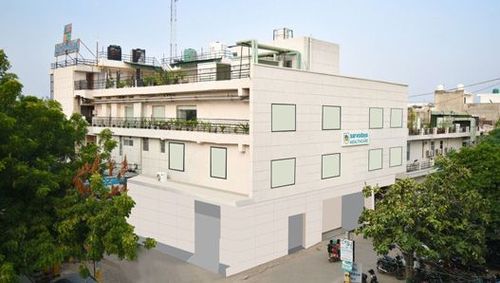
At Sarvodaya Hospital, urologists assess the symptoms, rule out other urinary conditions, and plan personalised overactive bladder treatment.
Overactive Bladder Symptoms
- A sudden and difficult-to-control urge to urinate
- Passing urine more often than usual during the day
- Waking repeatedly at night to urinate
- Leaking urine before reaching a toilet
- Rushing to the toilet when urgency begins
- Avoiding travel or activities because a toilet may not be nearby
Overactive Bladder Causes
Possible overactive bladder causes include:
- Changes in Bladder Control: The bladder muscle may contract too early during filling, creating sudden urgency.
- Nerve Signal Problems: Stroke, Parkinson’s disease, multiple sclerosis, diabetes, or spinal injury can disrupt messages between the bladder and brain.
- Poor Bladder Emptying: Prostate enlargement, pelvic organ prolapse or another blockage can leave urine behind and cause urgency and frequency.
- Bladder Irritation: A urinary infection, bladder stone or growth may produce symptoms similar to OAB.
- Increased Urine Production: Diabetes, certain medicines, excessive fluids or large amounts of caffeine can increase urination.
- No Identifiable Cause: In many people, bladder urgency develops without a clear disease or injury. This is called idiopathic OAB.
- Pelvic Floor Problems: Pelvic floor muscles that remain tight or do not work in coordination with the bladder may contribute to urgency and incomplete emptying.
- Previous Pelvic Treatment: Pelvic surgery or radiation therapy may affect the bladder, nearby nerves or the urinary tract.
Risk Factors for Overactive Bladder
Certain conditions and life changes may increase the likelihood of developing OAB:
- Increasing age, although OAB is not an unavoidable part of ageing
- Diabetes
- Neurological conditions affecting bladder control
- Obesity
- Pregnancy and childbirth
- Menopause-related changes
- Prostate enlargement
- Long-term constipation
- Previous pelvic surgery
- Reduced mobility
Overactive Bladder Diagnosis
An overactive bladder diagnosis begins with a discussion about urgency, toilet frequency, leakage and night-time urination. The urologist also asks about fluid intake, medicines and difficulty emptying the bladder. This helps separate OAB from infection, diabetes, prostate problems and other possible causes.
The following checks may be advised:
- Physical Examination: The abdomen, nerves, pelvic organs or prostate may be examined for problems affecting urination.
- Bladder Diary: The patient records drinks, toilet visits, urgency and leakage for several days. This shows when symptoms occur and how severe they are.
- Urine Test: Urinalysis checks for infection, blood, glucose and other abnormalities. A urine culture may be performed if infection is suspected.
- Post-Void Residual Test: Ultrasound measures how much urine remains after urination. A large amount may indicate poor bladder emptying.
- Urodynamic Testing: This group of tests measures bladder pressure, urine flow and bladder function. It may be advised when the diagnosis remains unclear or initial treatment does not help.
- Cystoscopy or Imaging: These tests may be used when there is blood in the urine, repeated infection, pain or another concerning finding. They are not routinely needed for uncomplicated OAB.
Overactive Bladder Treatment Options and Bladder Support
The treatment plan depends on the symptoms, their effect on daily life and whether another condition is contributing:
- Bladder Training: The patient follows planned toilet times instead of urinating whenever the first urge appears. The interval is gradually increased to improve bladder control.
- Fluid Management: Changing when and how much a person drinks may reduce urgency. Fluids should not be restricted so much that they cause dehydration.
- Dietary Changes: Reducing caffeine, alcohol and fizzy drinks may help if they trigger symptoms.
- Pelvic Floor Therapy: Pelvic floor exercises can help control urgency and reduce leakage. A trained physiotherapist can teach the correct muscles and technique.
- Constipation and Weight Management: Treating constipation and maintaining a healthy weight may reduce pressure on the bladder.
- Overactive Bladder Medication: Antimuscarinic medicines reduce unwanted bladder contractions. Beta-3 agonists help the bladder relax while it fills. The choice depends on other health conditions, bladder emptying and possible side effects.
- Botulinum Toxin Injection: Botulinum toxin is injected into the bladder wall through a thin instrument. It relaxes the bladder muscle when medicines and behavioural measures have not provided enough relief. Some patients may develop infection or difficulty emptying the bladder afterwards.
- Surgery: Bladder enlargement or urinary diversion is rarely required. It is reserved for severe symptoms that continue despite other overactive bladder treatment options.
Benefits of Early Overactive Bladder Treatment
Early urinary urgency treatment can identify treatable problems and prevent symptoms from taking over daily life.
Possible benefits include:
- Fewer urgent and frequent toilet visits
- Better control over urine leakage
- Improved sleep and daytime concentration
- Less skin irritation caused by leakage
- Greater confidence during work, travel and social activities
- Reduced risk of falling while rushing to the toilet
Complications if Left Untreated
OAB is not usually life-threatening.
However, persistent symptoms can gradually affect physical and emotional wellbeing:
- Sleep Problems: Repeated nighttime urination can cause tiredness and poor concentration.
- Falls and Injuries: Rushing to the toilet, especially at night, may increase the risk of falling.
- Skin Irritation: Frequent contact with urine can make the skin sore.
- Reduced Fluid Intake: Some people drink too little to avoid urinating, which can cause dehydration and constipation.
- Emotional Distress: Fear of urgency or leakage may lead to embarrassment, anxiety or social withdrawal.
Symptoms can also return or continue despite treatment. Regular follow-up allows the overactive bladder management plan to be adjusted.
When Should You See a Doctor?
Search for an overactive bladder doctor near me if urgency, frequent urination, night-time toilet visits or leakage persists or affects normal activities. Assessment is also important when symptoms begin suddenly or occur with a weak urine stream or incomplete bladder emptying.
Seek urgent medical help for:
- Inability to pass urine with lower abdominal pain or swelling
- Fever, chills or back pain with urinary symptoms
- Visible blood or blood clots in the urine
- New leg weakness or numbness around the groin
- Sudden loss of bowel or bladder control
Prevention & Lifestyle Modifications
OAB cannot always be prevented, particularly when it is related to ageing or a neurological condition.
However, healthy bladder habits may reduce symptoms:
- Drink enough fluid throughout the day without consuming large amounts at once.
- Limit drinks near bedtime if nighttime urination is a problem.
- Reduce caffeine, alcohol and fizzy drinks if they trigger urgency.
- Avoid frequent “just in case” toilet visits unless advised.
- Keep a bladder diary to identify patterns and triggers.
- Treat constipation with fibre, fluids and regular activity.
- Maintain a healthy weight.
- Manage diabetes and other existing conditions.
- Practise bladder training and pelvic floor exercises as advised.
Pre-Post Treatment Care
Pre-Treatment
- Record toilet visits, fluid intake, urgency and leakage as advised.
- Share details of all medicines, allergies and health conditions.
- Mention constipation, glaucoma, blood pressure problems or difficulty passing urine.
- Complete urine tests or bladder-emptying checks when recommended.
- Discuss the expected benefits and possible side effects of each option.
Post-Treatment
- Take prescribed medicines as directed.
- Continue bladder training and lifestyle changes.
- Attend follow-up appointments to review improvement and side effects.
- Report burning urination, fever or increasing difficulty passing urine.
- Follow specific activity and care instructions after an injection or implanted-device surgery.
- Ask for reassessment if symptoms continue, worsen or return.