
Overview
Lower back pain is one of the most common spinal issues, ranging from temporary muscle discomfort to chronic, debilitating pain. While mild cases may improve with rest, persistent pain often points to structural problems in the lumbar spine, such as herniated discs, spinal stenosis, degenerative disc disease, or sciatica.
These conditions can cause severe nerve compression, resulting in stiffness, localised aches, and pain radiating down the legs.
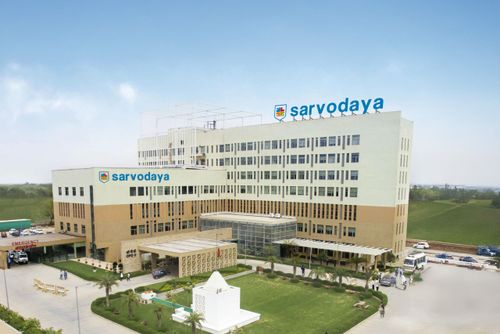
Seeking timely evaluation at Sarvodaya Hospital, recognised as one of best orthopaedic hospital in North India, helps establish an accurate diagnosis and a comprehensive care plan tailored to your condition.
Lower Back Pain Symptoms
- Dull, aching pain in the lower back
- Sharp or shooting pain radiating to the hips, buttocks, or legs
- Stiffness and reduced flexibility in the lower back
- Muscle spasms
- Difficulty standing upright or maintaining posture
- Numbness or tingling in the legs and feet
- Weakness in the legs
- Pain that worsens with prolonged sitting or standing
- Pain that improves temporarily on lying down
Lower Back Pain Causes
- Muscle or ligament strain
- Slipped disc (herniated or prolapsed disc)
- Degenerative disc disease
- Spinal stenosis
- Sciatica
- Poor posture and improper lifting techniques
- Spondylolisthesis
- Osteoarthritis of the spine
- Osteoporosis-related fractures
- Prolonged sedentary lifestyle
Risk Factors for Lower Back Pain
Certain lifestyle factors and health conditions increase the probability of developing chronic spine issues:
- Age: Spinal structures naturally experience wear and tear over time, making older adults more susceptible.
- Sedentary Lifestyle: Weak core and back muscles fail to adequately support the spine.
- Occupational Hazards: Jobs requiring heavy lifting, repetitive bending, or continuous vibration.
- Obesity: Excess body weight places additional stress on the lower back discs and joints.
- Smoking: Tobacco use reduces blood flow to the spinal discs, accelerating degeneration.
- Poor Ergonomics: Improper seating postures during long work hours.
Diagnosis of Lower Back Pain
An accurate back pain diagnosis helps identify the underlying cause and guide the most effective treatment plan.
- Clinical Examination: Assesses posture, range of motion, muscle strength, and reflexes.
- X-ray: Detects alignment issues, fractures, or degenerative changes.
- MRI Scan: Provides detailed imaging of discs and nerves to identify a slipped disc or nerve compression.
- CT Scan: Offers cross-sectional imaging for complex spinal conditions.
- Nerve Conduction Studies (EMG): Evaluates nerve function in cases of numbness or weakness.
- Blood Tests: Rule out infections or inflammatory causes.
Treatment Options & Technology for Lower Back Pain
Spine pain treatment is tailored to the severity and cause of the condition, ranging from conservative care to advanced surgical solutions for chronic lower back pain treatment.
- Microdiscectomy and Slip Disc Treatment: Removal of herniated disc material to relieve nerve pressure.
- Minimally Invasive Laminectomy / Decompression: Widening the spinal canal to alleviate symptoms of spinal stenosis.
- Percutaneous Spinal Fusion: Stabilising unstable vertebrae using small incisions and specialised instrumentation.
- Advanced Diagnostic Imaging: High-resolution MRI, digital X-rays, and CT scans to accurately evaluate discs, nerves, and bone structures before treatment.
Benefits of Minimally Invasive Spine Surgery
Most cases of lower back pain do not require surgery and respond well to non-surgical treatments. But when conservative methods are no longer effective, surgery may be required.
When surgical intervention is needed, choosing Minimally Invasive Spine Surgery (MISS) over traditional open surgery offers significant patient advantages:
- Smaller Incisions: Reduced scarring and preserved aesthetic appearance.
- Minimal Muscle Trauma: Preserves surrounding healthy tissues to minimise post-operative pain.
- Lower Blood Loss: Precision technology helps minimise intraoperative blood loss.
- Faster Recovery: Shorter hospital stays allow patients to return to daily activities and work quickly.
- Reduced Risk of Infection: Smaller surgical sites lower the likelihood of post-surgical complications.
- High Success Rates: May provide significant pain relief and functional improvement in appropriately selected patients.
Complications if Left Untreated
Delaying necessary medical attention from the top spine surgery hospital for back pain treatment can result in progressive complications:
- Permanent nerve damage leading to loss of sensation.
- Chronic, debilitating pain that restricts mobility.
- Progressive weakness in the legs or feet (foot drop).
- Loss of bowel or bladder control (a medical emergency known as Cauda Equina Syndrome).
- Reduced independence and lower overall quality of life.
When Should You See a Back Pain Specialist?
Consult a renowned spine doctor in Greater Noida West if you experience:
- Persistent back pain lasting more than two weeks
- Pain radiating down the leg.
- Numbness, tingling, or weakness in the legs
- Back pain following an injury or fall
- Difficulty standing, walking, or maintaining posture
- Loss of bladder or bowel control (seek immediate care)
Prevention & Lifestyle Modifications
Healthy habits go a long way in preventing recurring lower back pain.
- Maintain Correct Posture: Sit and stand with proper spinal alignment, especially during long work hours.
- Strengthen Core Muscles: Regular exercise supports the spine and reduces strain.
- Manage Body Weight: A healthy weight reduces pressure on the lower back.
- Practice Safe Lifting: Bend at the knees, not the waist, when lifting heavy objects.
- Use Ergonomic Support: Supportive chairs and correct desk height help prevent strain.
- Stay Active: Avoid prolonged sitting or standing without movement breaks.
Pre-Post Treatment Care
A successful outcome for the back pain relief treatment relies on structured guidance throughout the care journey:
Pre-Treatment
- Comprehensive evaluation by an expert spine doctor in Faridabad.
- Advanced diagnostic imaging and blood investigations.
- Pre-surgical medical clearance and anaesthesia assessment.
- Guidance on lifestyle adjustments, smoking cessation, and medication management.
Post-Treatment
- Structured post-operative monitoring and pain management protocols.
- Early mobilisation under expert guidance.
- Customised back pain physiotherapy programs to rebuild strength and flexibility.
- Ergonomic advice and regular follow-up consultations to track recovery.
Reviewed & Updated On
Reviewed by Dr. Ashish Tomar Director - Orthopaedics & Minimally Invasive Spine Surgery on 18-July-2026