
Overview
A hernia occurs when tissue pushes through a weak area in the abdominal wall. It may appear as a bulge in the groin or abdomen, especially when you stand, cough or lift something. Some hernias cause little discomfort. Others become painful or grow over time.
Laparoscopic hernia repair is a minimally invasive surgery. The surgeon inserts a camera and specialised instruments through small cuts to repair the weak area.
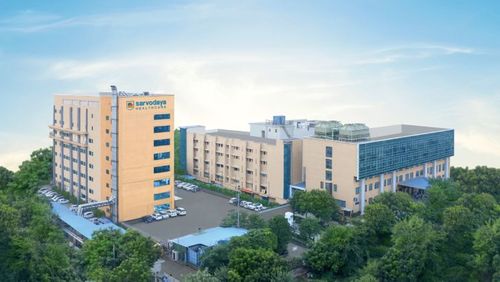
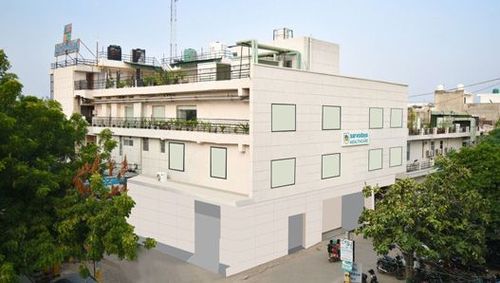
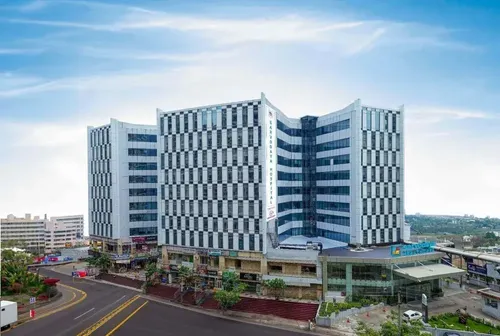
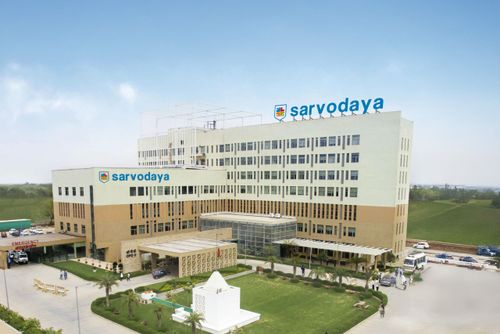
At Sarvodaya Hospital, the best hernia treatment hospital, a surgeon assesses the hernia and your health before recommending the most suitable treatment.
Why Is Hernia Repair Required?
A hernia does not usually close on its own. Surgery repairs the weak area, but you may not need an operation immediately if you have no symptoms. Your surgeon considers its location, size and effect on daily life while assessing the hernia.
Your doctor may recommend hernia repair surgery when you have:
- Pain or Discomfort: The bulge hurts during activity or makes routine tasks difficult.
- A Growing Hernia: The bulge becomes larger or harder to manage.
- A Recurring Hernia: A surgeon needs to evaluate a previous repair.
Hernia can sometimes trap tissue or part of the bowel. Seek urgent medical care if the bulge suddenly becomes very painful, cannot be pushed back, or occurs with vomiting or abdominal swelling. These signs may mean you need emergency medical treatment for trapped tissue.
Can a Hernia Be Treated Without Surgery?
A surgeon may advise monitoring a hernia that causes few or no symptoms. This means watching for changes and attending follow-up appointments. The advice depends on the type of hernia and your individual risk.
A support belt may ease discomfort for some people, but it does not repair the weak area. If symptoms increase, your surgeon can explain whether an operation is needed and which approach is suitable.
Laparoscopic Hernia Surgery Procedure
Before surgery, the surgeon examines the bulge and reviews your medical history. An ultrasound or scan may help if the diagnosis is unclear or the hernia is complex. The surgeon explains when to stop eating and drinking. Tell them about all medicines you take, including blood thinners, and follow their instructions before making any changes.
The laparoscopic hernia surgery procedure usually takes place under general anaesthesia, so you are asleep. The surgeon makes several small cuts and passes a camera and instruments through them. The camera shows the area on a screen. The surgeon moves the bulging tissue back into place and repairs the weak area, usually using a surgical mesh for support. The cuts are then closed.
The exact method depends on the hernia:
- Laparoscopic Inguinal Hernia Repair: Treats a hernia in the groin. The surgeon places mesh over the weak area from inside the abdominal wall.
- Laparoscopic Ventral Hernia Repair: Treats a hernia in the front of the abdomen. The repair and mesh placement depend on its size and location.
Your surgeon explains the planned method and whether mesh is appropriate for you.
Who Is a Suitable Candidate for Laparoscopic Hernia Repair?
Many adults with a groin or abdominal wall hernia can be considered for minimally invasive hernia surgery. The decision depends on the hernia’s size and position, previous operations, and your fitness for general anaesthesia.
Some large or complex hernias need a different approach. An open repair may also be safer in certain urgent situations. A laparoscopic hernia surgeon discusses these factors with you before recommending surgery.
Benefits of Laparoscopic Hernia Repair
For suitable patients, laparoscopic surgery can offer several benefits compared with an open repair:
- Smaller Cuts: The surgeon reaches the hernia through small openings in the abdomen.
- Less Pain During Early Recovery: Some patients experience less discomfort after surgery.
- Shorter Hospital Stay: Many patients can go home on the day of surgery, depending on their recovery.
- Earlier Return to Light Activities: You may be able to move around and resume gentle tasks sooner.
These benefits vary with the type of hernia and the repair required. Both laparoscopic and open surgery can treat a hernia effectively; your surgeon helps you choose the approach that fits your case.
Technology and Infrastructure
Sarvodaya Hospital uses laparoscopic cameras, imaging screens and narrow surgical instruments for minimally invasive surgery. These let the surgeon view and repair the hernia through small cuts. Preoperative scans can help plan a complex repair, while anaesthesia systems and patient monitoring support care during the operation.
Sarvodaya Hospital also offers robotic hernia repair. In this approach, the surgeon controls the instruments using a robotic system with a magnified 3D view. It may be an option for selected patients. The surgeon decides whether laparoscopic, robotic or open repair is most suitable after assessing the hernia.
Post-Surgery Lifestyle Modifications
Your doctor gives you instructions for wound care, medicines, activity and follow-up. Hernia surgery recovery varies, but gentle movement usually begins soon after the operation.
- Walk Regularly: Start with short walks and increase activity as you feel able.
- Care for Your Wounds: Keep the cuts clean and follow the instructions about dressings and bathing.
- Avoid Heavy Strain: Ask your surgeon when you can lift heavy objects, exercise or return to physical work.
- Prevent Constipation: Drink enough water and eat fibre-rich foods to reduce straining during bowel movements.
- Attend Follow-Up Visits: The surgeon checks your healing and advises when to resume normal activities.
Some people return to desk work within one to two weeks. Full recovery may take four to six weeks or longer, particularly after a complex repair or if your work involves lifting. Contact the doctor if pain or swelling worsens, you develop a fever, the wounds discharge fluid, or you have difficulty passing urine.
Risks and Complications
Every operation has risks. Possible complications include bleeding, infection, a collection of fluid near the repair, pain that lasts longer than expected, or the hernia returning. Less common risks include injury to nearby organs or blood vessels and blood clots.
Your surgeon explains the risks that apply to your hernia and health. During a laparoscopic operation, the surgeon may need to switch to an open repair if it is safer.
Why Choose Sarvodaya Hospital for Laparoscopic Hernia Repair?
Sarvodaya Hospital provides assessment and surgical care for different types of hernia. Patients can access:
- Surgical Evaluation: A general surgeon reviews symptoms, examines the bulge and recommends treatment.
- Different Repair Options: The surgeon can assess whether laparoscopic, robotic or open surgery is appropriate.
- Surgical Facilities: Laparoscopic equipment, operation theatres and anaesthesia support are available for planned surgery.
- Recovery Guidance: Patients receive advice on wound care, activity and follow-up.
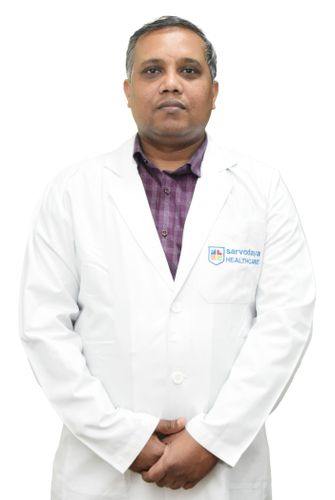
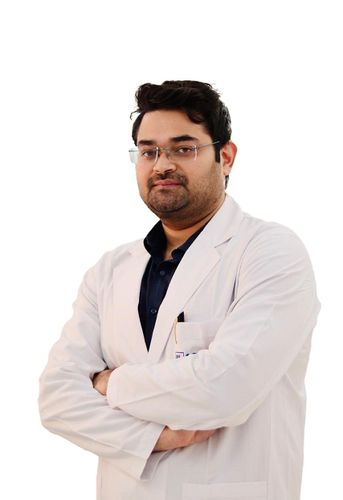
If you are considering hernia treatment in Faridabad, book a consultation with a trusted general surgeon for hernia treatment.