
Overview
In laparoscopic cholecystectomy, surgeons use a camera and narrow instruments to remove the gallbladder through small cuts in the abdomen. It is a minimally invasive surgery.
The gallbladder stores bile, a fluid that helps digest fat. Gallstones can cause repeated pain, inflammation or other complications. When this happens, a surgeon may recommend removing the gallbladder.
At Sarvodaya Hospital, the best gallbladder surgery hospital, surgeons review the patient’s symptoms, scans and overall health to decide whether surgery is needed and if laparoscopic gallbladder surgery is suitable.
Why Is Laparoscopic Cholecystectomy Required?
Gallstones can block the flow of bile and cause pain in the upper abdomen.
A surgeon may recommend removing the gallbladder when stones cause the following issues:
Repeated Attacks: Pain may return even after an earlier attack has settled.
Gallbladder Inflammation: A blockage can leave the gallbladder swollen and painful.
Other Complications: A stone may move into a bile duct or contribute to inflammation of the pancreas.
Your doctor will review your symptoms and examine you before recommending treatment. An ultrasound can show gallstones, while blood tests may reveal signs of inflammation or a blocked bile duct.
Can Gallstones Be Treated Without Surgery?
Gallstones found during a scan do not always need treatment. If they cause no symptoms, your doctor may advise monitoring rather than surgery.
If gallstones cause repeated pain, removing the gallbladder is the usual treatment. Changes to your diet may help you avoid foods that trigger discomfort, but they do not usually make the stones go away. Medicines that dissolve certain stones are used only in selected cases, such as when surgery is unsuitable. Your doctor can explain which option fits your situation.
Laparoscopic Cholecystectomy Procedure
The surgical team explains how to prepare, including when to stop eating and drinking. Inform and discuss the medicines and supplements you take. If you use blood thinners, ask for specific instructions rather than stopping them yourself.
The laparoscopic cholecystectomy procedure is performed under general anaesthesia, so you are asleep during surgery. The surgeon makes several small cuts in the abdomen. A camera is passed through one cut, while instruments are passed through the others. Gas creates space inside the abdomen so the surgeon can see and work safely.
The surgeon carefully frees the gallbladder and removes it through one of the cuts. The cuts are then closed. The operation usually takes about an hour, although the time can vary with the patient’s condition and the findings during surgery.
Who Is a Suitable Candidate for Laparoscopic Cholecystectomy?
Many people who need gallbladder removal can have laparoscopic surgery. The decision depends on why surgery is needed and whether you are fit for anaesthesia.
An experienced laparoscopic gallbladder surgeon reviews your scans, medical conditions and any previous abdominal surgery. Severe inflammation or scar tissue can make the operation more difficult. In some cases, the surgeon may plan an open operation or switch to one during surgery if it is safer. An open operation uses a larger cut and usually needs a longer recovery.
Benefits of Laparoscopic Gallbladder Surgery
For suitable patients, this form of minimally invasive gallbladder surgery offers several advantages over an open operation:
- Smaller Cuts: The surgeon works through small openings in the abdomen.
- Less Pain After Surgery: Patients generally have less pain than after open gallbladder surgery.
- Shorter Hospital Stay: Some patients can go home on the day of surgery.
- Quicker Return to Activities: Many people resume light daily activities within days, although recovery varies.
Removing the gallbladder treats the source of gallbladder attacks. It does not remove stones that are already lodged in the main bile duct; those may need a separate surgery.
Technology and Infrastructure
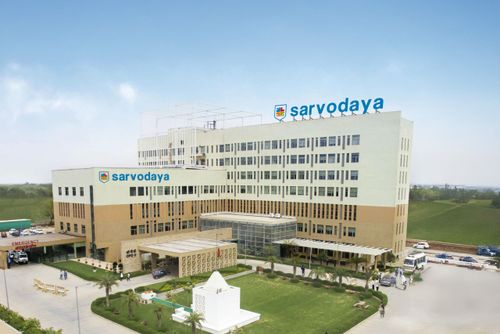
Sarvodaya Hospital’s surgical suites have laparoscopic systems with high-definition imaging. These give the surgeon a clear view of the gallbladder and nearby structures while operating through small cuts. The hospital also has modular operation theatres and systems that monitor the patient during laparoscopic surgery for gallstones.
Before the operation, ultrasound and other tests help the surgeon assess the gallbladder. If a stone has moved into a bile duct, the team can assess whether a separate endoscopic procedure is needed to remove it.
Sarvodaya Hospital also offers robotic-assisted gallbladder removal for eligible patients. It uses small cuts and gives the surgeon a magnified 3D view and greater control of the instruments. The surgeon assesses your condition and scans to decide whether this approach is suitable for you.
Post-Surgery Lifestyle Modifications
Your doctor gives you instructions for gallbladder removal recovery before you leave the hospital.
These usually cover your wounds, medicines, food, activity and follow-up:
- Start with Gentle Movement: Short walks can help you regain strength. Raise activity levels as per your doctor’s advice.
- Care for the Cuts: Keep the wounds clean and follow your doctor’s advice on dressings and bathing.
- Eat as Tolerated: Most people can return to a normal, balanced diet. Smaller meals may feel easier at first.
- Avoid Strain: Ask your surgeon when you can lift heavy objects, exercise or return to physical work.
- Take Medicines as Directed: Use prescribed pain relief and check when to restart any medicines paused for surgery.
Some people return to work within one to two weeks, depending on their recovery. Seek medical advice if pain gets worse, you catch a fever, the wounds become increasingly red or discharge pus, or your skin or eyes turn yellow.
Risks and Complications
Every operation has risks. Possible complications of laparoscopic cholecystectomy include bleeding, wound infection, blood clots, bile leakage or injury to a bile duct or nearby organ.
These problems are uncommon, but some require further gallstone treatment. Your surgeon explains the risks that apply as per your health and operation.
Why Choose Sarvodaya Hospital for Laparoscopic Cholecystectomy?
Sarvodaya Hospital offers assessment and surgical care for gallbladder conditions. Patients can access:
- Surgical Assessment: A surgeon reviews your symptoms, test results and health before recommending an operation.
- Laparoscopic Treatment: Suitable patients can have the gallbladder removed through small cuts in the abdomen.
- Individual Care Planning: The surgeon considers inflammation, previous operations and other health conditions when choosing the safest approach.
- Recovery Guidance: The care team explains wound care, activity, food and follow-up before you go home.
Patients seeking a general surgeon for gallbladder surgery can book a consultation to discuss whether laparoscopic cholecystectomy is suitable for them.