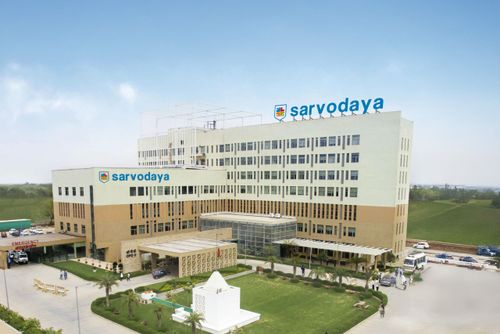

Overview
Endoscopic Ultrasound (EUS) is an advanced minimally invasive diagnostic procedure that combines endoscopy and ultrasound imaging to examine the digestive tract and surrounding organs with exceptional precision. Also known as EUS endoscopy or EUS endoscopic ultrasound, this procedure helps evaluate conditions affecting the oesophagus, stomach, intestines, pancreas, bile ducts, liver, and nearby lymph nodes.
At Sarvodaya Hospital, we perform advanced EUS procedures for conditions such as pancreatic disorders, digestive tract tumours, bile duct abnormalities, cysts, unexplained abdominal pain, and gastrointestinal cancers. Unlike routine imaging tests, EUS provides highly detailed internal images from inside the digestive tract, allowing early and accurate diagnosis. Our experienced Gastroenterologist for EUS and the Best Paediatric Gastroenterologist team offer comprehensive EUS evaluation and treatment support for both adults and children.
Why Endoscopic Ultrasound (EUS) Is Required
The EUS Test is recommended when doctors require more detailed imaging than conventional ultrasound, CT scan, or MRI can provide. We commonly perform EUS for pancreatic diseases, bile duct obstruction, gastrointestinal tumours, cysts, abnormal lymph nodes, unexplained digestive symptoms, and chronic abdominal pain.
Endoscopic ultrasound pancreas evaluation is especially useful for detecting pancreatic inflammation, pancreatic cysts, stones, and early pancreatic cancer. The procedure also allows safe tissue sampling and biopsy during the same session for accurate diagnosis and treatment planning. Our Child Gastroenterologist team also evaluates complex digestive disorders in children using specialised paediatric protocols.
EUS Procedure
At Sarvodaya Hospital, the EUS Procedure is generally performed under sedation to ensure patient comfort and safety. During the procedure, a thin flexible endoscope equipped with a miniature ultrasound probe is gently inserted through the mouth into the digestive tract.
The ultrasound probe produces highly detailed images of digestive organs and surrounding tissues from close range. If required, our specialists may perform fine needle aspiration or biopsy during the same procedure to collect tissue samples for further evaluation.
The EUS Test usually takes around 30 to 60 minutes, depending on the complexity of the examination and whether additional procedures are performed. Most patients recover after a short observation period once the sedation effects wear off.
Technology and Infrastructure
Sarvodaya Hospital offers advanced infrastructure for EUS endoscopic ultrasound using high-definition EUS systems, precision ultrasound probes, digital imaging platforms, and specialised biopsy equipment for accurate digestive disease diagnosis.
Our dedicated endoscopy suites are equipped with modern sedation monitoring systems, patient safety protocols, and specialised recovery facilities to ensure comfortable and safe procedures.
Our multidisciplinary digestive disease team includes experienced EUS Specialist Doctor, gastroenterologists, anaesthetists, radiologists, and the best paediatric gastroenterologist in Faridabad experts who work together to provide comprehensive pancreaticobiliary and gastrointestinal care.
Benefits of Endoscopic Ultrasound (EUS)
- Highly Accurate Internal Imaging: EUS provides detailed internal images of digestive organs and surrounding structures that may not be clearly visible through routine imaging tests.
- Early Detection of Pancreatic and Digestive Disorders: The procedure helps identify pancreatic diseases, tumours, cysts, bile duct abnormalities, and gastrointestinal cancers at early stages for timely treatment.
- Minimally Invasive Diagnostic Approach: EUS allows accurate diagnosis without major surgery, reducing discomfort, recovery time, and the need for invasive exploratory procedures.
- Guided Tissue Sampling and Biopsy: Doctors can safely collect tissue samples during the same procedure for accurate diagnosis of cysts, tumours, or suspicious digestive lesions.
- Useful for Adult and Paediatric Patients: Our experienced specialists and the best paediatric gastroenterologist in India provide comprehensive digestive disease evaluation for both adults and paediatric patients.
Post-Test Lifestyle Modifications
- Resume Diet Gradually: Patients should begin with light meals after the procedure once sedation effects reduce and swallowing becomes comfortable.
- Avoid Driving Immediately After Sedation: Driving or operating heavy machinery should be avoided for several hours after sedation is used during the EUS procedure.
- Maintain Adequate Hydration: Proper fluid intake supports recovery after the procedure and helps reduce throat irritation or mild digestive discomfort.
- Follow Medical Instructions Carefully: Patients should continue prescribed medications and dietary recommendations provided by the gastroenterologist after the EUS test.
- Attend Follow-up Appointments: Regular follow-up visits help doctors discuss EUS findings, biopsy results if performed, and future digestive treatment planning.
Why Choose Sarvodaya Hospital for EUS?
- Advanced EUS Technology: We use high-definition endoscopic ultrasound systems and specialised imaging platforms to provide highly accurate evaluation of digestive and pancreatic diseases.
- Experienced Gastroenterology Specialists: Our digestive disease specialists are highly experienced in performing complex EUS procedures and pancreaticobiliary evaluations safely and effectively.
- Comprehensive Paediatric Gastroenterology Support: Our paediatric gastroenterologist in Delhi provides specialised evaluation and treatment for children and adolescents with digestive diseases.
- Modern Endoscopy Infrastructure: Dedicated endoscopy suites, advanced sedation monitoring systems, and specialised recovery facilities ensure patient safety and procedural comfort.
- Integrated Digestive Disease Care: Sarvodaya Hospital provides complete diagnosis, biopsy services, treatment planning, and long-term gastrointestinal care under one roof.