Overview
Surgical Gastroenterology focuses on the surgical treatment of conditions affecting the digestive system, including the oesophagus, stomach, small intestine, large intestine, rectum, liver, gallbladder, bile ducts and pancreas. When medicines, dietary changes or endoscopic procedures are not sufficient, gastrointestinal surgery may be recommended to manage the condition and prevent further complications.
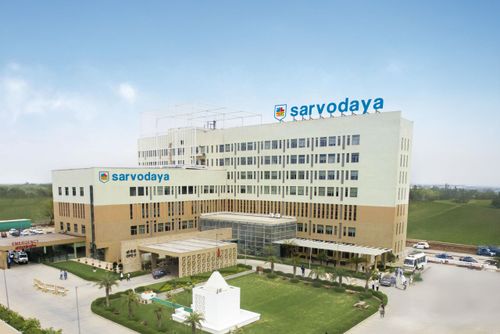
At Sarvodaya Hospital, our Gastroenterology services bring together medical specialists and GI surgeons to support the assessment and management of digestive disorders. Patients can receive an individualised treatment plan based on their symptoms, diagnosis, overall health and surgical needs. Our approach focuses on clear communication, appropriate treatment and support throughout recovery.
What Is Surgical Gastroenterology?
Surgical Gastroenterology is a specialised branch of surgery concerned with conditions of the gastrointestinal tract and related organs. A surgical gastroenterologist, also known as a gastrointestinal surgeon or GI surgeon, evaluates conditions that may require an operation.
Surgery may be planned to remove diseased tissue, treat an obstruction, manage complications, repair damaged structures or treat certain cancers. Depending on the diagnosis, the surgeon may recommend conventional open surgery, laparoscopic surgery or another minimally invasive approach.
Not every digestive problem requires an operation. Many conditions, including acidity, acid reflux and some liver disorders, can be managed with medicines, lifestyle changes or endoscopic treatment. A specialist assessment helps determine the most suitable approach.
Conditions Treated at the Surgical Gastroenterology Department
The conditions managed by a surgical gastroenterology team depend on the patient's diagnosis and the complexity of the disease. These may include:
- Gallbladder and Bile Duct Disorders : Gallstones can cause abdominal pain, inflammation and, in some cases, blockage of the bile ducts. When surgery is appropriate, gallbladder removal, also called cholecystectomy, may be recommended. Certain bile duct conditions may require endoscopic treatment or surgery, depending on their cause and severity.
- Liver and Pancreatic Conditions : Some liver and pancreatic conditions require specialist surgical assessment. These may include selected liver tumours, pancreatic cysts, pancreatic tumours and complications associated with pancreatitis. Treatment depends on the nature of the condition, its extent and the patient's overall health.
- Stomach and Intestinal Disorders : Gastrointestinal surgeons may assess intestinal obstruction, bowel perforation, complicated inflammatory bowel disease, gastrointestinal tumours and selected disorders of the stomach or small intestine. Some conditions need urgent surgery, while others can be evaluated and treated through a planned approach.
- Colorectal Conditions : Conditions affecting the colon, rectum and surrounding structures may require surgery when indicated. Examples include certain colorectal cancers, complicated diverticular disease, bowel obstruction and selected inflammatory bowel conditions.
- Hernias and Other Abdominal Conditions : Some abdominal wall hernias require surgical repair, particularly when they cause symptoms or complications. A surgeon can assess the type of hernia and advise whether observation or an operation is appropriate.
Gastrointestinal Surgery and Treatment Options
- Gallbladder surgery: Removal of the gallbladder when gallstone disease or inflammation warrants surgery.
- Intestinal surgery: Treatment of selected obstructions, perforations, diseased bowel segments or tumours.
- Colorectal surgery: Operations for certain conditions affecting the colon and rectum.
- Hepatobiliary and pancreatic surgery: Specialist procedures for selected conditions affecting the liver, gallbladder, bile ducts and pancreas.
- Surgery for gastrointestinal tumours: Removal or management of selected tumours, often with input from other specialists where needed.
- Hernia repair: Repair of abdominal wall defects when surgery is recommended.
Minimally Invasive, Laparoscopic and Robotic GI Surgery
Minimally invasive surgery uses small incisions and specialised instruments to perform selected operations. Laparoscopic surgery involves a camera and instruments inserted through small openings in the abdomen. Robotic-assisted surgery, where available and appropriate, allows a surgeon to control specialised instruments from a console.
Depending on the procedure and the patient's condition, these approaches may help reduce incision size, post-operative discomfort and hospital stay. However, they are not suitable for every patient, and recovery varies.
Open surgery may still be the safer or more appropriate option for certain complex conditions. Your surgeon will explain the recommended technique, its potential benefits, limitations and risks.
How Is a Patient Evaluated Before Gastrointestinal Surgery?
- Review of symptoms, medical history and previous operations.
- Physical examination and assessment of general health.
- Blood tests to assess factors such as blood counts, liver function and kidney function.
- Imaging tests, such as ultrasound, CT or MRI, when indicated.
- Endoscopy, colonoscopy or other specialised investigations, depending on the condition.
- Anaesthesia assessment and review of current medicines.
- Discussion of the proposed operation, expected recovery and possible complications.
Recovery and Care After Gastrointestinal Surgery
- Follow the surgeon's advice on diet, physical activity and daily routines.
- Take prescribed medicines as directed to support recovery.
- Keep the surgical wound clean and monitor for signs of infection.
- Attend follow-up appointments to assess healing and bowel function.
- Seek urgent medical attention for severe abdominal pain, persistent vomiting, fever, difficulty breathing or significant bleeding.
Why Consider Sarvodaya Hospital for Surgical Gastroenterology?
- Access to assessment and treatment for digestive, liver, gallbladder and pancreatic conditions.
- Coordinated care involving gastroenterologists and GI surgeons, where appropriate.
- Expertise in gastrointestinal surgery, hepatopancreatobiliary (HPB) surgery, pancreatic and biliary surgery, and advanced endoscopy.
- Specialist management of acute pancreatitis and other gastrointestinal diseases.
- Individualised treatment planning based on the patient's condition and clinical needs.
- Follow-up guidance to support recovery and ongoing care.