


Symptoms may include persistent fatigue, frequent infections, unexplained bruising or bleeding, pale skin, breathlessness, swollen lymph nodes, or recurrent fever. A haematology evaluation helps identify the cause accurately.
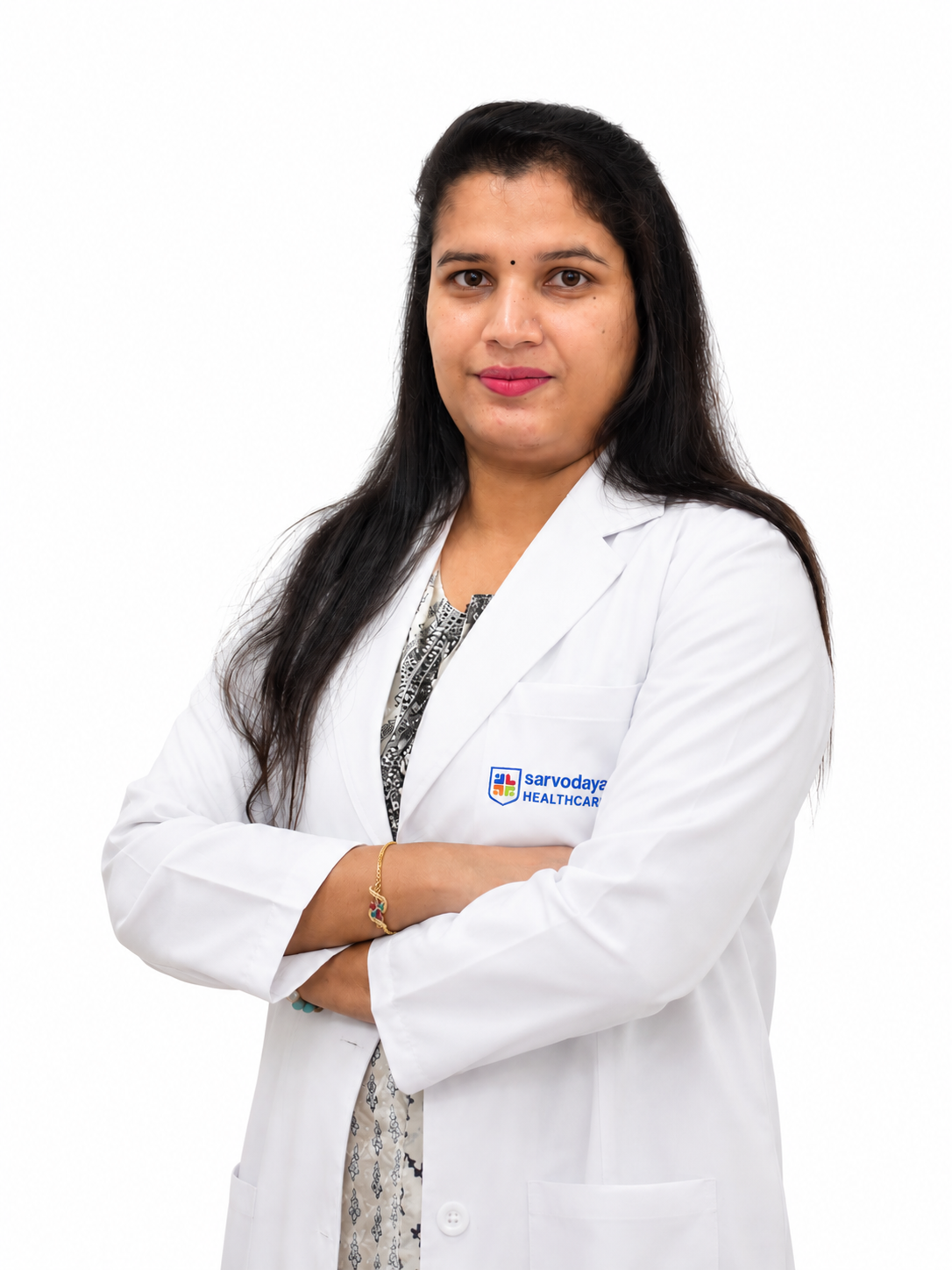
Dr. Chinmayee Agrawal
Consultant - Medical Oncology
Specialization
- Cancer Care
- Medical Oncology
- Genomic Oncology
Sarvodaya Hospital offers advanced care in haematology and bone marrow transplantation (BMT) through a team of experienced haematologists in Greater Noida. Our specialists diagnose and treat a wide range of blood disorders using evidence based medical therapies and advanced transplant protocols, ensuring safe and comprehensive care for both adults and children.
Recognised among the best haematology hospitals in Noida, Sarvodaya Hospital provides end to end services including blood disorder evaluation, chemotherapy support, bone marrow transplant planning, and long term follow up. Our multidisciplinary team, including a specialised haematologist in Noida, works closely with oncologists, intensivists, and transplant coordinators to deliver personalised treatment plans tailored to each patient’s condition.
With modern infrastructure, dedicated transplant units, and a team of expert haematologists in Delhi, Sarvodaya Hospital is a trusted destination for complex blood disorder management and bone marrow transplantation in Greater Noida and Delhi NCR.
Diseases Treated by Our Haematology and BMT Specialist in Greater Noida
At Sarvodaya Hospital, our haematology specialists manage a comprehensive range of blood related diseases that may require medical treatment or bone marrow transplantation.
Common Conditions We Treat:
- Leukemia
- Lymphoma
- Multiple myeloma
- Aplastic anemia
- Thalassemia and sickle cell disease
- Myelodysplastic syndromes
- Bone marrow failure disorders
- Severe and chronic anaemia
- Platelet and bleeding disorders
- Autoimmune blood diseases
- Blood cancers requiring BMT
- Inherited and genetic blood disorders
Procedures, Treatments and Services Offered by Hematologist in Greater Noida
At Sarvodaya Hospital, recognised as the best haematology hospital in India, our haematology and BMT team in Greater Noida provides comprehensive diagnostic, medical, and transplant services for patients with complex blood disorders. Every treatment plan is developed after detailed evaluation, advanced laboratory testing, and multidisciplinary review.
Key Procedures, Treatments and Services We Offer:
- Comprehensive evaluation of blood and bone marrow disorders
- Chemotherapy and targeted therapy for blood cancers
- Autologous and allogeneic bone marrow transplantation
- Stem cell harvesting and infusion
- Donor matching and HLA typing
- Pre transplant conditioning therapy
- Management of transplant related complications
- Advanced diagnostics including bone marrow biopsy
- Blood transfusion and supportive care services
- Infection prevention and immune monitoring
- Post transplant rehabilitation and long term follow up
Why Choose Sarvodaya Hospital for Haematology and BMT in Greater Noida
Patients searching for the best haematologists in Noida or a trusted haematology and BMT doctor in Greater Noida choose Sarvodaya Hospital for its expertise, infrastructure, and integrated care approach.
Why Patients Trust Us:
- Expert Care: Experienced Haematologists and Transplant Specialists with expertise in complex blood disorders
- Sterile Safety: Dedicated Bone Marrow Transplant Units with strict infection control.
- Precise Diagnosis: Advanced Laboratory and Diagnostic Support for accurate disease assessment.
- Collaborative Approach: Multidisciplinary Care involving haematologists, oncologists, intensivists, and transplant coordinators.
- Tailored Treatment: Personalised Treatment Planning based on disease type and patient suitability.
- Total Support: Comprehensive Support Services from diagnosis to post-transplant recovery.
- Trusted Choice: We are a Trusted Haematology Hospital in Greater Noida, known for ethical practices and patient safety.
FAQs
Who needs treatment from a haematology specialist?
Patients with anaemia, blood cancers, clotting or bleeding disorders, low platelet counts, inherited blood conditions, or abnormal blood test results should consult a haematology specialist.
What are the types of bone marrow transplant?
The main types include autologous transplant, where the patient’s own stem cells are used, and allogeneic transplant, where stem cells are taken from a matched donor.
How is a BMT donor selected?
Donors are selected based on HLA matching, usually from siblings, family members, or registered donors. Proper matching reduces the risk of transplant-related complications.
Is a bone marrow transplant painful?
The transplant process itself is not painful. Stem cell infusion is similar to a blood transfusion. Some discomfort may occur during conditioning therapy, which is managed with medical support.
What conditions are treated with BMT?
BMT is used to treat leukemia, lymphoma, multiple myeloma, aplastic anemia, thalassemia, sickle cell disease, bone marrow failure syndromes, and certain genetic blood disorders.
How long does a hospital stay last after BMT?
Hospital stay typically ranges from a few weeks to a month, depending on recovery, immune response, and any complications. Continuous monitoring is essential during this period.
What precautions are needed after BMT?
Patients need to follow strict hygiene, avoid infections, take prescribed medications, follow dietary guidelines, and attend regular follow ups to ensure safe recovery.
Our Specialities
- Medical Oncology Doctor in Greater Noida
- Surgical Oncology Doctor in Greater Noida
- Radiation Oncology Doctor in Greater Noida
- Genomic Oncology Doctor in Greater Noida
- Paediatric Oncology Doctor in Greater Noida
- Neurology Doctor in Greater Noida
- Cardiology Doctor in Greater Noida
- Orthopaedics Doctor in Greater Noida
- Rheumatology Doctor in Greater Noida
- Cancer Doctor in Greater Noida
- Robotic Joint Replacement Doctor in Greater Noida
- Nephrology Doctor in Greater Noida
- Dermatology Doctor in Greater Noida
- Urology Doctor in Greater Noida
- Pulmonology Doctor in Greater Noida
- Internal medicine Doctor in Greater Noida
- Paediatrics Doctor in Greater Noida
- Obstetrics & Gynaecology Doctor in Greater Noida
- Ophthalmology (Eye Care) Doctor in Greater Noida
- Endocrinology & Diabetes Doctor in Greater Noida
- Psychiatry Doctor in Greater Noida
- Minimally invasive surgery Doctor in Greater Noida
- Critical Care Doctor in Greater Noida
- Fetal Medicine Doctor in Greater Noida
- Dental Doctor in Greater Noida
- Gastroenterology Doctor in Greater Noida
- Spine Doctor in Greater Noida
- Physiotherapy Doctor in Greater Noida
- Neurosurgeon Doctor in Greater Noida
- Dietician Doctor in Greater Noida
- Plastic Surgeon Doctor in Greater Noida
- Paediatric Orthopaedic Doctor in Greater Noida
- Ear, Nose, Throat (ENT) Doctor in Greater Noida


