

Spinal health plays a vital role in maintaining balance, posture and overall mobility. When the spine is aligned correctly, it supports the body efficiently and allows smooth movement during everyday activities. However, when this alignment is disturbed, it can lead to visible postural changes, discomfort and long-term complications. One such condition that affects spinal alignment is scoliosis, a disorder that often develops gradually and may go unnoticed in its early stages.
In this blog, we explain the meaning of scoliosis, explore its typical causes and symptoms, and discuss how mild scoliosis can be managed effectively with early medical intervention.
Understanding Scoliosis and How It Affects the Spine
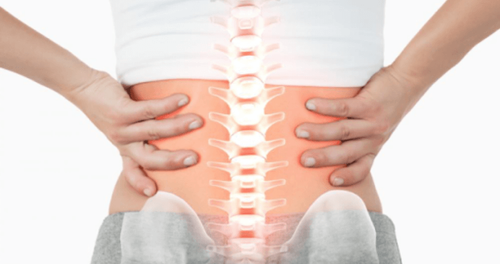
Scoliosis refers to a medical condition in which the spine curves abnormally to the side instead of remaining straight when viewed from the back. The spine naturally has gentle curves when viewed from the side, but it should appear straight when viewed from behind. In scoliosis, an abnormal sideways curve of the spine develops, often forming a C- or S-shaped pattern.
This abnormal curvature of the spine can occur at any age, although it is most commonly detected during childhood or adolescence. In some cases, adults may also develop scoliosis due to age-related degeneration of spinal structures. The severity of the condition varies, ranging from slight curves that cause minimal issues to more pronounced deformities that affect posture, movement and organ function.
Read More- Spine Surgery - Types, Benefits, Recovery & Risks
Common Scoliosis Symptoms to Watch For
The signs of scoliosis can vary depending on the severity of the condition and the age at which it develops.
Some of the most commonly observed scoliosis symptoms include the following:
- Uneven shoulders or shoulder blades
- One hip appears higher than the other.
- A visible curve of the spine when standing or bending forward
- Tilted posture or leaning to one side
- Back stiffness or muscle fatigue after prolonged activity
In adults, scoliosis symptoms may also include chronic back pain, reduced flexibility and discomfort while sitting or standing for long periods. Individuals with mild scoliosis may not experience pain initially, but monitoring remains important as symptoms can develop gradually over time.
Read More- Lower Back Pain: Causes, Treatments, and Preventive Lifestyle Tips for Lasting Relief
Causes of Scoliosis
In many individuals, scoliosis develops without a clear cause, while in others, it may be linked to underlying medical or structural factors.
The most common causes of scoliosis include the following:
- Idiopathic Scoliosis: It has no known cause and is most frequently diagnosed in children and adolescents.
- Congenital Scoliosis: Caused by abnormal spinal development before birth
- Neuromuscular Scoliosis: Associated with conditions affecting muscles or nerves, such as cerebral palsy
- Degenerative Scoliosis: Develops in adults due to wear and tear of spinal discs and joints.
While some people worry that scoliosis can appear suddenly, the condition usually develops over time. Identifying the causes of scoliosis early allows doctors to monitor progression and recommend appropriate treatment before the curvature of the spine becomes severe.
Diagnosis and Early Detection of Scoliosis
A detailed physical examination is usually the first step in the diagnostic process. Physicians examine posture, shoulder height, hip position, and the presence of a visible spinal curvature. A forward-bending test is usually performed to detect back asymmetry, which may be due to an abnormal spine curve.
Imaging tests are advisable to confirm the diagnosis and determine the severity, including:
- X-rays to determine the degree of spinal curvature
- MRI or CT scans in specific cases to assess underlying structural or neurological causes
Even individuals with mild scoliosis benefit from regular follow-ups, as spinal curves can change over time. Early detection ensures timely intervention and reduces the risk of long-term spinal complications.
Read More- Minimal Access Spinal Technologies (MAST) For Painless Spine Surgery
Treatment Options for Scoliosis
Treatment for scoliosis depends on several factors, including age, severity of the spinal curve, symptoms, and underlying causes. The primary goal of treatment is to prevent progression, relieve discomfort and maintain spinal balance.
Once the diagnosis is confirmed, doctors may recommend the following treatment approaches:
- Observation and Monitoring: Especially for mild scoliosis, where regular check-ups ensure the condition does not worsen
- Bracing: Commonly used in children and adolescents to slow the progression of the curvature of the spine during growth
- Physiotherapy and Exercise: Aimed at strengthening muscles, improving posture and reducing stiffness
- Surgical Intervention: Advised in severe cases where spinal curvature affects function or quality of life
Consulting the best spine surgeon in Faridabad ensures expert care and evidence-based treatment tailored to each patient’s condition.
Living With Scoliosis and Long-Term Care
While scoliosis cannot always be prevented, adopting healthy habits can help manage symptoms and maintain spinal flexibility, particularly in mild scoliosis cases.
Long-term care strategies that support spinal health include the following:
- Maintaining correct posture during sitting, standing and sleeping
- Engaging in doctor-recommended exercises to strengthen core and back muscles
- Avoiding prolonged strain on the spine during daily activities
- Attending regular follow-ups to monitor the curve of the spine
For individuals experiencing scoliosis symptoms, consistent care helps minimise discomfort and reduces the likelihood of progression. Early medical attention from the best spine surgeon in Noida and adherence to treatment plans play a vital role in protecting mobility and overall quality of life.
Conclusion
Scoliosis is a complex spinal condition that affects alignment, posture and long-term physical wellbeing.
As a trusted spine Hospital in Delhi NCR, Sarvodaya Hospital, Faridabad, offers personalised treatment plans, access to leading spine experts, and preventive consultations that help detect spinal issues early. Seeking care from the best spine surgeon in Delhi NCR at the right stage can significantly improve outcomes and reduce the need for invasive procedures.
Take the first step towards better spine care and book an appointment now to receive expert guidance, an accurate diagnosis and a tailored treatment plan designed to support long-term wellbeing.