
Overview
Urological cancer refers to malignancies that develop in the urinary tract and male reproductive organs, including the bladder, kidneys, prostate, and testicles. These cancers are more commonly seen in older men but can affect individuals of any age.
The symptoms vary depending on the affected organ, common urinary bladder cancer symptoms include blood in urine, frequent urination, pelvic pain, and discomfort during urination. Advanced cases may present with bone pain or fatigue.
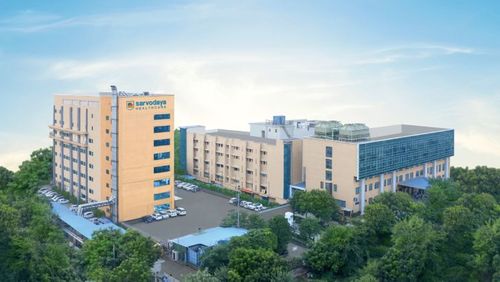
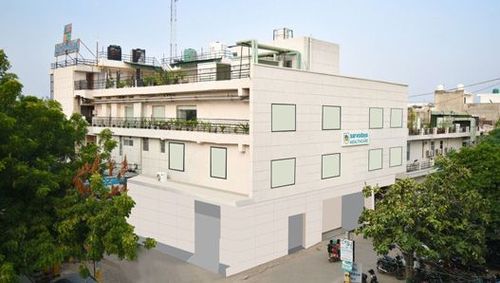
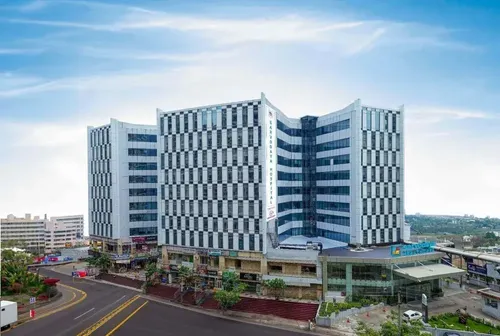
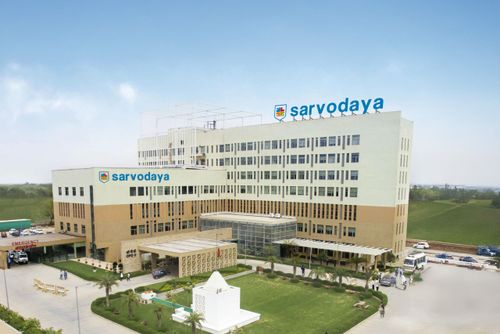
At Sarvodaya Hospital, our experts in urology oncology provide comprehensive evaluation using advanced imaging and diagnostic tools like MRI, PET-CT, ultrasound, and biopsy. As a leading centre for precision cancer care, we combine surgical expertise, targeted therapies, and personalised treatment planning to ensure the best possible outcomes for every patient.
Types and Symptoms of Urological Cancers
Urological cancers arise in different parts of the urinary and reproductive systems, each presenting unique challenges and symptoms. Early detection and timely intervention are critical to preventing complications and improving survival outcomes.
The most common types include:
- Bladder Cancer: Often presents with visible blood in urine, painful urination, or frequent urges, classic bladder cancer symptoms that should not be ignored.
- Kidney Cancer: Characterised by flank pain, unexplained weight loss, or a lump in the abdomen.
- Prostate Cancer: May cause difficulty in urination, pelvic pressure, or erectile dysfunction, often requiring early screening in men above 50.
- Testicular Cancer:Detected as a painless lump or swelling in the testicle, more common in younger men.
Diagnostic and Treatment Approach
At Sarvodaya Hospital, every patient suspected of urological cancer undergoes a detailed evaluation to identify the cancer type, stage, and extent of spread.
The process begins with a thorough clinical assessment, supported by advanced imaging techniques such as ultrasound, MRI, PET-CT scan, and endoscopy. In select cases, biopsy and molecular testing help confirm the diagnosis and guide treatment planning.
Treatment options are personalised based on the cancer site and stage. These may include:
- Robotic Surgery: Performed using advanced robotic systems like the AI Powered Smart Surgical Robot, this minimally invasive technique allows surgeons to remove affected tissues or organs with sub-millimetre precision.
- Chemotherapy and Radiation Therapy: To destroy cancer cells and prevent recurrence.
- Targeted and Immunotherapy: Advanced therapies designed to attack specific cancer cell mechanisms.
- Reconstructive Procedures: To restore urinary or reproductive function after tumour removal.
Recognised as a trusted oncology hospital in Delhi, Sarvodaya Hospital combines cutting-edge technology with compassionate care to deliver the best possible outcomes.
Post-Treatment Lifestyle Modifications
Successful management of urological cancers extends beyond treatment; it requires ongoing care and lifestyle adaptations.
Post-Treatment Care Includes:
- Healthy Diet: A balanced diet rich in fruits, vegetables, and lean proteins helps boost immunity and recovery.
- Hydration and Urinary Care: Staying hydrated supports kidney and bladder health after bladder cancer treatment.
- Regular Exercise: Light physical activity promotes circulation and overall well-being.
- Avoid Tobacco and Alcohol: These substances increase recurrence risk and should be completely avoided.
- Routine Follow-ups: Regular screenings with your oncologist in Delhi NCR help monitor for early signs of recurrence.
- Emotional Well-being:Support groups and counselling can help patients and families adjust after treatment.