
Overview
Retrograde Intrarenal Surgery (RIRS) is an advanced, minimally invasive procedure used to remove kidney stones without making any external cuts or incisions. During RIRS Surgery, a flexible ureteroscope is passed through the natural urinary passage to reach the kidney, where laser technology is used to break stones into tiny fragments for easy removal or natural passage.
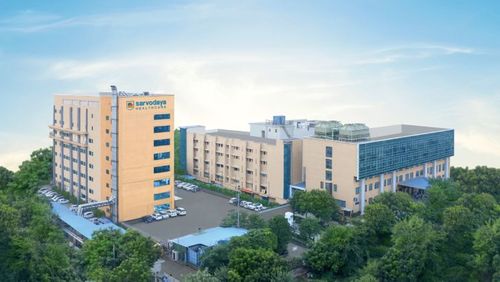
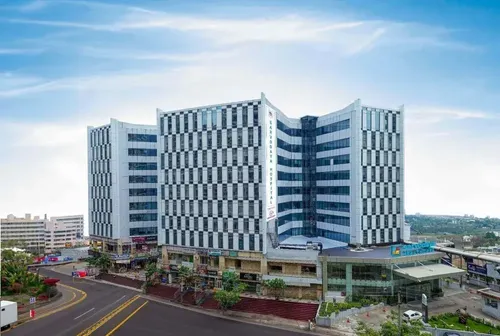
At Sarvodaya Hospital, we offer RIRS for Kidney Stones as an effective treatment for patients with small, large, complex, or multiple kidney stones. As a leading centre for Advanced Kidney Stone Treatment, our experienced urologists utilise state-of-the-art laser technology and minimally invasive techniques to provide safe treatment, faster recovery, and excellent outcomes. Our comprehensive stone care programme includes diagnosis, treatment, prevention, and long-term follow-up under one roof.
Why Is RIRS Surgery Required?
RIRS is recommended when kidney stones are too large to pass naturally or when they cause severe pain, urinary obstruction, recurrent infections, bleeding, or kidney damage. It is particularly beneficial for patients who may not be suitable candidates for conventional stone surgery.
At Sarvodaya Hospital, we commonly recommend Laser Kidney Stone Surgery for kidney stones located within the kidney, recurrent stone disease, multiple stones, difficult-to-access stones, and patients requiring minimally invasive treatment. The procedure helps remove stones effectively while preserving normal kidney function and minimising discomfort.
Early treatment prevents complications such as urinary tract infections, kidney swelling, reduced kidney function, and recurrent stone-related emergencies.
Conditions Treated with RIRS
RIRS may be recommended for:
- Kidney stones of varying sizes
- Multiple kidney stones
- Recurrent kidney stone disease
- Hard kidney stones resistant to other treatments
- Stones in difficult kidney locations
- Kidney stones causing urinary blockage
- Kidney stones associated with recurrent infections
- Residual stones after previous stone treatment
- Patients requiring minimally invasive kidney stone removal
RIRS Surgery Procedure
At Sarvodaya Hospital, the procedure begins with a detailed evaluation, including an ultrasound, CT scan, urine tests, and kidney function assessment to determine the size, number, and location of kidney stones.
During Retrograde Intrarenal Surgery (RIRS), a flexible ureteroscope is passed through the urethra, bladder, and ureter into the kidney without any external incision. Once the stone is identified, a high-powered laser is used to break it into very small fragments.
These fragments are either removed during the procedure or allowed to pass naturally through urine. In some cases, a temporary ureteral stent may be placed to facilitate drainage and healing. The procedure is performed under anaesthesia and typically requires a short hospital stay.
Technology and Infrastructure
Sarvodaya Hospital offers advanced infrastructure for RIRS Surgery supported by high-definition flexible ureteroscopes, holmium laser and thulium fibre laser systems, digital stone imaging technology, high-resolution endoscopic cameras, and specialised stone retrieval devices.
Our dedicated urology suites are equipped with advanced anaesthesia monitoring systems, real-time fluoroscopy guidance, modern endourology workstations, and specialised recovery facilities. Our multidisciplinary stone care team includes experienced urologists, anaesthetists, radiologists, nephrologists, and critical care specialists to ensure comprehensive kidney stone treatment and patient safety.
Benefits of Minimally Invasive RIRS Surgery
- No External Incisions: RIRS is performed through the natural urinary tract, eliminating the need for cuts or surgical wounds.
- High Precision Stone Removal: Advanced laser technology allows accurate fragmentation and removal of kidney stones with minimal damage to surrounding tissue.
- Faster Recovery: Patients typically experience less pain, shorter hospital stays, and quicker return to daily activities.
- Effective for Multiple Stones: The procedure can treat multiple stones in different areas of the kidney during a single session.
- Reduced Risk of Complications: The minimally invasive approach lowers the risk of bleeding, infection, and post-operative discomfort.
- Preservation of Kidney Function: RIRS removes stones while protecting healthy kidney tissue and maintaining normal kidney function.
Recovery Timeline after RIRS
- First 24 Hours: Patients are monitored after the procedure and encouraged to maintain adequate hydration.
- Within 2–3 Days: Most patients resume light activities and experience gradual improvement in urinary symptoms.
- Within One Week: Minor discomfort usually resolves, and patients can return to most normal activities.
- Follow-Up Evaluation: Imaging studies may be performed to confirm complete stone clearance and assess recovery.
Post-Treatment Lifestyle Modifications
- Stay Well Hydrated: Drink adequate water daily to reduce the risk of future kidney stone formation and support urinary health.
- Follow Dietary Recommendations: Limit excessive salt intake and follow dietary advice based on the type of kidney stone diagnosed.
- Take Prescribed Medications: Continue all medications as advised to support recovery and reduce the risk of stone recurrence.
- Maintain Regular Follow-Up Visits: Routine urology consultations help monitor kidney health and detect recurrent stones early.
- Adopt a Healthy Lifestyle: Regular exercise, weight management, and balanced nutrition support long-term kidney stone prevention.
Why Choose Sarvodaya Hospital for RIRS Surgery?
- Experienced Urology Specialists: Our team includes highly experienced urologists with expertise in advanced endourology and kidney stone treatment.
- Advanced Laser Stone Technology: We use modern holmium and thulium laser systems for precise and effective stone fragmentation.
- Comprehensive Kidney Stone Care: We provide diagnosis, minimally invasive treatment, prevention strategies, and long-term follow-up under one roof.
- State-of-the-Art Urology Infrastructure: Advanced endoscopy suites, imaging technology, and specialised stone management facilities support optimal patient outcomes.
- Multidisciplinary Treatment Approach: Urologists, nephrologists, radiologists, and anaesthetists collaborate to provide personalised stone treatment plans.
- Trusted Urology Hospital in Delhi NCR: Sarvodaya Hospital is recognised as a leading centre for advanced kidney stone treatment and minimally invasive urological procedures.