
Overview
Endoscopic Retrograde Cholangiopancreatography (ERCP) is an advanced minimally invasive procedure used to diagnose and treat disorders affecting the bile ducts, gallbladder, pancreas, and pancreatic ducts. Commonly known by the ERCP medical abbreviation, this procedure combines endoscopy and fluoroscopic imaging to provide a detailed evaluation and treatment of pancreaticobiliary conditions.
At Sarvodaya Hospital, we perform advanced ERCP procedures for conditions such as bile duct stones, bile duct blockage, jaundice, pancreatitis, pancreatic duct abnormalities, strictures, bile leaks, and pancreaticobiliary tumours.
Unlike conventional surgery, ERCP allows both diagnosis and treatment during the same procedure, reducing the need for open surgery and prolonged hospital stay. Our experienced gastroenterologists and Best Paediatric Gastroenterologist team provide comprehensive pancreatic and biliary care using advanced endoscopic systems and high-definition imaging technology.
Why ERCP Is Required?
ERCP is recommended when conditions affecting the bile ducts or pancreatic ducts cannot be effectively diagnosed or treated through medication, ultrasound, CT scan, or MRI alone. We commonly perform ERCP surgery for bile duct stones, recurrent pancreatitis, obstructive jaundice, pancreatic duct blockage, bile leakage, biliary strictures, infections, and pancreaticobiliary tumours.
At Sarvodaya Hospital, our specialists perfrom the ERCP procedure to directly visualise the ductal system and perform treatments such as stone removal, stent placement, duct widening, or tissue biopsy during the same procedure. Early intervention by our gastroenterology team helps prevent complications, reduce pain, improve digestion, and restore normal bile and pancreatic drainage.
ERCP Procedure
At Sarvodaya Hospital, the ERCP procedure steps begin with clinical evaluation, blood tests, and imaging studies to assess the condition of the pancreatic and biliary ducts. Patients are usually advised to fast before the procedure.
During the ERCP test, a flexible endoscope is passed gently through the mouth into the stomach and small intestine until it reaches the opening of the bile and pancreatic ducts. Contrast dye is injected into the ducts, and fluoroscopic imaging is used to identify stones, strictures, blockages, or abnormalities.
If required, our specialists may immediately perform therapeutic procedures such as bile duct stone removal, stent placement, drainage of blocked ducts, widening of narrowed ducts, or biopsy collection. The procedure usually takes 30 to 90 minutes, depending on complexity and is performed under sedation or anaesthesia for patient comfort.
Technology and Infrastructure
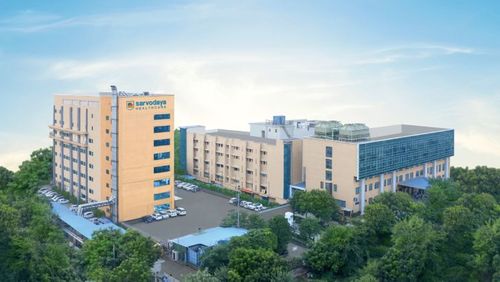
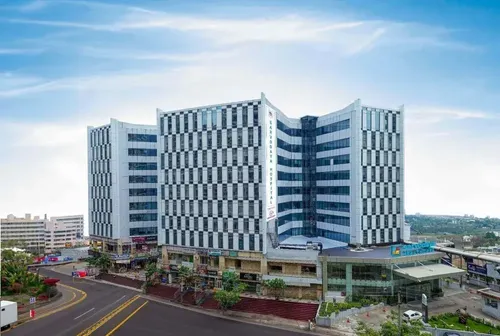
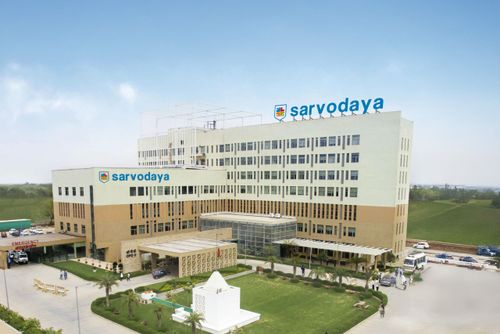
Sarvodaya Hospital offers advanced infrastructure for ERCP operation and pancreaticobiliary procedures using high-definition therapeutic endoscopy systems, fluoroscopic imaging technology, and specialised ERCP accessories for accurate diagnosis and treatment.
Our dedicated endoscopy suites are equipped with advanced anaesthesia monitoring systems, real-time imaging support, and emergency care facilities to ensure patient safety throughout the procedure.
Our multidisciplinary digestive disease team includes experienced gastroenterologists, surgeons, anaesthetists, radiologists, critical care experts, and pediatric gastroenterologists in Faridabad specialists who work together to provide comprehensive care for both adult and paediatric patients.
Benefits of ERCP
- Minimally Invasive Diagnosis and Treatment: The ERCP procedure allows diagnosis and treatment of pancreatic and biliary disorders without major open surgery, resulting in reduced pain and faster recovery.
- Simultaneous Treatment Capability : Conditions such as bile duct stones, strictures, or pancreatic duct blockage can often be treated immediately during the same ERCP session.
- Faster Recovery : Compared to conventional surgery, ERCP generally involves shorter hospital stay, reduced discomfort, and quicker return to daily activities.
- Accurate Ductal Imaging: The procedure provides detailed imaging of bile and pancreatic ducts, helping doctors diagnose abnormalities and plan effective treatment accurately.
- Reduced Need for Open Surgery: Many patients avoid open surgical procedures because ERCP effectively manages ductal disorders using advanced endoscopic techniques.
- Advanced Care for Children and Adults : Many patients avoid open surgical procedures because ERCP effectively manages ductal disorders using advanced endoscopic techniques.
Post-Treatment Lifestyle Modifications
- Follow Dietary Instructions: Patients should begin with light meals and gradually return to a regular diet as advised to support digestion and recovery after the ERCP procedure.
- Maintain Adequate Hydration: Adequate fluid intake helps improve digestion, prevent dehydration, and support faster recovery after pancreatic or biliary treatment.
- Avoid Alcohol and Smoking: Alcohol and smoking should be avoided because they may worsen pancreatic and liver conditions and increase the risk of future complications.
- Take Medications as Prescribed: Patients should continue antibiotics, digestive medications, or other prescribed treatment exactly as advised by the gastroenterologist after the ERCP procedure.
- Monitor Symptoms Carefully: Immediate medical attention is required if fever, severe abdominal pain, vomiting, bleeding, or jaundice develops after the ERCP operation.
- Attend Regular Follow-up Visits: Routine follow-up visits help monitor recovery, assess stent function if placed, and evaluate long-term pancreaticobiliary health after treatment.
Why Choose Sarvodaya Hospital for ERCP?
- Experienced Gastroenterology Specialists: Our team includes highly experienced gastroenterologists and pancreaticobiliary specialists skilled in advanced ERCP procedures and complex digestive care.
- Advanced Endoscopy Infrastructure: We use high-definition endoscopy systems, fluoroscopic imaging, and specialised ERCP accessories for precise diagnosis and minimally invasive treatment.
- Comprehensive Pancreatic and Biliary Care: We provide integrated treatment for bile duct, pancreatic, liver, and gallbladder disorders under one roof with multidisciplinary expertise.
- Dedicated Paediatric Gastroenterology Support: Our Best Paediatric Gastroenterology team offers specialised diagnosis and treatment for pancreaticobiliary conditions affecting children and adolescents.
- Modern Patient Safety Protocols: Advanced monitoring systems, anaesthesia support, and dedicated recovery facilities help ensure safe and comfortable ERCP procedures.
- Trusted Gastrointestinal Care Centre: Sarvodaya Hospital is recognised for advanced gastrointestinal treatment, modern infrastructure, and patient-focused pancreaticobiliary care.