
Overview
Alcoholic Liver Disease develops when long-term alcohol use damages liver cells, leading to inflammation, scarring and reduced liver function. It progresses gradually and may start as fatty liver disease, later advancing to more serious stages if not treated on time. Early care helps protect the liver, manage symptoms and prevent long-term complications.
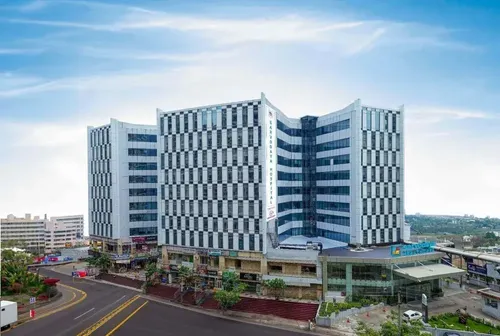
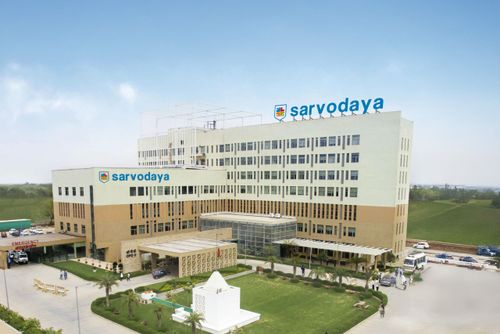
At Sarvodaya Hospital, our expert team offers comprehensive alcoholic liver disease treatment using advanced diagnostics, structured care plans and personalised guidance. With specialists recognised among the best gastroenterologists in Delhi NCR and support from a leading gastroenterology hospital, we help patients recover safely and rebuild their health with confidence.
Symptoms of Alcoholic Liver Disease
- Persistent fatigue or weakness
- Loss of appetite or unintentional weight loss
- Abdominal pain or discomfort
- Bloating or swollen abdomen (ascites)
- Jaundice or yellowing of the skin and eyes
- Swelling in legs or feet
- Nausea, vomiting or digestive disturbances
- Easy bruising or bleeding
- Dark urine or pale stools
- Confusion or difficulty concentrating
Causes of Alcoholic Liver Disease
- Long-term excessive alcohol consumption
- Frequent binge drinking episodes
- Inability of the liver to process high alcohol levels
- Chronic inflammation caused by alcohol toxicity
- Poor nutrition associated with alcohol dependence
- Genetic susceptibility to liver damage
- Co-existing fatty liver disease
- Weak immune response or repeated infections
- Prior episodes of liver inflammation
- Hormonal or metabolic disturbances
Diagnosis of Alcoholic Liver Disease
Accurate diagnosis helps identify the stage of liver damage and guides early intervention. At Sarvodaya Hospital, a leading gastroenterology hospital, we use advanced imaging and laboratory tests to assess liver inflammation, scarring and overall function.
- Liver Function Tests: A group of blood tests that measure enzyme levels, bilirubin and proteins to evaluate inflammation, liver efficiency and early signs of Alcoholic Liver Disease progression.
- Ultrasound Abdomen: A quick, non-invasive test showing liver size, fat buildup and tissue texture, helping identify inflammation, fibrosis or structural abnormalities related to long-term alcohol exposure.
- Fibroscan or Elastography: An advanced technique that measures liver stiffness to determine scarring levels, providing crucial insights into fibrosis or cirrhosis without requiring invasive procedures.
- Complete Blood Count: Evaluates blood cell levels to detect anaemia, infection risk or clotting issues commonly seen in moderate or advanced stages of Alcoholic Liver Disease.
- CT or MRI Scan: High-resolution imaging that reveals liver shape, texture changes and complications, offering detailed internal views for accurate treatment planning.
- Nutritional and Metabolic Evaluation: Assesses vitamin deficiencies, metabolic imbalance and nutritional status, helping guide personalised recovery and diet planning for better liver health.
Treatment of Alcoholic Liver Disease
- Alcohol Withdrawal & Medical Detox: Guided detoxification under medical supervision ensures safe withdrawal from alcohol, prevents complications and supports stabilisation as the liver begins to recover from long-term damage.
- Medication-Based Treatment: Targeted medicines help reduce inflammation, manage symptoms and support enzyme stabilisation while protecting remaining healthy liver tissue from additional stress.
- Nutritional Therapy & Supplements: Specialised diets and supplements correct vitamin deficiencies, improve digestion and strengthen liver metabolism, promoting gradual but consistent healing.
- Management of Complications: Treatment plans address fluid buildup, infections, fatigue and jaundice using coordinated care from hepatology, gastroenterology and critical care teams.
- Minimally Invasive Procedures: Procedures such as paracentesis help safely remove abdominal fluid in advanced cases, reducing discomfort and improving breathing and mobility.
- Continuous Monitoring: Regular follow-ups, blood tests and imaging help track progress, adjust treatment plans and ensure stable, long-term liver function improvement.
Prevention & Lifestyle Modification
While Alcoholic Liver Disease cannot always be prevented, healthy lifestyle choices and early medical guidance help reduce risk and protect long-term liver health.
- Limit Alcohol Consumption: Reducing or stopping alcohol intake protects liver cells, reduces inflammation and helps prevent early-stage fatty liver from progressing into Alcoholic Liver Disease.
- Balanced, Nutritious Diet: Eating fresh fruits, vegetables, whole grains and lean proteins supports liver repair, boosts immunity and stabilises metabolism.
- Stay Hydrated: Adequate water intake supports detoxification, reduces inflammation and helps the liver perform essential functions without additional stress.
- Regular Physical Activity: Light to moderate exercise supports healthy metabolism, reduces fat accumulation and improves overall liver function.
- Manage Stress Effectively: Meditation, breathing exercises and supportive counselling help reduce emotional triggers that contribute to unhealthy drinking habits.
- Routine Health Check-Ups: Periodic liver tests help detect early inflammation, ensuring timely treatment before symptoms progress.
Pre & Post Treatment Modifications
Pre-Treatment Modifications:
- Complete Alcohol Abstinence: Stopping alcohol intake entirely prevents further liver injury, reduces inflammation and prepares the body for safer treatment outcomes.
- Nutritious Meal Planning: Begin a balanced, nutrient rich diet to support metabolism, improve immunity and enhance liver function before surgery or treatment.
- Adequate Sleep and Rest: Maintain consistent sleep routines to reduce fatigue, stabilise hormones and support natural liver repair.
- Gentle Daily Movement: Engage in light physical activity like walking to improve circulation and maintain strength without stressing the liver.
- Baseline Monitoring: Track symptoms such as swelling, jaundice or appetite changes to help identify progression and guide timely medical decisions.
- Medication Review: Inform your doctor about all ongoing medicines and supplements to avoid harmful interactions.
Post Treatment Modifications:
- Continued Alcohol Abstinence: Avoid alcohol completely to protect liver cells, prevent complications and support long term recovery.
- Balanced Nutrition: Follow a liver friendly diet rich in antioxidants, lean proteins and whole foods to aid healing and improve energy levels.
- Hydration and Rest: Maintain adequate fluid intake and ensure regular rest to help the body recover and stabilise.
- Light Physical Activity: Continue gentle exercises under medical guidance to regain strength and support overall wellbeing.
- Symptom Monitoring: Stay alert to signs like fatigue, swelling or yellowing of the eyes for early detection of complications.
- Strict Follow Up Compliance: Attend all scheduled visits and tests to track progress and adjust treatment plans for sustained liver improvement.